Pentagon Chief Issues Stark Warning to Cuba Amid Escalating Tensions
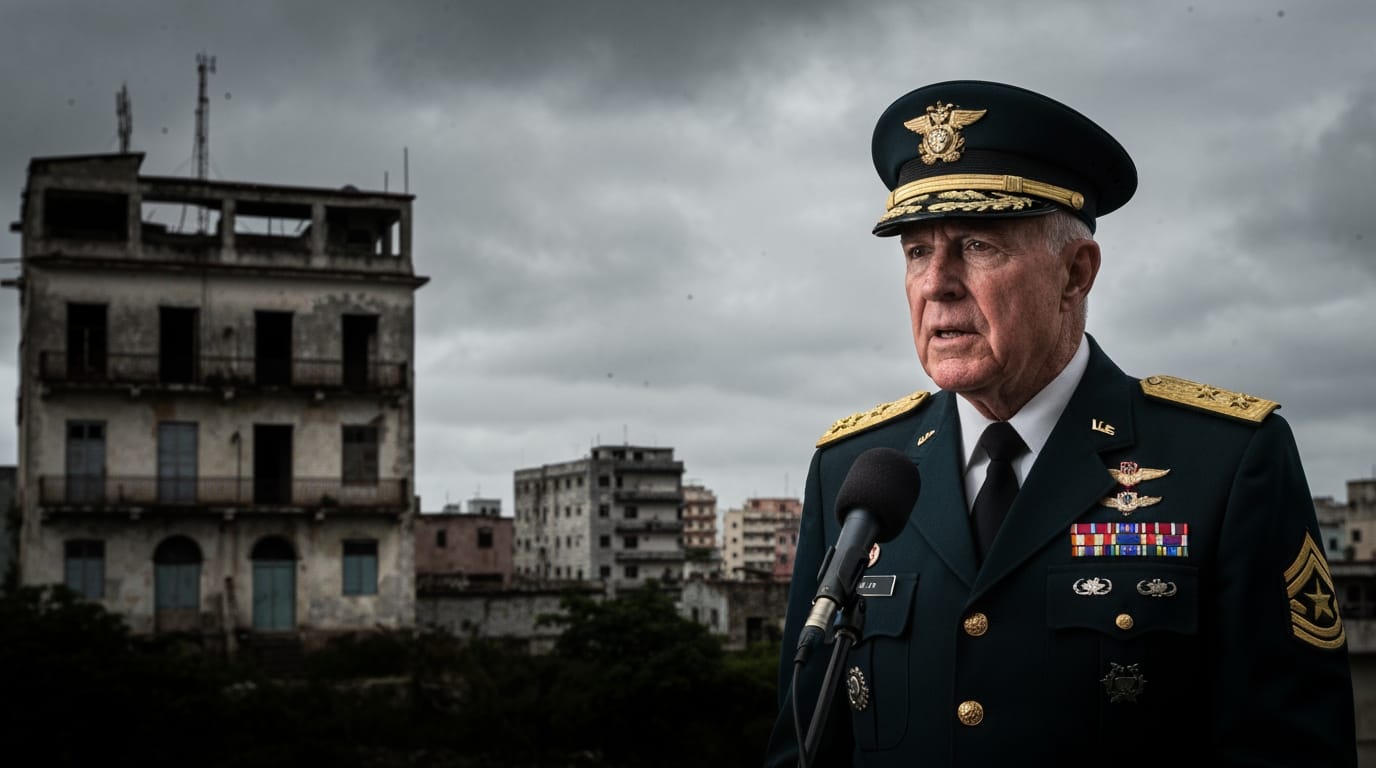
GUANTANAMO BAY, CUBA – The U.S. Defense Secretary Pete Hegseth delivered a stern warning from the U.S. Naval Station Guantanamo Bay on Wednesday, cautioning Cuba against acquiring weaponry that could pose a threat to American interests. His remarks underscore a significant escalation in rhetoric amidst sustained U.S. pressure on the communist-led island, including an ongoing, stringent oil blockade. The warning follows intelligence reports suggesting Cuba has acquired military drones and is exploring their use against U.S. assets.
Secretary Hegseth, addressing U.S. troops at the strategic base, stated that any attempt by Havana to procure or gain access to weapons capable of reaching Guantanamo Bay or the American homeland would be profoundly "unwise" and could invite a confrontation that Cuba "could not stand." This visit, Hegseth’s second as Pentagon chief, is part of a broader series of high-level U.S. official visits to the region, signaling Washington’s heightened focus on Cuban affairs.
U.S. Concerns Over Cuban Military Acquisitions
The Pentagon's warning stems from recent intelligence assessments, notably a report by U.S. media outlet Axios, which alleged that Cuba has acquired over 300 military drones from Russia and Iran since 2023 and is actively seeking more. The report further indicated discussions within Cuba regarding the potential use of these unmanned aerial vehicles to target the Guantanamo Bay base, U.S. military vessels, and possibly even the state of Florida. These alleged acquisitions and strategic considerations form the immediate backdrop for Secretary Hegseth's pointed remarks. While the Pentagon did not provide specific details on the intelligence, the seriousness of the warning suggests a notable shift in the U.S. assessment of Cuba's military capabilities and intentions.
The Enduring Shadow of the Blockade
Hegseth’s warning arrives as Cuba grapples with intensified U.S. sanctions and what officials describe as a "crippling oil blockade." This economic pressure campaign, a cornerstone of U.S. foreign policy toward Cuba for decades, has been significantly ramped up in recent years. The current U.S. administration has repeatedly signaled its intent to apply maximum pressure, with President Donald Trump indicating that the Cuban government could face a similar fate to Venezuela under U.S. diplomatic and economic pressure. The embargo restricts Cuba's access to vital goods, including fuel, exacerbating economic hardships for the island nation and contributing to widespread shortages and blackouts. Havana has consistently condemned these measures as illegal and an act of economic warfare, directly impacting the well-being of its civilian population.
Geopolitical Chessboard and Regional Stability
The escalating tensions around Cuba are not occurring in isolation but are intertwined with broader geopolitical dynamics. The alleged acquisition of drones from Russia and Iran highlights the increasing convergence of interests between these nations and Cuba, creating a complex web of alliances that concern U.S. policymakers. Russia and Iran, both facing their own sets of U.S. sanctions, have found common ground with Cuba, potentially complicating regional stability and challenging U.S. influence in the Western Hemisphere. The presence of sophisticated weaponry, such as military drones, in Cuba could alter the regional power balance and necessitate a re-evaluation of defense strategies in the Caribbean. Furthermore, the warning from Guantanamo Bay, a strategically vital U.S. outpost, underscores the perceived direct threat to American security interests.
Havana's Rebuttal and Future Outlook
In response to the U.S. allegations and warning, Cuban Foreign Minister Bruno Rodriguez vehemently denied the reports, accusing the United States of baselessly fabricating pretexts for future military actions. This strong rebuttal underscores the deep mistrust and adversarial relationship that continues to define U.S.-Cuba relations. Havana views the U.S. pressure campaign, including the latest military warning, as an aggressive maneuver aimed at regime change, rather than genuine security concerns.
Secretary Hegseth's itinerary also includes a visit to U.S. Central Command (CENTCOM) headquarters in Tampa, Florida, emphasizing the interconnectedness of global security challenges and Washington's comprehensive approach to perceived threats. The current situation suggests that relations between the United States and Cuba remain volatile. The persistent economic blockade, coupled with the latest military warning and Cuba's defiant stance, points to an uncertain future for the region. The potential for miscalculation or unintended escalation remains a significant concern as both nations continue to navigate a complex and fraught diplomatic landscape. The trajectory of this strained relationship will heavily depend on future actions and responses from both Washington and Havana.


