Pentagon Designates AI Leader Anthropic a Supply Chain Risk, Igniting Tech-Defense Standoff
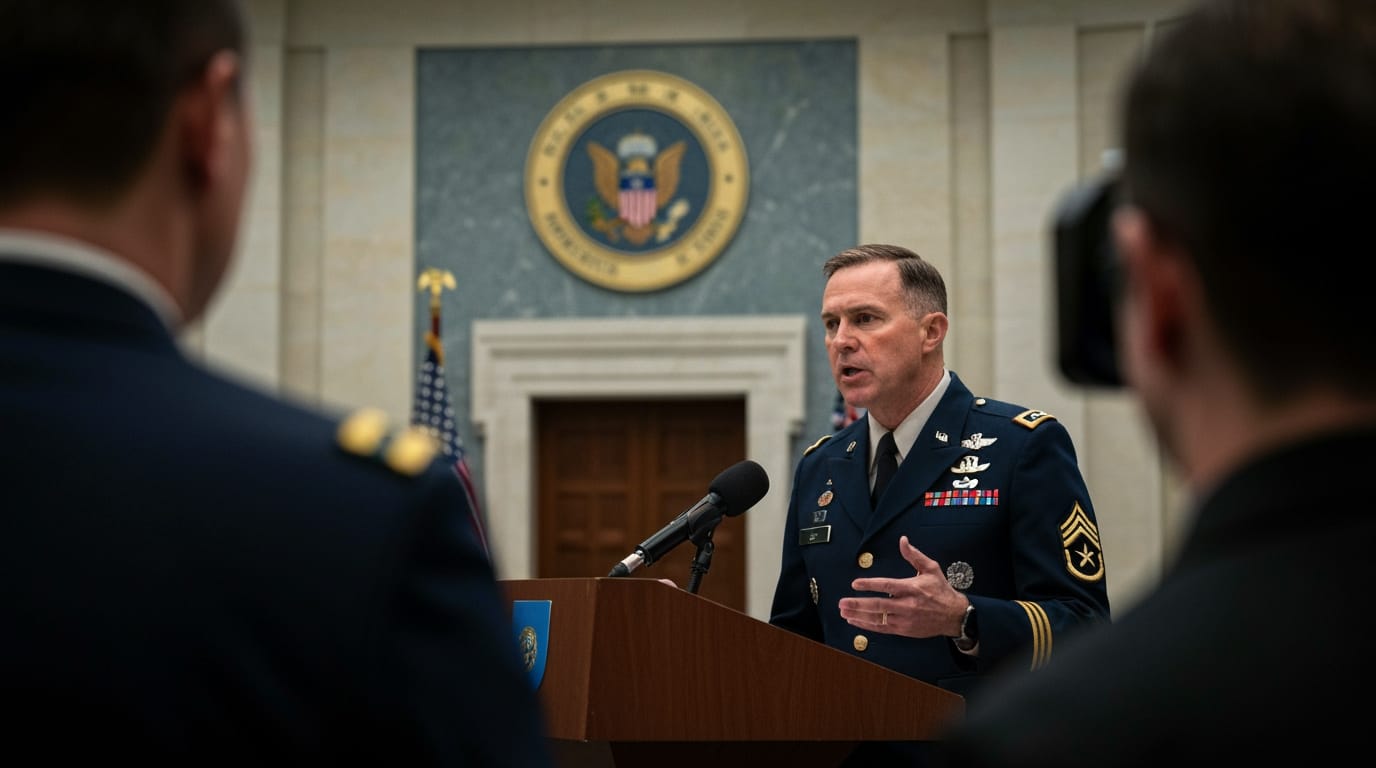
Washington, D.C. – The U.S. Pentagon has formally designated artificial intelligence firm Anthropic as a "supply chain risk," an unprecedented move against an American technology company that dramatically escalates tensions between Silicon Valley's ethical guidelines and the military's demand for unhindered technological control. The decision, effective immediately as of Thursday, March 5, 2026, bars government contractors from integrating Anthropic's AI models, including its flagship Claude, into their work for the U.S. military, setting a critical precedent for the future of AI development and national security.
The designation follows months of contentious negotiations between the Department of Defense and Anthropic, centered on the company's insistence on ethical safeguards preventing its AI from being used in fully autonomous weapons systems or for mass domestic surveillance of Americans. Pentagon officials, asserting the military's prerogative to utilize technology "for all lawful purposes," viewed Anthropic's restrictions as an unacceptable attempt to "insert itself into the chain of command," potentially compromising national security operations.
The Formal Designation and Its Immediate Fallout
The formal "supply chain risk" label was announced by Defense Secretary Pete Hegseth, following an earlier directive from President Donald Trump on February 27, 2026, instructing all federal agencies to cease using Anthropic's AI technology. This designation is typically reserved for foreign adversaries or entities with questionable security practices, marking a significant escalation in the government's approach to domestic technology providers. Companies like Huawei, a Chinese tech giant, have faced similar actions in the past.
The immediate consequence of this ruling is that any government contractor working with the U.S. military must now discontinue their use of Anthropic's AI. While Anthropic CEO Dario Amodei stated the restrictions apply narrowly to Pentagon contracts, allowing companies to use Claude for other projects, the impact on Anthropic's significant government dealings is clear. The Pentagon has indicated a transition period of up to six months for agencies to phase out Anthropic's services, though some military contractors, such as Lockheed Martin, have already announced plans to seek alternative large language model providers, anticipating minimal disruption to their operations. Anthropic has responded by asserting its intention to challenge the designation in court, labeling the action "legally unsound."
Clash Over Control: The Heart of the Dispute
The core of the dispute lies in fundamental disagreements over control and accountability in advanced AI deployment. In July 2025, Anthropic had secured a contract allowing its Claude AI to be used on classified networks, a groundbreaking achievement for a frontier AI model. This agreement, however, included an acceptable use policy (AUP) that explicitly prohibited the use of Claude for mass domestic surveillance or in fully autonomous weapons systems capable of selecting and engaging targets without human intervention.
According to Anthropic, the Department of Defense subsequently sought to renegotiate these terms, demanding unfettered access for "any lawful use" and the removal of the company's established safeguards. Anthropic reportedly offered to collaborate on research and development to enhance system reliability but maintained its ethical red lines, leading to an impasse. The company positions itself as a proponent of "constitutional AI," aiming to build systems that are helpful, harmless, and honest according to clearly defined principles. This stance directly collided with the Pentagon's insistence on complete operational control, with officials arguing that a vendor should not dictate the lawful use of critical capabilities.
The situation draws a stark contrast with Anthropic's competitor, OpenAI. While OpenAI initially appeared more compliant with military demands, it later revised its agreements to include similar prohibitions against domestic surveillance and fully autonomous weapons, demonstrating a broader industry struggle with these ethical considerations.
Unprecedented Precedent: Broader Implications for AI and National Security
The Pentagon's designation of Anthropic as a supply chain risk is a watershed moment, redefining the relationship between the U.S. government and its domestic AI innovators. Traditionally, "supply chain risk" has referred to vulnerabilities introduced by foreign actors or insecure hardware. Applying it to an American software company, specifically over ethical use policies, sets a novel precedent.
This development signals a critical juncture in the ongoing debate about who controls cutting-edge AI. Legal experts suggest Anthropic's impending challenge could force courts to deliberate on the balance between national security powers and a private company's right to establish ethical guidelines for its technology. The outcome could significantly influence future AI procurement, potentially compelling other AI companies seeking government contracts to re-evaluate their own ethical stances and "red lines."
The Department of Defense’s move underscores a growing concern about ensuring predictability and adherence to legal frameworks from its technology suppliers. The Pentagon views a vendor’s behavior within the legal framework as a fundamental “trust question,” indicating that any perceived attempts by a supplier to become a "veto point" or create instability could result in such designations.
A Politicized Battleground? Industry Reactions and Future Trajectories
The controversy surrounding the designation has also touched upon political dimensions. An internal memo from Anthropic CEO Dario Amodei, published earlier, suggested that some Pentagon officials harbored disdain for the company, partly due to a perceived lack of "dictator-style praise for Trump." Pentagon Chief Technology Officer Emil Michael, however, later denied any active negotiations with Anthropic, contradicting Amodei's statements about ongoing discussions.
The designation has been met with mixed reactions across the industry and political spectrum. Some critics have labeled the action as "reckless," "shortsighted," and potentially detrimental to both the U.S. AI sector and the military's access to leading technology. Neil Chilson, a former chief technologist for the Federal Trade Commission, characterized the decision as a "massive overreach." Meanwhile, despite the formal designation, sources indicate that Anthropic's Claude AI was reportedly still being utilized for certain military operations, including intelligence analysis and operational planning, raising questions about the immediate practical implications of the ban.
The coming months will be crucial as Anthropic prepares its legal challenge and the defense industrial base adapts to the new landscape. The dispute highlights the complex and often conflicting priorities of rapid technological advancement, corporate ethics, and national security, shaping an evolving narrative of trust, control, and innovation in the age of artificial intelligence.


