Pentecost: A Universal Celebration Rooted in Ancient Traditions and Divine Revelation
Pentecost, a pivotal religious observance for millions worldwide, marks a profound intersection of ancient Jewish heritage and the foundational events of Christianity. Observed 50 days after Passover in Judaism as Shavuot, and 50 days after Easter Sunday in Christianity, the day commemorates agricultural bounty, the giving of divine law, and, most significantly for Christians, the descent of the Holy Spirit and the birth of the Church. This movable feast, known by various names such as Whitsunday, is a vibrant celebration of renewal, empowerment, and spiritual unity across diverse cultures and denominations.
From its agricultural origins to its theological depths, Pentecost weaves a rich tapestry of human devotion and divine intervention, reflecting enduring themes of guidance, community, and the ongoing mission of faith in the world.
The Ancient Roots of a Sacred Day
The origins of Pentecost are deeply embedded in the ancient Jewish festival of Shavuot, also known as the Feast of Weeks or the Feast of Harvest. This holiday was initially an agricultural celebration, marking the conclusion of the barley harvest and the beginning of the wheat harvest in ancient Israel. It was a time of thanksgiving for the firstfruits of the harvest, embodying a communal expression of gratitude for sustenance.
Over time, Shavuot acquired additional profound significance, becoming associated with the giving of the Torah (the Law) to Moses on Mount Sinai. This event, which occurred seven weeks after the Exodus from Egypt, established a covenant between God and the Jewish people, providing a moral and ethical framework for their lives. The term "Pentecost" itself derives from the Greek word "pentēkostē," meaning "fiftieth," referencing the 50 days counted from Passover to this festival. For centuries, Shavuot brought hundreds of thousands of pilgrims to Jerusalem for celebration, making it one of three major annual festivals.
The Transformative Christian Event
For Christians, Pentecost holds a distinctive and transformative significance, marking the fulfillment of promises and the genesis of the Church. As described in the New Testament book of Acts, chapter 2, the apostles and other followers of Jesus, including Mary, were gathered in Jerusalem during the Jewish Feast of Weeks, approximately 50 days after Jesus' resurrection.
Suddenly, a sound "like the blowing of a violent wind" filled the house, and "tongues as of fire" appeared and rested on each individual present. Filled with the Holy Spirit, they began to speak in various languages, enabling diverse pilgrims from across the Roman world to understand the message in their native tongues. This miraculous event, often called the "speaking in tongues," allowed the disciples to proclaim the "mighty works of God" to the bewildered crowd.
Apostle Peter then delivered a powerful sermon, interpreting these events as the fulfillment of ancient prophecies and urging repentance and baptism. The result was immediate and profound: approximately 3,000 people were baptized that day, signifying a rapid expansion of believers. This outpouring of the Holy Spirit is considered the "birthday of the Church," empowering believers to spread the Gospel and uniting them in a common mission. The Holy Spirit is understood to guide, sanctify, strengthen, and unite believers, dwelling within them and enabling them to live out their faith.
A Global Tapestry of Observance
Today, Pentecost remains a vital and widely observed celebration across numerous Christian denominations, including Roman Catholicism, Eastern Orthodoxy, Lutheranism, and Anglicanism. As a "movable feast," its date shifts annually, always falling on the seventh Sunday, or 50th day, after Easter.
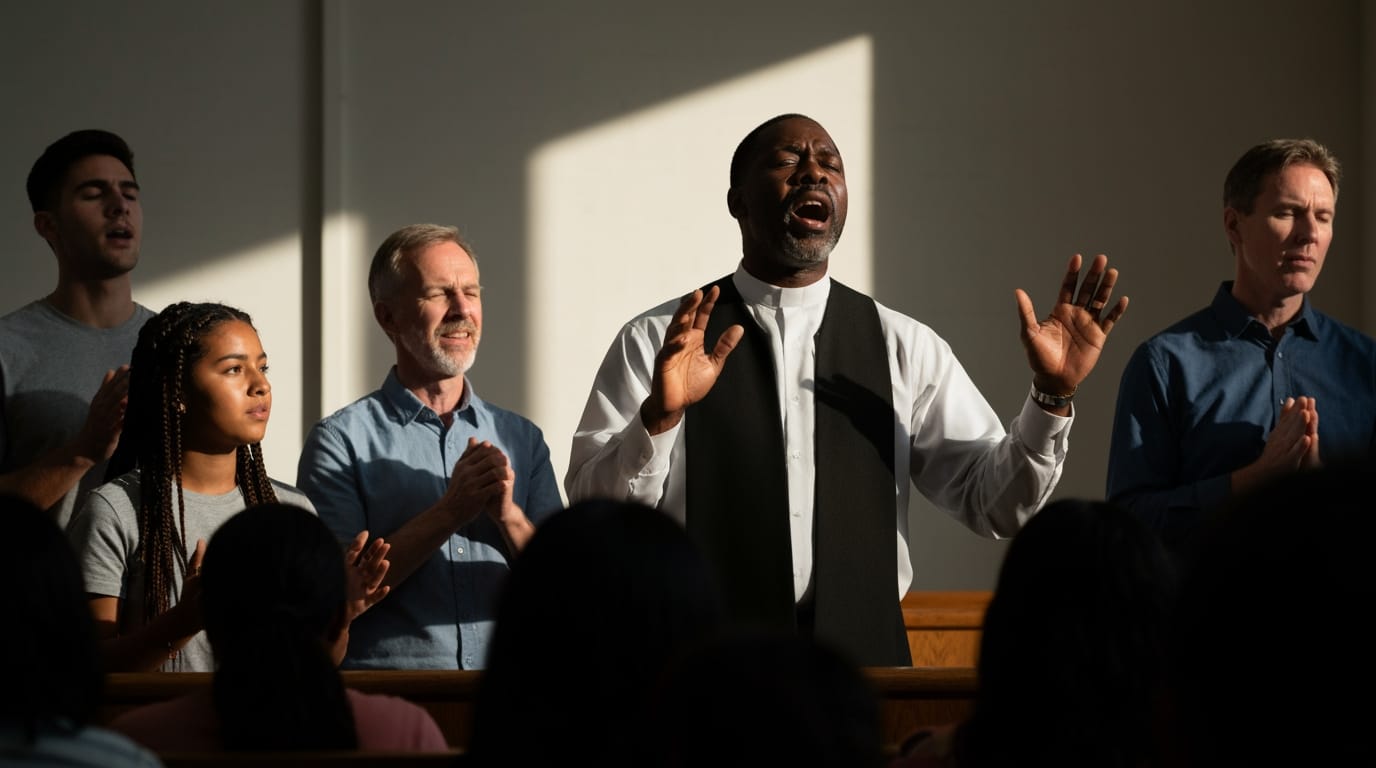
Liturgical traditions frequently feature the color red, symbolizing the "tongues of fire" and the zeal of the Holy Spirit. Clergy often wear red vestments, and congregants may also wear red attire. Special hymns and prayers dedicated to the Holy Spirit are common, and in some traditions, Pentecost is a popular day for baptisms and confirmations.
Beyond universal liturgical practices, various regions and cultures have developed unique customs. In Italy, Pentecost is sometimes called "Pascha Rosatum," or "the Feast of Roses," where rose petals are scattered from church ceilings to symbolize the descent of the fiery tongues. Germany observes "Pfingsten," often marked by picnics and homes decorated with birch branches, with some regions featuring a traditional horseback procession known as the Whitsun Ride. In Poland, Pentecost, or "Zielone Świątki" (Green Holiday), sees decorations of birch branches and other greenery, extending even to cattle adorned with wreaths. Russia refers to it as Trinity Sunday or Troitsa, with churches filled with flowers and birch branches, and a traditional association with women, who might wear floral crowns. In Britain and Ireland, the day is known as "Whitsunday" or "White Sunday," sometimes referencing the white garments worn by those being baptized, or the white vestments worn by clergy. Some countries in Europe, Africa, and the Caribbean observe Pentecost Monday as a legal holiday.
Enduring Significance and Unifying Threads
The enduring significance of Pentecost for Christians lies in its ongoing affirmation of the Holy Spirit's role in guiding and empowering believers. It signifies that God's presence and power continue to work within individuals and the Church, providing wisdom, understanding, and strength to live out their faith and spread the Gospel globally. The event at Pentecost is seen as breaking down language barriers and fostering unity among diverse peoples, embodying a message that transcends cultural and social divides.
While the Jewish Shavuot and Christian Pentecost diverge in their primary commemorations, they share unifying threads of divine revelation and covenant. Shavuot recalls the giving of the Torah as God's guidance for humanity, while Pentecost celebrates the outpouring of the Holy Spirit as God's indwelling presence and guide within believers. Both holidays emphasize the importance of community and collective responsibility in upholding faith and engaging with divine teachings.
The story of Pentecost continues to inspire and shape the mission of the Church, urging believers to act with courage, live in charity, and witness boldly to their faith.
Conclusion
Pentecost stands as a testament to the enduring power of faith and the dynamic interplay between historical events and spiritual understanding. From its ancient origins as a Jewish harvest festival and commemoration of the Law, Shavuot, to its transformative role in the Christian narrative as the birth of the Church, Pentecost encapsulates profound moments of divine intervention. It is a celebration of the Holy Spirit's descent, empowering believers and fostering a global community united in shared purpose and renewed hope. As observed today, through diverse traditions and heartfelt worship, Pentecost continues to remind millions of the persistent presence of the divine and the ongoing call to live a life of purpose and unity.