Peruvian Farmer Takes on German Energy Giant in Landmark Climate Case
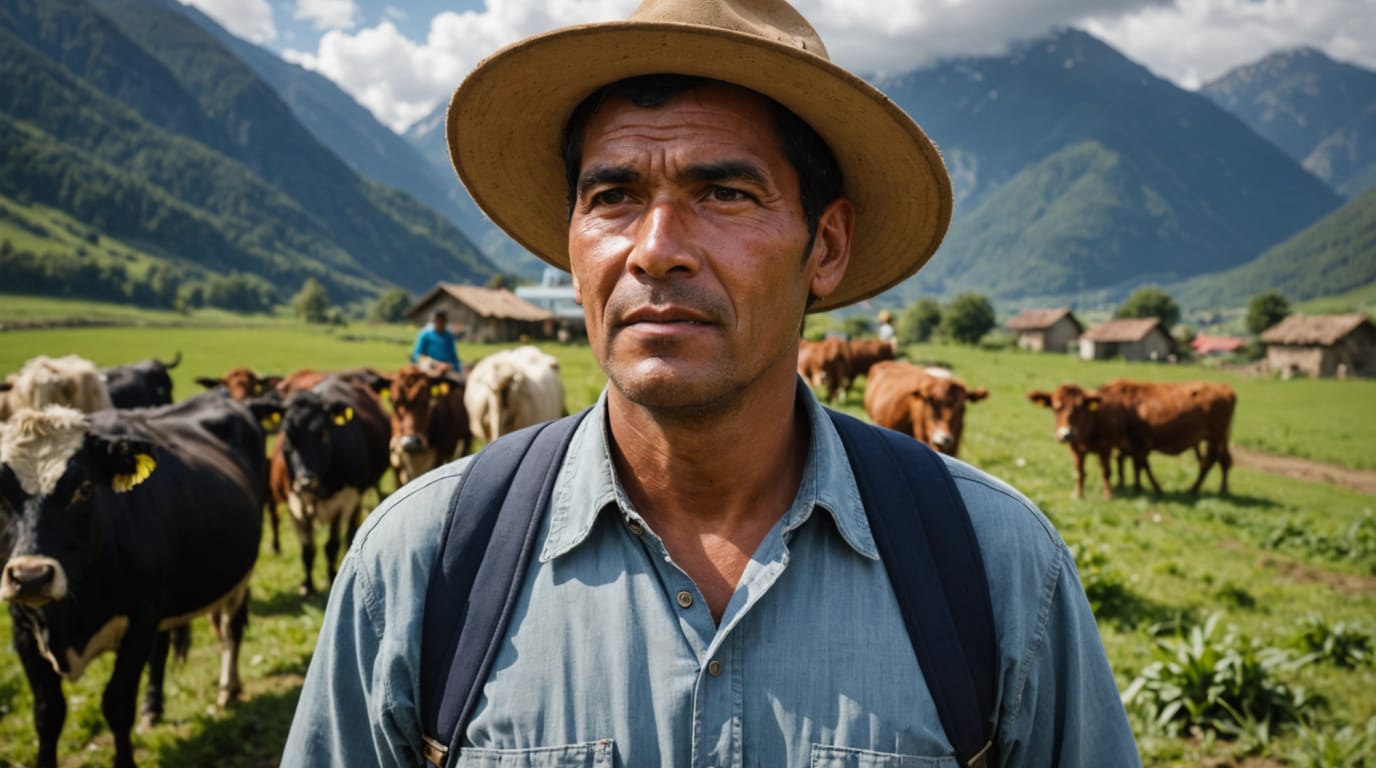
HAMM, Germany – Saúl Luciano Lliuya, a farmer from the Peruvian Andes, is set to face off against German energy giant RWE in a closely watched legal battle that could have far-reaching implications for corporate accountability in the age of climate change. The hearing, scheduled for March 17 and 19 at the Higher Regional Court in Hamm, marks a pivotal moment in a case that has been ongoing for nearly a decade.
Lliuya's lawsuit alleges that RWE, as one of the world's largest emitters of greenhouse gases, is partially responsible for the melting of glaciers near his hometown of Huaraz, Peru, and the resulting threat of catastrophic flooding. The case is the first of its kind in Europe, directly linking a company's emissions to specific climate-related damages in a foreign country.
The Threat from Palcacocha Lake
Huaraz, a city of more than 50,000 inhabitants nestled in the Cordillera Blanca mountain range, is acutely vulnerable to glacial melt. Palcacocha Lake, located high above the city, has expanded dramatically since 1975 due to the accelerated melting of glaciers caused by global warming. Scientists estimate that the lake's volume has increased substantially, particularly since 2003, creating a significant risk of a glacial lake outburst flood (GLOF). Such an event could unleash a devastating torrent of water and debris upon Huaraz, endangering lives and livelihoods.
Lliuya, who works as a mountain guide in addition to farming, argues that RWE's historical greenhouse gas emissions have directly contributed to the glacial melt and the increased flood risk. He is seeking approximately £14,250 from RWE, a sum equivalent to 0.47% of the estimated cost of implementing preventative flood defenses. This percentage reflects the Institute of Climate Responsibility's estimation of RWE's contribution to global industrial greenhouse gas emissions from 1751 to 2010. The funds would be invested in an early warning system and improvements to the lake's existing dam.
A David and Goliath Battle
The case pits a smallholder farmer against a multinational corporation with vast resources. RWE, Germany's largest electricity producer, maintains that it cannot be held liable for the generalized impacts of climate change. The company argues that a single entity cannot be held responsible for the consequences of global warming, given the multitude of contributing factors and emitters worldwide.
However, Lliuya's legal team, supported by the environmental and development organization Germanwatch, contends that RWE's substantial contribution to greenhouse gas emissions makes it partially responsible for the resulting damages. They argue that RWE knowingly contributed to climate change and should bear a portion of the costs associated with protecting vulnerable communities.
The Legal Journey
Lliuya initially filed his lawsuit in a German court in November 2015. In December 2016, the court dismissed the case, arguing that Lliuya had not established a direct legal responsibility for RWE in protecting Huaraz from flooding. However, Lliuya appealed the decision, and in November 2017, the Higher Regional Court found merit in his appeal and agreed to proceed with the case.
In a significant step, judges and court-appointed experts traveled to Huaraz in May 2022 to assess the flood risk and examine the potential threat to Lliuya's property. The experts are expected to present their findings at the upcoming hearing, which will focus on the link between climate change, RWE's emissions, and the increased danger posed by Palcacocha Lake.
Implications for Climate Litigation
The Lliuya v. RWE case has garnered international attention as a potential landmark in climate litigation. If Lliuya prevails, it could establish a precedent for holding major greenhouse gas emitters accountable for climate-related damages in other parts of the world. It could also encourage other communities and individuals affected by climate change to pursue legal action against companies whose activities contribute to global warming.
Conversely, a ruling in favor of RWE could set back efforts to hold corporations accountable for their environmental impact. It could reinforce the argument that climate change is a global problem with diffuse responsibility, making it difficult to assign liability to individual actors.
Awaiting the Verdict
The outcome of the hearing in Hamm is uncertain, but the case has already had a significant impact on the legal and political discourse surrounding climate change. It has raised awareness of the disproportionate impact of climate change on vulnerable communities in developing countries and has highlighted the ethical responsibilities of corporations in addressing the climate crisis.
Regardless of the court's decision, Lliuya's fight has become a symbol of the growing movement for climate justice, demonstrating the power of individuals to challenge powerful interests in the pursuit of a more sustainable future. The world will be watching as the Higher Regional Court of Hamm weighs the evidence and delivers its verdict in this groundbreaking case.


