PKK Announces Ceasefire with Turkey, Heeding Ocalan's Call to End Decades-Long Conflict
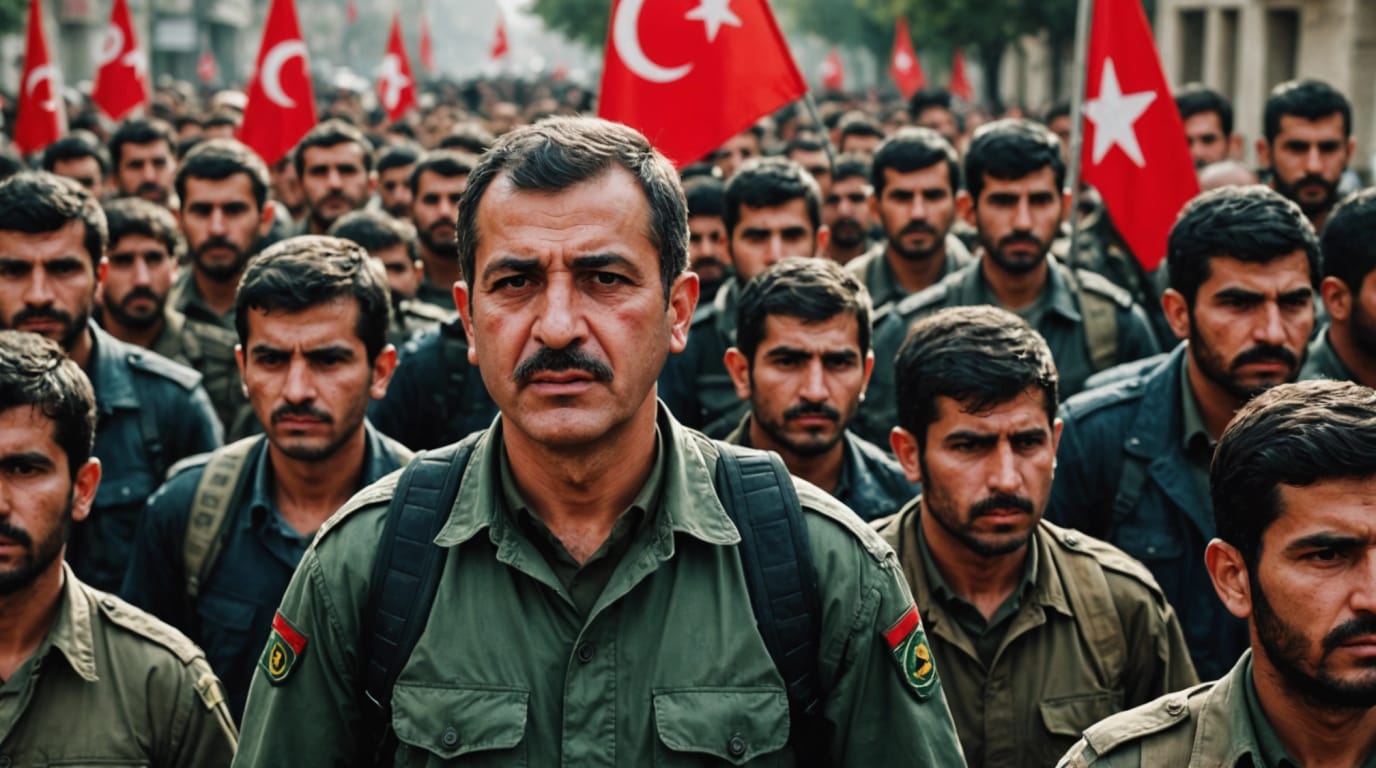
The Kurdistan Workers' Party (PKK) declared a ceasefire with Turkey on Saturday, marking a potentially significant step toward ending a 40-year conflict that has claimed over 40,000 lives. The announcement follows a historic call from imprisoned PKK leader Abdullah Ocalan, urging the group to disarm and dissolve. While the ceasefire has been met with cautious optimism, questions remain about its long-term viability and the conditions necessary for lasting peace.
Ocalan's Plea for Peace
Abdullah Ocalan, who has been held in near-total isolation on a Turkish island prison since 1999, issued a statement on Thursday calling for the PKK to lay down its arms and convene a congress to formally dissolve the organization. The pro-Kurdish DEM party relayed Ocalan's appeal after several meetings with him in prison. Ocalan stated he would take on the "historical responsibility" of this call. This marks a significant shift, as Ocalan has been a key figure in the Kurdish movement for decades, even from behind bars.
PKK's Conditional Acceptance
The PKK's executive committee responded to Ocalan's call on Saturday, declaring a ceasefire effective immediately. The group stated that it agreed with the content of Ocalan's message and would implement it, with the caveat that its forces would not take armed action unless attacked. The PKK also outlined conditions for the disarmament process, including the creation of a secure environment and Ocalan's direct leadership of the congress to dissolve the group. The PKK is asking for Ocalan to "live and work in physical freedom and be able to establish unhindered relationships with anyone he wants, including his friends.”
Turkey's Response and Concerns
Turkish President Recep Tayyip Erdogan acknowledged Ocalan's call as a potentially historic opportunity but warned that Turkey would continue its fight against the PKK if the group did not uphold its pledge to disarm. While Erdogan's government, along with its nationalist allies, has voiced support for the peace call, Ankara has stated that there would be no negotiations with the group. This stance highlights the deep-seated distrust and complexities surrounding the conflict.
Regional Implications and Kurdish Perspectives
The ceasefire has sparked varied reactions within the Kurdish community. Residents in Diyarbakir, Turkey's largest Kurdish-majority city, expressed hope that the end of the conflict would bring prosperity, peace, and happiness to the region. Zihni Capin, a teacher in Diyarbakir, stated that people were "exhausted both mentally and physically" by the conflict. Tuncer Bakirhan, co-chair of DEM, emphasized the need for political and legal adjustments and called on Turkey's parliament to play a "historic role" in the process. He stressed that the peace call should not be viewed as a win-lose situation.
Obstacles and the Path Forward
Despite the positive initial responses, significant obstacles remain. The PKK is designated a terrorist group by Turkey, the United States, and the European Union, which complicates any potential negotiations or agreements. The group has waged an insurgency since 1984, initially seeking to create a homeland for Kurds, who make up approximately 20% of Turkey's population. More recently, the group has focused on demands for greater autonomy, cultural rights, and linguistic rights. The demand for Ocalan's release and the creation of a secure environment for the disarmament process also present considerable challenges.
A Fragile Hope for Lasting Peace
The PKK's ceasefire declaration represents a critical juncture in the decades-long conflict with Turkey. While the path to lasting peace is fraught with challenges, the willingness of both sides to consider a resolution offers a glimmer of hope. The success of the ceasefire hinges on mutual trust, concrete steps toward disarmament, and a commitment to addressing the underlying issues that have fueled the conflict for generations. The international community will be watching closely as Turkey and the Kurdish people navigate this delicate and potentially transformative moment in their shared history.


