Poland's Crisis of Faith: Can Sacred Symbols Stem the Tide of Secularization?
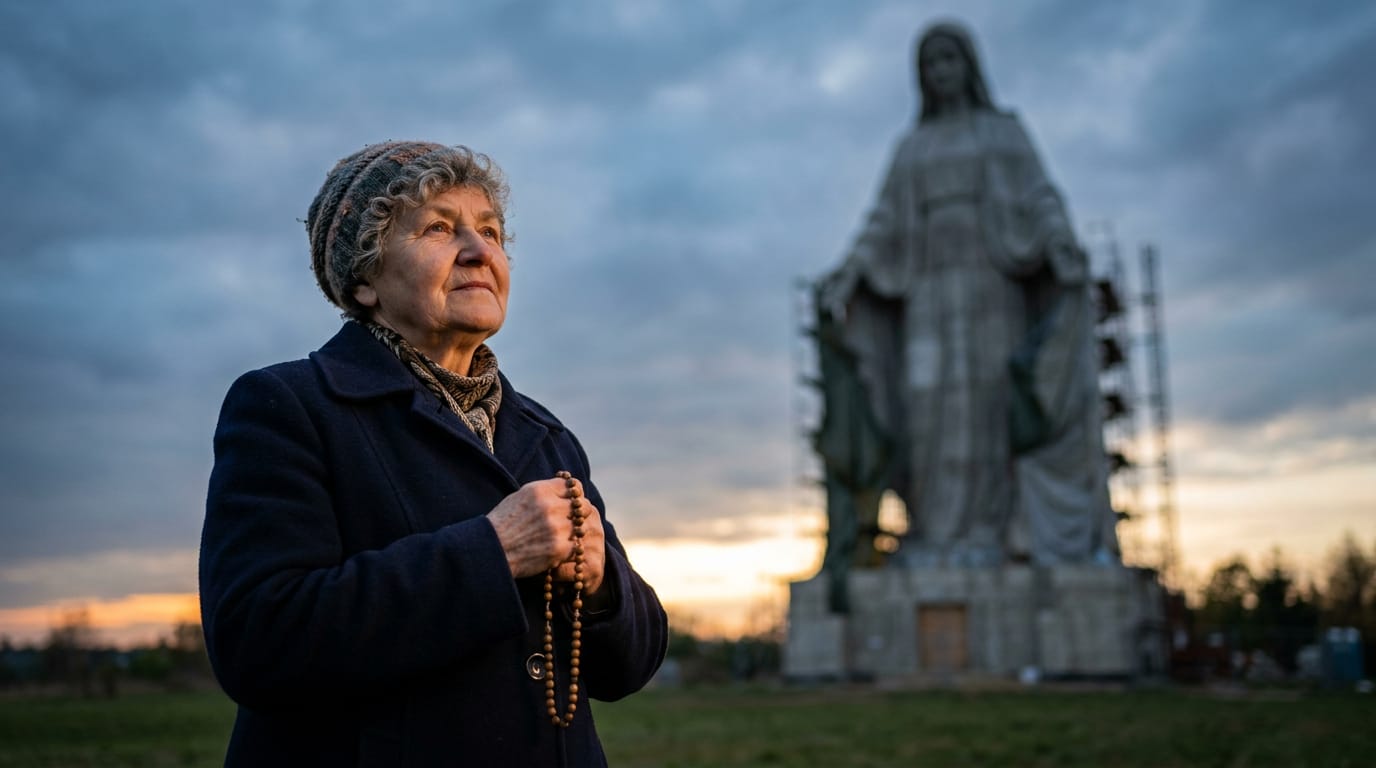
Poland, a nation long defined by its deep-rooted Catholic faith and unwavering devotion to the Virgin Mary, faces an unprecedented wave of secularization. Once a bulwark of religious observance in Europe, the country is now grappling with rapidly emptying pews and a younger generation increasingly disengaged from the Church. As the nation confronts this profound shift, the question arises: can powerful symbols of faith, such as the revered Black Madonna of Częstochowa, hold back the accelerating decline in religious practice, or does the challenge lie deeper within the fabric of society and the institution itself?
Poland's Vanishing Faith: A Rapid Decline
For centuries, Catholicism in Poland has been inextricably linked to national identity, serving as a beacon of hope and resistance through periods of foreign occupation and communist rule. However, recent data paints a stark picture of dwindling religious adherence. A 2018 report by the Pew Research Center identified Poland as the most rapidly secularizing nation among over a hundred measured, noting a significant disparity between the religiosity of young people and their elders. The 2021 census revealed a sharp drop in self-identified Roman Catholics to 71.3%, down from 87.6% in 2011. Weekly Mass attendance has plummeted to around 28-32% of Catholics, a dramatic fall from nearly 70% in the early 1990s. Alarmingly, nearly a third of young adults (18-24 years old) now report no religious belief at all. This precipitous decline, described by some church leaders as "devastating," indicates a profound societal transformation that challenges the very core of Polish identity.
The pace of change is particularly striking. While Poland remains more religious than many Western European countries, the rate at which it is turning away from faith is unparalleled globally. Researchers have found that the generational gap in attitudes towards religion between Poles over and under 40 is larger than in any other country, with modernization, economic growth, and technological advances cited as contributing factors. This shift is not merely a decrease in ritual observance; it reflects a broader erosion of personal religious importance and, eventually, a detachment from religious affiliation.
The Enduring Power of the Black Madonna
In the face of these profound changes, the iconic image of the Black Madonna of Częstochowa stands as a potent symbol of enduring Polish faith and national heritage. Housed in the Jasna Góra monastery, this revered icon is arguably the most famous sacred object in Poland, drawing millions of pilgrims annually. Its image has become deeply embedded in the national consciousness, representing not only Catholic devotion but also Polish pride and resilience. During communist rule, when authorities attempted to suppress religious expression, Polish Catholics famously carried an empty frame on pilgrimages across the country, signifying the Madonna's omnipresence despite political interference. The Black Madonna has historically served as a focal point for national unity and a source of strength during turbulent times.
However, the question remains whether the powerful spiritual resonance of such a "massive Madonna" – not necessarily a newly constructed behemoth, but an existing icon of monumental cultural and religious significance – can effectively counter the contemporary forces driving secularization. While pilgrimages to Jasna Góra remain significant, with hundreds of thousands traveling long distances, particularly in August for Marian feasts, the widespread devotion it inspires might not translate into consistent engagement with the institutional Church. The challenge is not merely one of belief in God, which remains high for many Poles, but a crisis of trust and relevance concerning the Catholic Church as an institution.
Beyond the Icon: Why Poles Are Drifting Away
The reasons behind Poland's rapid secularization are complex and multi-faceted, extending beyond a simple loss of faith. One significant factor has been the pervasive child sexual abuse scandals involving Catholic clergy and the perceived failures of the church hierarchy to adequately address these cases. These revelations have severely undermined the Church's credibility and caused a deep crisis of faith for many devoted believers.
Furthermore, the Catholic Church's close ties to conservative political parties, particularly the Law and Justice party, and its strong stance on divisive social issues, such as a near-total abortion ban, have alienated a growing segment of the population, especially younger, more liberal Poles. Surveys indicate that young people increasingly hold more liberal views on social issues, creating a chasm between their perspectives and the Church's traditional doctrines. The impression that the Church is overly involved in politics has led to calls for a clearer separation of church and state, a sentiment that has gained traction in recent years.
Other contributing factors include growing indifference, a loss of interest, and changing social norms, exacerbated by rapid modernization. The shift in women's roles in society and a perception that the Church is too traditional also play a part. The COVID-19 pandemic also had an impact, with churches that emptied during lockdowns failing to regain pre-pandemic attendance levels. These issues suggest that the decline is not just spiritual but also cultural and institutional, making it a particularly challenging trend to reverse.
A Search for Solutions
Recognizing the gravity of the situation, the Catholic Church in Poland has acknowledged the need for introspection and new approaches. Archbishop Wojciech Polak, Primate of Poland, has admitted that the Church requires "purifying" in response to the sex abuse scandals that have eroded its credibility. Efforts are being made to seek and introduce new ways of reaching young people with the message of the Gospel, with Catholic communities and movements actively working in parishes to achieve this aim.
However, the efficacy of these initiatives remains to be seen. While grand gestures and monumental symbols like the Black Madonna continue to draw pilgrims, the challenge of re-engaging a disenchanted generation may require more profound, systemic changes. Focusing solely on external symbols, without addressing the underlying issues of trust, relevance, and institutional reform, might prove insufficient. The future of faith in Poland likely hinges on the Church's ability to reconnect with its congregants, particularly the youth, by demonstrating genuine empathy, transparency, and a willingness to adapt to contemporary societal values while remaining true to its spiritual mission.
Conclusion
Poland's journey through rapid secularization presents a profound dilemma for a nation historically defined by its Catholic identity. While the iconic Black Madonna of Częstochowa embodies a powerful and enduring spiritual heritage, its symbolic weight alone may not be enough to halt the accelerating decline in religious observance. The forces driving Poles away from the Church are multifaceted, encompassing institutional failures, political entanglement, and a shifting social landscape. To navigate this crisis, the Catholic Church in Poland faces the formidable task of not only preserving its sacred traditions but also undergoing a deep internal renewal. The path forward demands more than just monumental symbols; it requires a genuine re-engagement with society, a rebuilding of trust, and a demonstration of relevance that resonates with the evolving spiritual needs of its people. The question for Poland, and indeed for many traditionally religious societies, is whether faith can adapt to modernity without losing its essence, and whether cherished symbols can inspire not just awe, but also active, lived belief in an increasingly secular world.


