Police Fatally Shoot Knife-Wielding Man in Moers Amidst Rising Concerns Over Knife Attacks
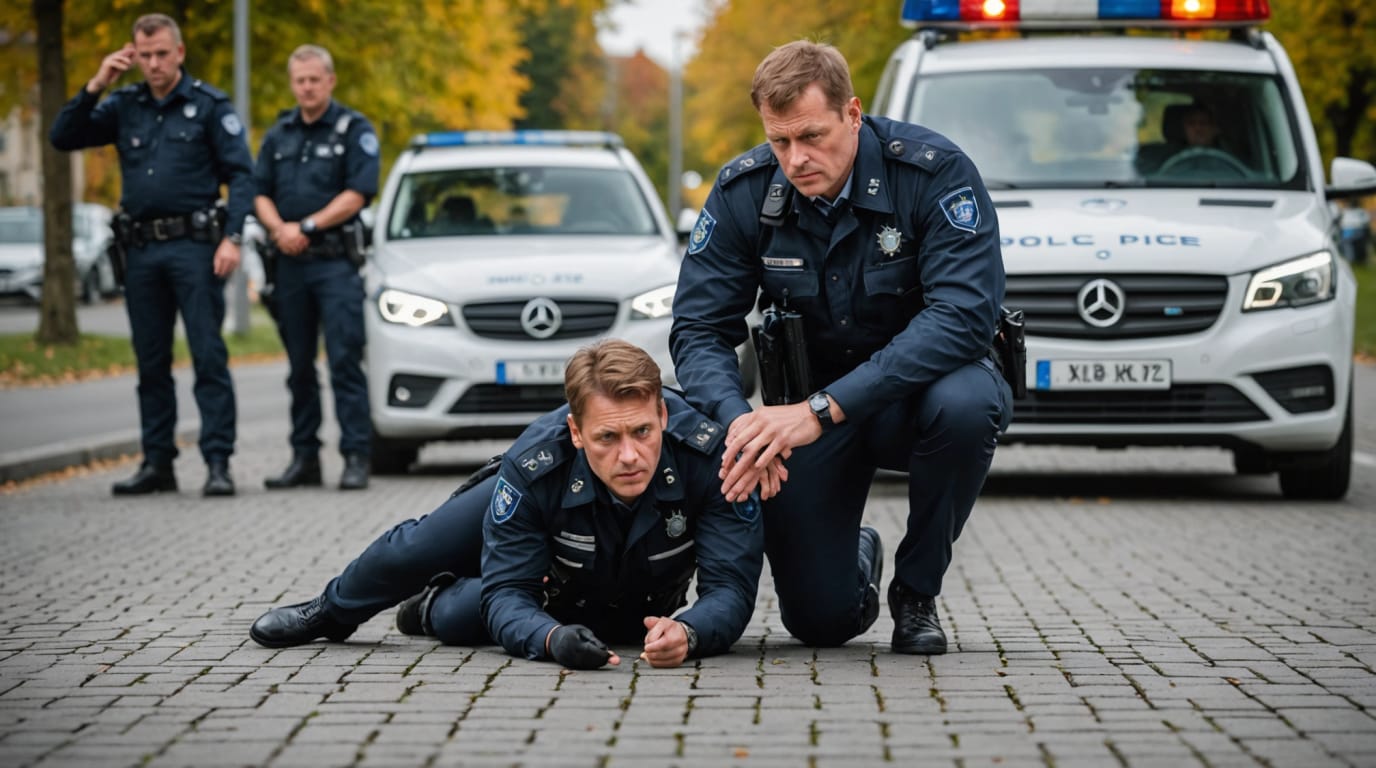
German police shot and killed a 26-year-old man in Moers, western Germany, on Tuesday, August 27, 2024, after he allegedly attacked officers with two knives. The incident occurred amidst heightened concerns and public debate surrounding knife violence in the country, following a recent deadly attack at a street festival in nearby Solingen. The shooting has reignited discussions about immigration policies, security measures, and the potential for extremist motivations behind such acts of violence.
Incident Details in Moers
According to police reports, officers were dispatched to Moers, located near Duisburg and Dusseldorf, around 2:45 p.m. local time after receiving reports of a man assaulting and threatening passersby. Upon locating the suspect, identified as a 26-year-old German national, he reportedly attacked the officers with two knives. Police responded by firing at the man, fatally wounding him. No other individuals were injured during the incident. Authorities have not yet released further details about the man's identity or potential motives.
Context: Solingen Knife Attack
The Moers shooting occurred just days after a knife attack in Solingen, approximately 45 kilometers (28 miles) away, which left three people dead and eight others wounded. The Solingen attack took place at a street festival celebrating the city's 650th anniversary, shocking the local community and prompting national outrage. A 26-year-old Syrian man, whose asylum application had reportedly been denied, was arrested in connection with the Solingen attack.
Suspect in Solingen Attack and Potential Extremist Links
The suspect in the Solingen attack has been identified as a Syrian citizen who had applied for asylum in Germany. News reports indicate his asylum claim was denied, and he was slated for deportation the previous year. Following the attack, the Islamic State group claimed responsibility, asserting the attacker targeted Christians to avenge Muslims in Palestine and elsewhere. However, the veracity of this claim remains unverified. Federal prosecutors are investigating the Solingen attack as a potential act of terrorism, examining possible charges of murder, attempted murder, and membership in a foreign terrorist organization.
Political Fallout and Policy Responses
The recent surge in knife attacks has triggered a heated political debate in Germany, particularly concerning immigration and security policies. In response to the Solingen attack, Chancellor Olaf Scholz pledged to toughen knife laws and expedite the deportation of rejected asylum-seekers. Calls for stricter immigration controls and increased security measures have grown louder, especially with upcoming regional elections in Saxony and Thuringia, where anti-immigration parties are expected to gain traction. The debate also extends to the question of why individuals, such as the suspect in the Solingen attack, remain in Germany despite having their asylum claims rejected.
Broader Concerns and Statistical Context
While the recent incidents have amplified concerns, knife crime statistics in Germany present a complex picture. Data indicates a fluctuating trend in knife-related offenses over the past decade. Law enforcement agencies have reported increases in knife-related crimes in certain regions, while others have seen a decrease. However, the perception of rising violence, fueled by high-profile incidents like the Solingen attack, has contributed to a sense of unease among the public. The debate also encompasses discussions about the effectiveness of current laws regarding knife possession and the need for more comprehensive prevention strategies.
Community Reactions and Mourning
Both the Moers shooting and the Solingen attack have deeply affected the local communities. In Solingen, residents gathered to mourn the victims, placing flowers and notes at the scene of the attack. The street festival, originally intended as a celebration, was canceled out of respect for the deceased and injured. Community leaders have emphasized the importance of unity and resilience in the face of such tragedies, urging residents to support one another and reject any form of xenophobia or discrimination.
Conclusion: Balancing Security and Social Cohesion
The fatal shooting in Moers, following the horrific knife attack in Solingen, underscores the challenges Germany faces in addressing the issue of knife violence. The incidents have ignited a complex debate encompassing immigration policies, security measures, potential extremist motivations, and the need for social cohesion. As Germany grapples with these challenges, policymakers, law enforcement agencies, and community leaders must work together to find effective solutions that prioritize both public safety and the values of inclusivity and tolerance. The path forward requires a nuanced approach that addresses the root causes of violence, strengthens community bonds, and ensures that justice is served while upholding the principles of a democratic society.


