Police Raid Starbucks HQ Amid 'Tank Day' Fiasco, Igniting Debate on Corporate Responsibility and Historical Sensitivity
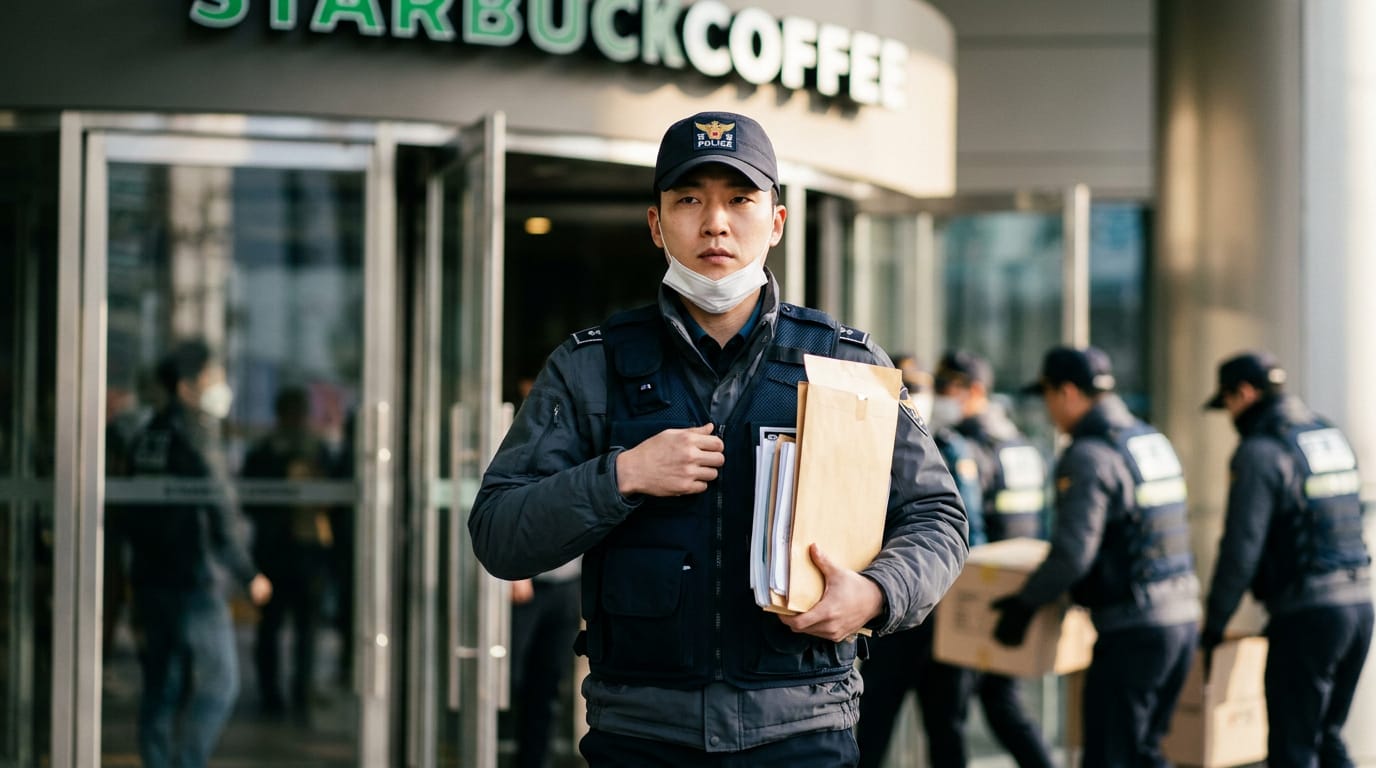
SEOUL – South Korean police have raided the headquarters of Starbucks Korea in Seoul, escalating a criminal investigation into a controversial marketing campaign dubbed "Tank Day" that critics assert mocked the victims of the 1980 Gwangju Uprising. The pre-dawn search by the Seoul Metropolitan Police Agency on Wednesday, August 5, 2026, marks a significant turn in a public relations crisis that has plagued the coffee giant for months and ignited a nationwide debate over corporate sensitivity to historical trauma.
The police action stems from numerous complaints filed by civic groups and bereaved families, accusing Starbucks Korea, a joint venture with Shinsegae Group, of defamation and insulting those who suffered during one of South Korea's most pivotal pro-democracy movements. Investigators are reportedly reviewing internal documents and materials related to the "Tank Day" promotion, which was launched on May 18, the solemn anniversary of the Gwangju Uprising.
The Ill-Conceived "Tank Day" Promotion
The controversy erupted in May when Starbucks Korea unveiled a promotional campaign offering discounts on its "Tank" tumbler collection. The marketing language accompanying the campaign, which included the phrase "Tak! on the desk," drew immediate and fierce backlash. Critics were quick to point out the ill-timed launch on May 18 and the evocative imagery and language that, intentionally or not, appeared to trivialise the brutal suppression of the Gwangju Democratization Movement. The "Tank" theme was seen as a callous reference to the military tanks used during the crackdown, while "Tak!" tragically echoed the reported sound an officer made when striking a desk, linked to the death of student activist Park Jong-cheol under police torture.
The promotion, designed to highlight the "spacious volume" of the tumblers, was swiftly branded by the public as "Tank Day," underscoring the deep offense it caused. Despite Starbucks Korea quickly withdrawing the promotion within hours of its launch and top executives issuing apologies, the damage was done, precipitating one of the country's most significant corporate public relations crises in recent memory.
The Shadow of Gwangju: A Nation's Enduring Trauma
The Gwangju Uprising, also known as the May 18 Democratization Movement, remains a deeply sensitive and significant event in South Korea's modern history. Between May 18 and May 27, 1980, the city of Gwangju became the epicenter of a massive student-led protest against the military government led by Chun Doo-hwan, who had seized power through a coup. The government responded with extreme force, deploying military units and tanks to brutally suppress the demonstrations.
The crackdown resulted in a tragic loss of life, with official estimates suggesting at least 165 civilian deaths, though civic groups and historical research indicate the toll could be as high as 2,300. The events of Gwangju served as a brutal awakening for the nation, fueling the broader movement toward democratization and becoming a powerful symbol of the struggle for freedom and human rights. The memory of Gwangju is enshrined in national consciousness, with May 18 commemorated annually, making any perceived disrespect profoundly offensive to the South Korean public.
Widespread Outcry and Corporate Fallout
The "Tank Day" promotion triggered an immediate and widespread backlash across South Korea. Public outrage manifested in protests, calls for boycotts, and fervent condemnation across social media platforms. The incident quickly transcended typical consumer complaints, drawing criticism from high-profile figures, including South Korean President Lee Jae Myung, who publicly condemned the marketing campaign.
In an attempt to mitigate the crisis, Starbucks Korea took several unprecedented steps. Beyond the swift withdrawal of the promotion and apologies from top executives, the company dismissed its Chief Executive Officer, Son Jung-hyun, and Shinsegae Group Chairman Chung Yong-jin issued multiple public apologies. Even Starbucks Corporation, which had ceded operational control of its South Korean business to Shinsegae several years prior, issued a public apology, highlighting the gravity of the situation. In a sweeping response, Starbucks Korea also closed all of its more than 2,000 stores nationwide for mandatory history and sensitivity training for its staff, an effort aimed at rebuilding trust and addressing the deep cultural sensitivities of the South Korean market.
The Police Investigation and Broader Implications
The ongoing police investigation by the Seoul Metropolitan Police Agency is focused on determining whether the campaign intentionally insulted those involved in the Gwangju Uprising. Investigators are also reportedly examining potential gaps in Shinsegae Group's internal audit processes that allowed such a sensitive campaign to proceed. This compulsory investigative measure, initiated months after complaints were filed, underscores the serious legal and social ramifications faced by corporations operating in South Korea.
The "Tank Day" fiasco serves as a stark reminder of the delicate political and cultural balance that international brands must navigate in markets with deeply embedded historical narratives. For Starbucks, which holds a significant presence as the third-largest market outside of the U.S. and China, the incident poses a formidable challenge to its brand reputation and market standing. The controversy has broadened the discussion on corporate social responsibility, emphasizing the imperative for businesses to not only be culturally aware but also historically informed, particularly when engaging with sensitive national memories.
The police raid signals a heightened legal scrutiny of corporate actions that impinge upon historical respect and public sentiment. The outcome of the investigation will likely set a precedent for how South Korean authorities address perceived historical insensitivity by corporations, reinforcing the notion that commercial success cannot come at the expense of national memory and dignity. The path to fully restoring public trust for Starbucks Korea, despite its extensive apologies and remedial actions, remains an ongoing and complex endeavor.