Polish Support for Ukrainian Refugees Shows Signs of Cooling
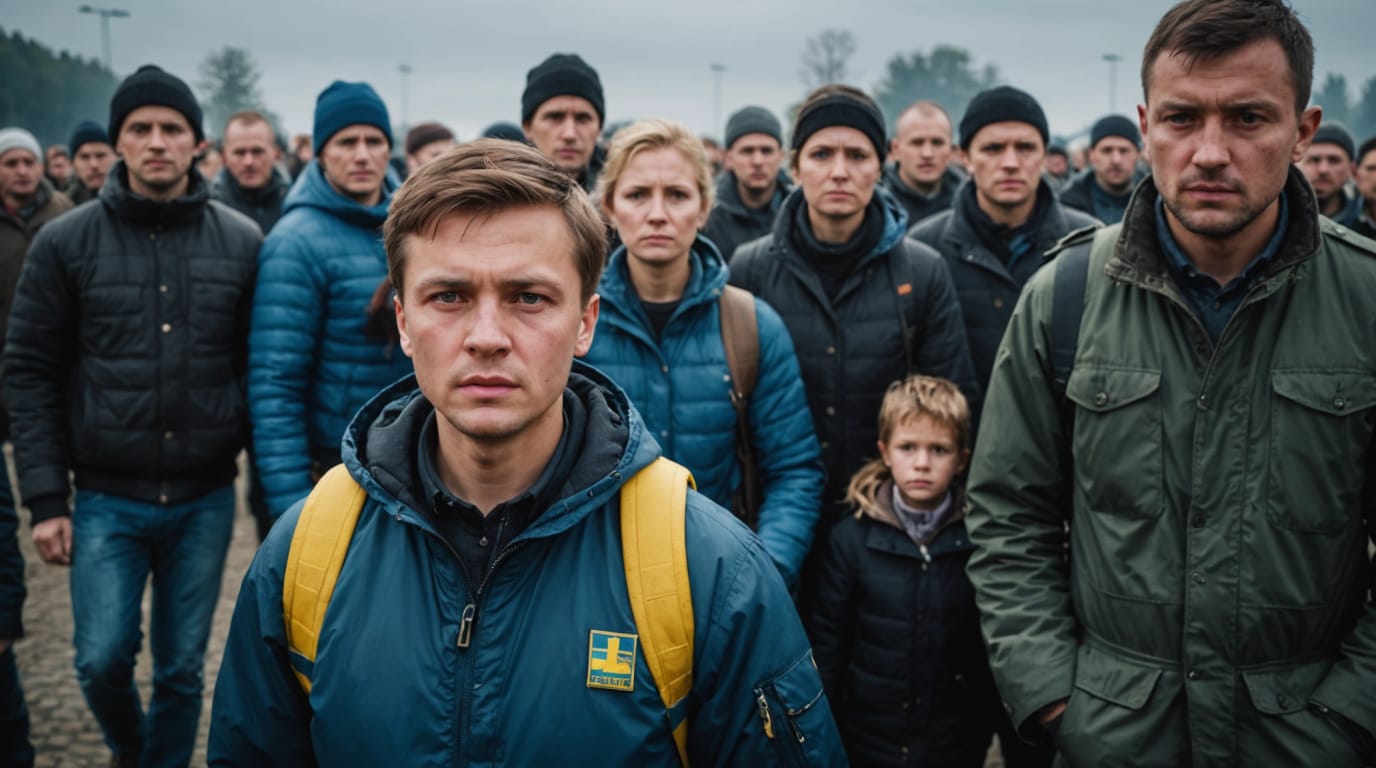
Poland, initially a staunch ally and haven for Ukrainian refugees following Russia's invasion in February 2022, is experiencing a shift in public sentiment regarding its support for those displaced by the war. While Poland has accommodated a significant number of Ukrainian migrants, the relationship between Polish citizens and Ukrainian refugees has become more complex, influenced by economic concerns, political factors, and differing perspectives on long-term integration.
Initial Warm Welcome Fades
In the immediate aftermath of the Russian invasion, Poland demonstrated overwhelming support for Ukrainian refugees. Surveys conducted in March 2022 indicated that 94% of the Polish population favored accepting Ukrainians. This widespread support stemmed from shared history, cultural ties, and a tradition of Ukrainian migration to Poland predating the full-scale war, with over one million Ukrainians already residing in the country. However, as the war has dragged on, this initial enthusiasm has waned. By September 2023, support for accepting Ukrainian refugees had decreased to 65%. A more recent survey in April 2023 showed a further 10-point drop, with 73% of Poles supporting acceptance, the lowest since the war began, and almost one-fifth (19%) opposing it.
Economic Anxieties and Border Disputes
One of the primary drivers of this shift in attitude is growing economic anxiety among the Polish population. Concerns about access to healthcare, social benefits, and the impact of Ukrainian agricultural imports have contributed to a more cautious stance. Polish farmers, in particular, have voiced strong opposition to what they perceive as unfair competition from Ukrainian grain and other produce, leading to intermittent border blockades and protests. These protests, fueled by the liberalization of trade brought in by the EU in response to Russia's invasion, highlight the tension between supporting Ukraine and protecting domestic economic interests. Farmers argue that the influx of cheaper Ukrainian goods threatens their livelihoods, with one farmer stating, "Am I supposed to die of hunger because they are at war?" While Ukrainian officials have stated that no Ukrainian grain has been imported into Poland since September 2024, the perception of economic threat persists.
Political Maneuvering and Shifting Policies
The evolving attitudes toward Ukrainian refugees have also become a subject of political debate in Poland. The ruling coalition, comprised of the PO (Civic Platform) party, the Third Way, and the Left, has faced internal divisions regarding benefits for immigrants and refugees, including those from Ukraine. In January 2025, the PO party submitted a proposal to cut benefits for immigrants and refugees, a move criticized by the Left. This proposal reflects concerns about the long-term financial implications of supporting a large refugee population. Even the right-wing and nationalist PiS (Law and Justice) party, often at odds with PO, has expressed similar sentiments regarding benefit cuts. Furthermore, Foreign Minister Radoslaw Sikorski suggested that European governments should cease providing benefits to Ukrainian men eligible for military service, arguing against "financial incentives for avoiding the draft in Ukraine." These political stances reflect a broader trend of increasing anxiety about migration and asylum policies throughout Europe.
Concerns About Integration and Reciprocity
Beyond economic and political factors, some Poles harbor concerns about the integration of Ukrainian refugees into Polish society. Surveys indicate that a growing number of Poles believe that Ukrainian refugees "expect entitlements for free," "want the same rights as Poles," and are "ungrateful for the help they receive." Some respondents also express concerns about a perceived "Eastern mentality" among Ukrainians, characterized by "a lack of concern for the common good." These sentiments, while not representative of the entire Polish population, highlight underlying anxieties about cultural differences and the potential strain on social cohesion. A significant majority (61%) of Poles would prefer Ukrainian refugees to return to their homeland once the war ends, with only 17% supporting long-term settlement in Poland.
Lingering Support and Future Outlook
Despite the cooling of enthusiasm, significant support for Ukraine and its refugees remains in Poland. A majority of Poles still agree that Poland should help Ukraine, although the percentage has decreased from 62% in January 2023 to around 31%. There is also continued support for providing material assistance, such as food and clothing, although these numbers have also declined. Notably, a large majority (82%) of Poles still support the admission of Ukrainian children into Polish schools. However, there is less consensus on the curriculum, with half favoring the Polish core curriculum and 40% supporting a compromise between Polish and Ukrainian education.
Conclusion
The initial outpouring of support for Ukrainian refugees in Poland has evolved into a more nuanced and complex situation. While Poland remains a key ally of Ukraine, economic anxieties, political considerations, and concerns about long-term integration have contributed to a decline in public enthusiasm. The ongoing war, coupled with domestic political and economic pressures, will likely continue to shape Polish attitudes toward Ukrainian refugees in the coming months and years. The challenge for both countries will be to manage these evolving dynamics while maintaining a strong alliance in the face of Russian aggression.


