Pope Fever Sweeps France as Pontiff Draws Massive Crowds Across Secular Republic
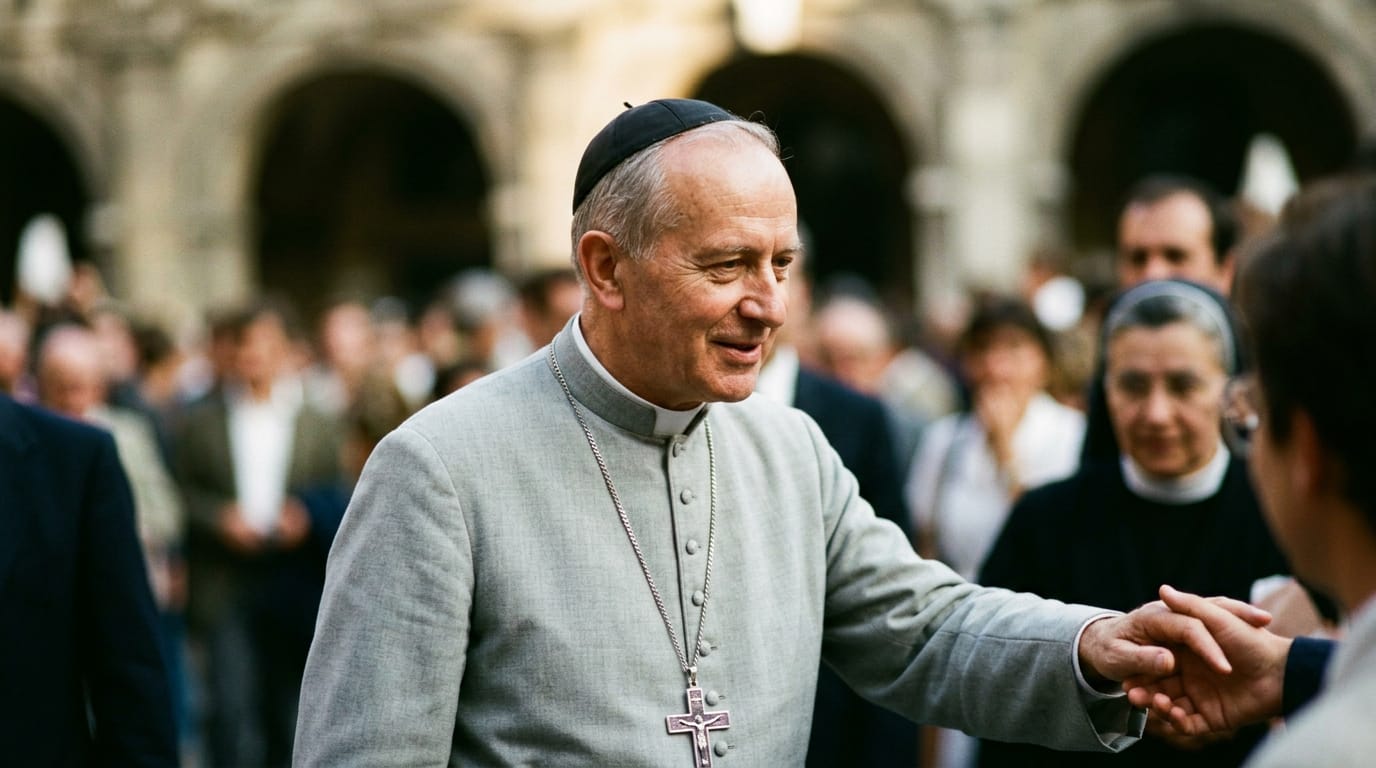
PARIS — A wave of public enthusiasm swept across France this week as hundreds of thousands of people filled the streets of Paris, Lourdes, and Metz for the first full papal visit to the nation in nearly two decades. The four-day journey challenged long-standing assumptions about the vitality of faith in Western Europe, producing crowd sizes that surprised organizers and tested security apparatuses in a country defined by strict legal boundaries between church and state.
Massive Turnout in the Capital
The public fervor reached its peak in Paris, where an estimated 800,000 people gathered along the Champs-Élysées and packed the Place de la Concorde for an outdoor Mass. The congregation stretched more than two kilometers through central Paris toward the Arc de Triomphe. Authorities had closed multiple metro stations and deployed thousands of police officers in an operation comparable to the security footprint of major international sporting events.
The location carried deep historical weight. The Place de la Concorde served as the primary execution site during the French Revolution, where the guillotine claimed the lives of King Louis XVI and Marie-Antoinette. Celebrating a Catholic Mass in a civic venue so intricately tied to the founding moments of the French secular republic was an extraordinary sight.
Earlier in the visit, about 80,000 young people filled the Stade de France in Saint-Denis for an evening prayer vigil, with free tickets snatched up within an hour of release. Another 300,000 onlookers lined the route along the River Seine as the popemobile traveled to the restored Notre-Dame Cathedral, marking the pontiff's first formal visit to the monument since the catastrophic fire of 2019.
Crossing the Secular Divide
The overwhelming response took place against the backdrop of France’s legal framework of laïcité, established by the 1905 law enforcing state secularism. Under this framework, religious belief is largely treated as a private matter, and weekly Catholic church attendance has declined to between 5% and 8% of the general population.
Despite these statistical realities, the visit highlighted changing demographic patterns within the French Church. Religious communities across the country have reported a notable increase in adult baptisms, particularly among citizens between 25 and 40 years old.
The atmosphere also drew citizens across religious and political spectrums. Onlookers from Muslim, Jewish, and non-believing backgrounds lined the motorcade avenues alongside devout Catholics. However, the state’s formal involvement produced friction among domestic political factions. Critics on the political left questioned the use of municipal resources to stage public religious displays, while figures on the right scrutinized interfaith components of the pontiff's regional schedule.
A Focus on Healing and Human Dignity
From Paris, the itinerary shifted south to the Marian sanctuary at Lourdes, a shrine renowned for attracting millions of pilgrims seeking spiritual and physical healing. Approximately 150,000 faithful attended an open-air service at the sanctuary grounds, far exceeding attendance figures from the last papal visit to the shrine in 2008.
During his homilies at the site, the pontiff spoke directly to sick, elderly, and disabled attendees. He emphasized the absolute value of human life and touched upon pressing domestic legislation, explicitly challenging recent moves toward the legal normalization of assisted dying. He framed care for vulnerable people as the true measure of a compassionate society.
The tour of the southwest also included dedicated meetings with survivors of clerical abuse. Survivors who attended the private sessions reported that the pontiff engaged directly with their testimonies, reflecting on institutional accountability and the ongoing effort to root out misconduct across European dioceses.
A European Vision in Metz
The journey concluded in the northeastern city of Metz, near the borders of Germany and Luxembourg. French fighter jets escorted the papal flight into the region, where the pontiff delivered a major address on the future of Europe at a conference center named after Robert Schuman, one of the primary architects of post-World War II European reconciliation.
The speech addressed rising geopolitical polarization, conflict on the European perimeter, and the humanitarian challenges of global migration. The address encouraged European nations to look to their foundational roots of dialogue, cautioning against rearmament and the resurgence of unilateral dominance. While French President Emmanuel Macron hosted the closing event, only a small contingent of European heads of state attended, reflecting ongoing debates among continental leaders regarding the role of religion in modern diplomacy.
The tour served as a broader inquiry into whether Europe can maintain its historic cultural foundations amid secularization and rapid global change. By combining pastoral care with direct appeals to continental unity, the trip underscored that the intersection of faith, statehood, and civic identity remains a vibrant and contested part of modern European life.


