Pope Francis: A Pontiff of Paradoxes
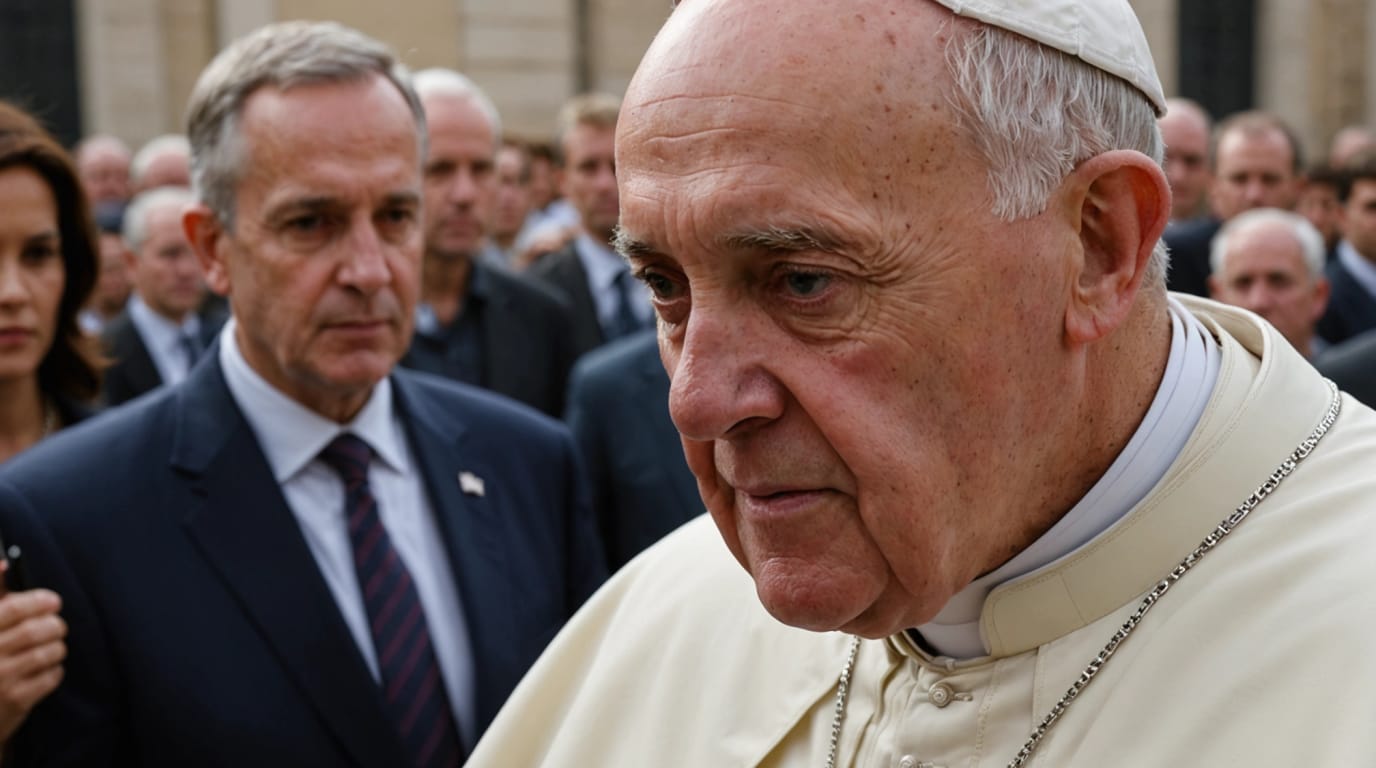
Pope Francis, the 266th Pope of the Catholic Church, has consistently defied easy categorization since his election in 2013. He presents a complex figure, simultaneously embracing traditional values and advocating for progressive reforms, a duality that has both captivated and challenged the global Catholic community. His papacy has been marked by a focus on the marginalized, a call for environmental stewardship, and a willingness to engage in dialogue on contentious social issues, all while maintaining a firm stance on core Catholic doctrines. This tightrope walk between conservatism and unconventionality has defined his tenure, making him one of the most talked-about and influential figures on the world stage.
A Champion of the Poor and Dispossessed
From the outset of his papacy, Francis signaled a shift in priorities, emphasizing the Church's role in serving the poor and dispossessed. He chose the name Francis in honor of St. Francis of Assisi, a symbol of poverty and simplicity, and has consistently championed the cause of the marginalized. His critiques of unbridled capitalism and his visible support for refugees and migrants have resonated with many, particularly in Latin America, where he has fostered outreach to liberationist and socialist movements. This focus on social justice aligns with his Jesuit background, emphasizing action and engagement in the world.
Francis's concern for the poor is not merely rhetorical. He has actively sought to address systemic inequalities, advocating for fair wages, access to healthcare, and environmental protection for vulnerable communities. His encyclical Laudato Si' is a landmark document that connects environmental degradation with social injustice, arguing that the poor are disproportionately affected by climate change and pollution. This holistic approach to poverty, linking it to environmental and economic factors, has broadened the scope of the Church's social mission.
Navigating Thorny Social Issues
Pope Francis has demonstrated a willingness to engage with complex and often divisive social issues, including homosexuality, divorce, and the role of women in the Church. While upholding the Church's traditional teaching on marriage as between a man and a woman, he has adopted a more compassionate and inclusive tone towards LGBTQ+ individuals. His famous statement, "Who am I to judge?" regarding homosexual individuals seeking God, signaled a significant shift in the Church's public discourse.
Similarly, Francis has addressed the issue of divorced and remarried Catholics, suggesting a path for them to receive Communion under certain circumstances. This proposal, outlined in his apostolic exhortation Amoris Laetitia, sparked considerable debate within the Church, with some conservatives accusing him of undermining traditional doctrine. However, Francis has defended his approach as consistent with the Church's emphasis on mercy and pastoral care, arguing that each case should be evaluated individually.
Furthermore, Francis has taken steps to elevate the role of women in the Church, appointing them to high-ranking positions in the Vatican and advocating for their greater participation in decision-making processes. While he has maintained the Church's ban on female priests, he has emphasized the importance of recognizing women's unique contributions to the Church's mission.
Decentralization and Dialogue
A key aspect of Francis's papacy has been his emphasis on decentralization and dialogue within the Church. He has promoted the concept of "synodality," encouraging greater participation from bishops, clergy, and laypeople in Church governance. This approach aims to foster a more collaborative and inclusive decision-making process, empowering local churches to address the specific needs of their communities.
Francis has also stressed the importance of dialogue with other religions and cultures, seeking to build bridges of understanding and cooperation. He has met with leaders of various faiths, including Muslims, Jews, and Buddhists, to promote peace and mutual respect. His efforts to foster interreligious dialogue reflect his belief that all people of goodwill can work together to address the challenges facing humanity.
Conservative Pushback and Internal Conflicts
Despite his popularity and widespread acclaim, Pope Francis has faced significant opposition from conservative elements within the Church. These critics accuse him of undermining traditional doctrines, sowing confusion among the faithful, and weakening the Church's moral authority. They point to his statements on homosexuality, divorce, and other sensitive issues as evidence of his alleged "liberal" agenda.
The death of Pope Benedict XVI, a hero to many conservatives, emboldened these critics, leading to increased public attacks on Francis and his policies. Some conservative cardinals and bishops have openly challenged his authority, questioning the legitimacy of his reforms and calling for a return to traditional practices. This internal conflict has created a climate of tension and division within the Church, raising concerns about its future direction.
A Legacy in Progress
As Pope Francis enters the later years of his papacy, his legacy remains a work in progress. He has undoubtedly left an indelible mark on the Catholic Church, shifting its focus towards the marginalized, promoting dialogue and decentralization, and challenging traditional norms. However, his reforms have also sparked controversy and division, raising questions about the long-term impact of his papacy.
Whether he is viewed as a revolutionary reformer or a dangerous radical, Pope Francis has undeniably shaken up the Catholic Church and forced it to confront the challenges of the 21st century. His papacy represents a complex and often contradictory blend of tradition and innovation, conservatism and unconventionality, leaving a legacy that will be debated and analyzed for years to come. His emphasis on mercy, compassion, and social justice has resonated with millions around the world, while his willingness to engage in dialogue on contentious issues has challenged the Church to adapt to a rapidly changing world. The ultimate judgment on his papacy will depend on whether his reforms ultimately strengthen or weaken the Church's ability to fulfill its mission in the years ahead.


