Pope Francis Dies at 88
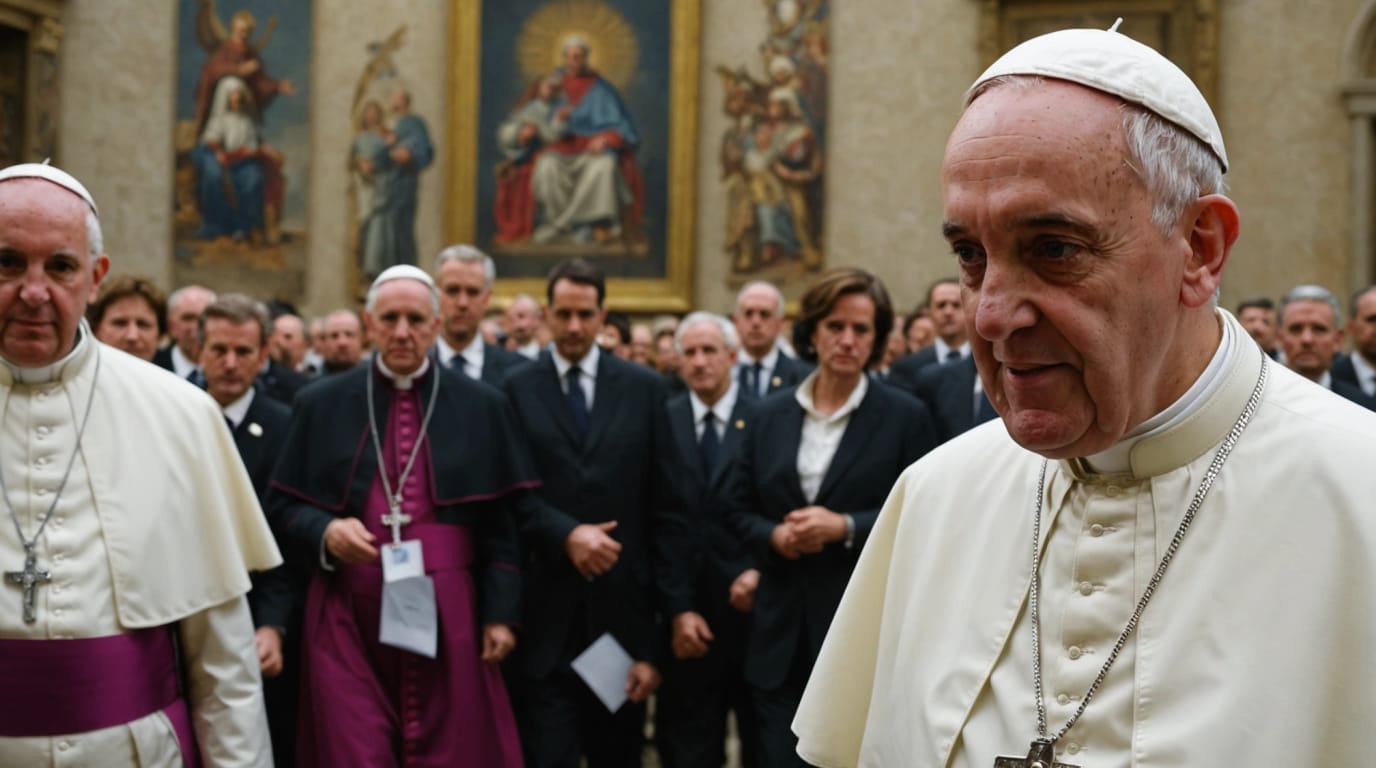
VATICAN CITY (AP) — Pope Francis, the 266th pontiff of the Roman Catholic Church and a transformative figure known for his humility, progressive views, and dedication to the poor, died Monday at his Vatican residence. He was 88.
Cardinal Kevin Farrell, the Vatican camerlengo, made the announcement on the Vatican's television channel, stating that Pope Francis passed away at 7:35 a.m. local time. The death of the pontiff, who led the world's 1.3 billion Catholics, marks the beginning of a period of mourning and transition for the Church.
A Pontificate Marked by Reform
Elected in March 2013, Pope Francis, formerly Cardinal Jorge Mario Bergoglio of Buenos Aires, Argentina, was the first Latin American pope and the first non-European to hold the office in over a millennium. His papacy was characterized by efforts to modernize the Church, address social injustices, and promote interfaith dialogue.
From the outset, Francis distinguished himself with his simple lifestyle, choosing to reside in the Vatican guesthouse rather than the opulent papal apartments. He championed the cause of the marginalized, advocating for refugees, migrants, and the impoverished. His encyclicals, including "Laudato Si'," a call to action on climate change, and "Evangelii Gaudium," an exhortation to spread the joy of the Gospel, resonated far beyond the Catholic community.
Pope Francis also initiated reforms within the Vatican bureaucracy, seeking to increase transparency and accountability. He addressed the Church's sexual abuse crisis with a renewed commitment to supporting victims and holding perpetrators accountable. These efforts, while praised by many, also faced resistance from within the Church hierarchy.
Health Challenges and Recent Hospitalization
In recent years, Pope Francis faced a number of health challenges. He had a portion of one lung removed as a young man and suffered from recurring respiratory issues. In early February 2025, he was admitted to Rome's Gemelli hospital after suffering from bronchitis. Doctors later diagnosed him with bilateral pneumonia.
He spent 38 days in the hospital before returning to his residence at Casa Santa Marta in the Vatican to continue his recovery. While the Vatican initially reported improvements in his condition, including a slight improvement in his lungs and progress in his motor skills, voice, and breathing, his health remained fragile. He continued to use oxygen through a cannula for some time.
Despite his health struggles, Pope Francis remained active, continuing to lead the Church and address global issues. His determination to fulfill his duties, even in the face of physical limitations, was a testament to his unwavering commitment to his faith and his flock.
The Process of Succession
With the Pope's death, the Church now enters a period known as the "sede vacante," or vacant see. The governance of the Church is temporarily entrusted to the College of Cardinals. The Camerlengo, currently Cardinal Farrell, plays a key role in this period, officially confirming the Pope's death and overseeing the preparations for the election of a new pontiff.
The College of Cardinals will convene in a papal conclave to elect Pope Francis' successor. The cardinals, all under the age of 80, will be sequestered in the Vatican, and will cast secret ballots until one candidate receives a two-thirds majority. The election process is steeped in tradition and symbolism, reflecting the gravity of the task.
The identity of the next pope remains uncertain. Potential candidates, often referred to as "papabile," come from diverse backgrounds and represent different perspectives within the Church. The conclave will weigh the challenges facing the Church and seek a leader who can guide it through a complex and rapidly changing world.
A Legacy of Compassion and Change
Pope Francis leaves behind a complex and enduring legacy. He will be remembered for his compassion, his commitment to social justice, and his efforts to reform the Catholic Church. His papacy challenged traditional norms and sparked important conversations about the role of the Church in the 21st century.
His emphasis on mercy, forgiveness, and outreach to the marginalized resonated with people of all faiths and backgrounds. He inspired many to live more compassionate lives and to work for a more just and equitable world.
As the Church mourns his passing and prepares to choose his successor, the impact of Pope Francis' papacy will continue to be felt for generations to come. His vision of a Church that is open, inclusive, and focused on serving the needs of others will undoubtedly shape the future of Catholicism.


