Pope Francis Faces New Respiratory Setbacks, Briefly Returns to Ventilation
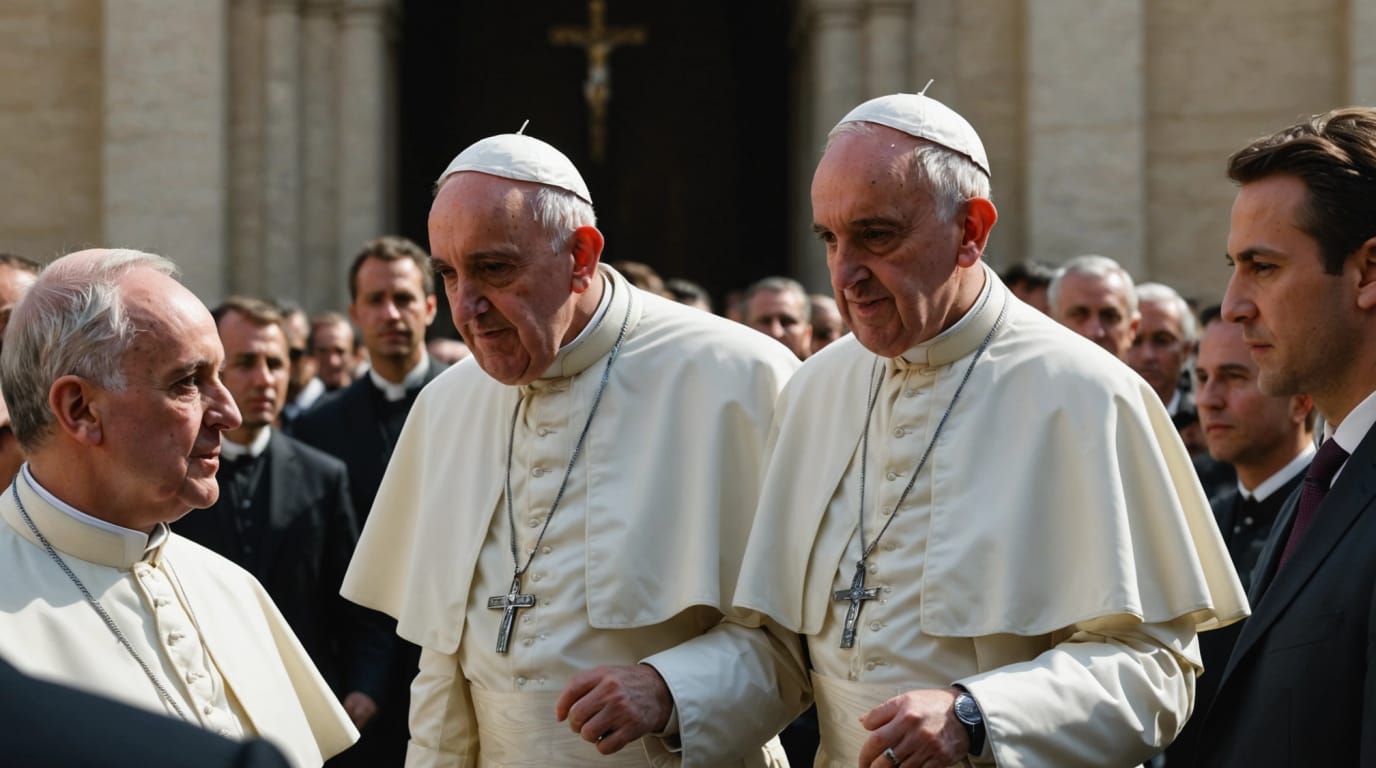
Pope Francis, 88, experienced renewed breathing difficulties Monday, requiring a return to noninvasive mechanical ventilation as he continues his recovery from pneumonia, according to the Vatican. The pontiff, who has been hospitalized since Feb. 14 with a lung infection, underwent two bronchoscopies to clear a significant accumulation of mucus from his lungs. While the Vatican maintains that Pope Francis remains alert and oriented, the recurrence of respiratory issues has raised concerns about his overall health and prolonged his absence from public duties.
Bronchoscopies and Ventilation
During the bronchoscopies, doctors extracted what they described as "copious secretions" from the Pope's lungs. The Vatican clarified that the mucus was a reaction to the initial pneumonia infection and not indicative of a new infection, citing laboratory tests. Following the procedures, Pope Francis was placed back on noninvasive mechanical ventilation, a method that uses a mask to deliver oxygen to the lungs.
Just a day prior, the Vatican had reported that the Pope was in stable condition and no longer required mechanical ventilation, signaling an improvement in his breathing function. He was, however, still receiving high-flow supplemental oxygen. This latest development marks a setback in his recovery and underscores the complexity of his respiratory condition.
A History of Lung Issues
Pope Francis has a history of lung problems, having had part of one lung removed during his youth. This pre-existing condition makes him particularly vulnerable to respiratory infections and complications. The current pneumonia diagnosis, coupled with his advanced age, has presented a significant challenge to his health.
The Pope's ongoing health struggles have led to his longest absence from the public eye since assuming the papacy 12 years ago. The Vatican has defended his decision to recover privately, but the lack of recent photos or videos has fueled speculation and concern among the faithful.
Prayers and Messages from the Hospital
Despite his health challenges, Pope Francis has remained engaged with Vatican affairs and has expressed his gratitude for the outpouring of support he has received. Even from his hospital bed, he continues to meet with key Vatican officials, including Cardinal Pietro Parolin, the Vatican secretary of state, and Archbishop Edgar Pena Parra, his chief of staff.
Last Sunday, the Vatican distributed a message written by the Pope from Gemelli Hospital, where he thanked his doctors and well-wishers and reiterated his calls for peace in Ukraine and other conflict zones. "From here, war appears even more absurd," he wrote, reflecting on the suffering he witnesses around the world. He also shared that his hospitalization has given him a profound sense of solidarity with those who are sick and suffering.
A Guarded Prognosis
While the Vatican has provided regular updates on the Pope's condition, doctors have maintained a guarded prognosis, indicating that he is not yet out of danger. The complexity of his respiratory issues, combined with his age and medical history, necessitates careful monitoring and treatment.
The Pope's recent coughing fit, during which he inhaled vomit, further complicated his recovery. Doctors were able to aspirate the vomit and provide respiratory support, but the incident highlighted the fragility of his condition.
The Future of the Papacy
Pope Francis's health concerns have inevitably raised questions about the future of the papacy. While he has repeatedly stated his intention to continue serving as Pope for as long as he is able, his recent health challenges have prompted discussions about potential succession plans within the Catholic Church.
There is no clear protocol for the resignation or incapacitation of a Pope, and the decision ultimately rests with the individual pontiff. However, the Church has faced similar situations in the past, and there are established procedures for electing a new Pope in the event of a vacancy.
Conclusion
Pope Francis's recent respiratory setbacks serve as a reminder of his advanced age and the challenges he faces in maintaining his health. While the Vatican has assured the public that he remains alert and engaged, the recurrence of breathing difficulties underscores the seriousness of his condition. As he continues his recovery, the world watches and prays for his well-being, while also contemplating the future of the Catholic Church. The coming days and weeks will be crucial in determining the trajectory of his recovery and the implications for his papacy.


