Pope Francis' Health Condition Remains Stable But Complex After Pneumonia
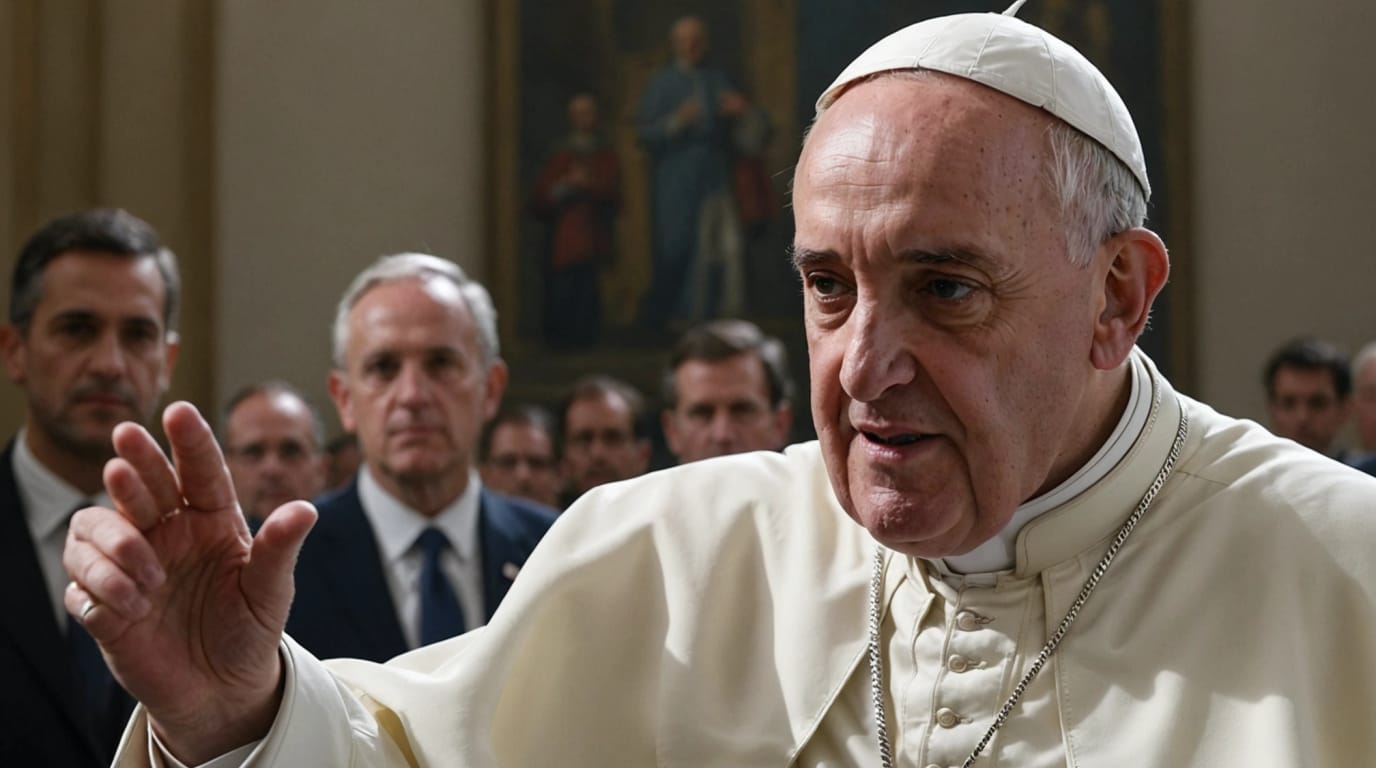
Pope Francis, 88, is continuing his recovery at Rome's Gemelli Hospital, where he is being treated for bilateral pneumonia. While recent reports indicate a stable condition, the Vatican has emphasized the situation remains complex, and his prognosis is still guarded. The pontiff was admitted to the hospital on February 14, after suffering respiratory issues that developed into pneumonia, raising concerns across the globe for the leader of the world's 1.4 billion Catholics.
Daily Life in Hospital
Despite his illness, Pope Francis has maintained a degree of activity during his hospital stay. On Wednesday, March 5, he participated in the rite of the blessing of the Sacred Ashes from his private apartment on the 10th floor of the hospital, marking the start of Lent. He also received the Eucharist and engaged in some work activities. According to Vatican News, he even made a phone call to Father Gabriel Romanelli, the parish priest of the Holy Family Church in Gaza, demonstrating his continued concern for global issues even while hospitalized.
The Pope's daily routine includes respiratory and active motor physiotherapy. He has been spending time in an armchair and alternating between periods of rest and work. Medical updates indicate that he is using supplemental, high-flow oxygenation and resuming non-invasive mechanical ventilation at night.
Medical Updates and Treatment
The Holy See Press Office has been providing regular updates on the Pope's health. As of Friday, March 7, the Vatican reported that Pope Francis had a restful night and woke up shortly after 8:00 a.m. He is continuing his prescribed therapy, alternating between mechanical ventilation at night and high-flow supplemental oxygen during the day.
Doctors have noted the absence of respiratory insufficiency episodes in recent days, but they also emphasize that further evaluations are needed. An informed Vatican source stated that doctors are treating "the ordinary development of the pneumonia," but recovery time varies from patient to patient.
Earlier in the week, on Monday, March 3, the Pope experienced two episodes of acute respiratory failure due to a build-up of mucus. He underwent two bronchoscopies to address this issue. Dr. John Coleman, a pulmonary critical care doctor at Northwestern Medicine in Chicago, who is not involved in the Pope's treatment, noted that the need for manual removal of mucus is concerning, suggesting the Pope is not clearing secretions on his own.
A History of Respiratory Issues
This is not Pope Francis' first encounter with respiratory problems. He had part of a lung removed when he was a young man. In the days leading up to his hospitalization, he had experienced breathlessness and struggled to read texts. On February 22, he suffered a "prolonged asthmatic respiratory crisis," and on February 28, he had "an isolated crisis of bronchospasm."
His history of lung issues adds complexity to his current condition and contributes to the guarded prognosis issued by his medical team.
Global Prayers and Support
News of Pope Francis' illness has prompted an outpouring of prayers and well wishes from around the world. Christians in Argentina and elsewhere are praying for his recovery during the Lent season. Before the beginning of the nightly Rosary held in St. Peter's Square, Pope Francis sent an audio message expressing his gratitude for the prayers and support he has received. He assured people that he is accompanying them from the hospital and extended a blessing to everyone.
Looking Ahead
While Pope Francis' condition is currently stable, the Vatican is proceeding cautiously. The next medical bulletin is expected on Saturday, March 8, but the Press Office will continue to provide brief updates in the meantime. The Pope's continued activity and engagement, despite his illness, offer a sign of hope, but the complexity of his condition necessitates ongoing monitoring and treatment. His current hospitalization marks his longest stay in the hospital during his papacy. While it does not exceed the record set by Pope John Paul II in 1981, it underscores the seriousness of his current health challenges.


