Pope Francis's Legacy: A Mixed Record on Poverty
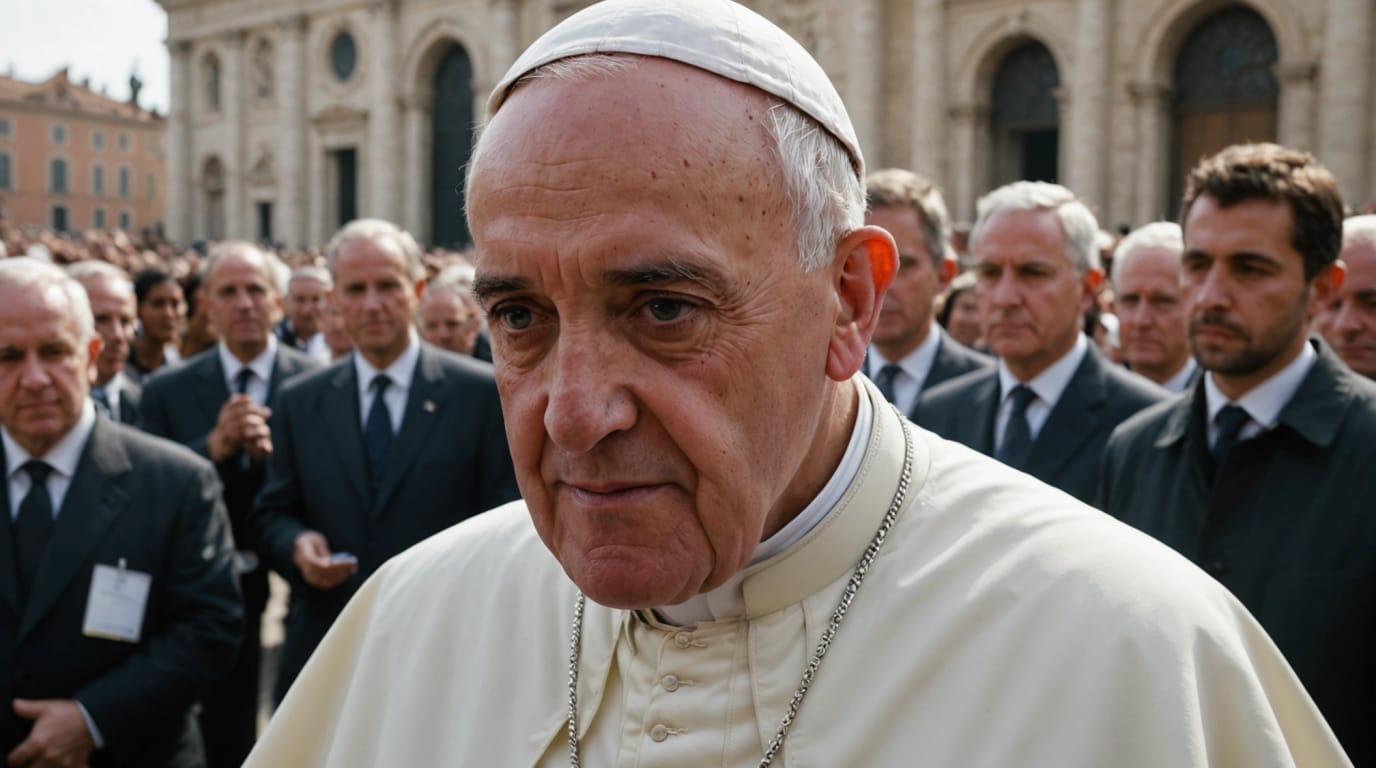
Pope Francis, who passed away on Monday at the age of 88, leaves behind a complex legacy, particularly concerning his self-proclaimed mission to be a "pope of the poor." While he undoubtedly brought renewed attention to the plight of the marginalized and implemented some impactful initiatives, critics argue that his efforts fell short of systemic change and failed to fully address the root causes of global poverty.
A Pontiff for the Peripheries
From the outset of his papacy in 2013, Jorge Mario Bergoglio, the first Latin American pope, signaled a shift in priorities for the Catholic Church. Choosing the name Francis, in homage to St. Francis of Assisi, the "little poor man," he embraced a humble style, rejecting the opulent Papal Apartments for a modest room in the Vatican guest house. His first Holy Thursday was spent not in St. Peter's Basilica, but in a youth prison, where he washed the feet of inmates, including Muslims and women, a powerful symbol of inclusion and service.
This focus on the "peripheries," as he called them, resonated deeply with many Catholics and non-Catholics alike. He consistently spoke out against economic inequality, the exploitation of workers, and the destruction of the environment, framing these issues as interconnected and morally unacceptable. His encyclical Laudato Si', published in 2015, was a landmark document that called for urgent action on climate change and environmental degradation, linking them to the suffering of the poor and vulnerable.
Concrete Actions and Symbolic Gestures
Beyond rhetoric, Pope Francis initiated several concrete actions aimed at alleviating poverty. He opened Vatican facilities to the homeless, provided aid to refugees and migrants, and established a Vatican office dedicated to charity. He also championed microfinance initiatives and supported fair trade practices.
His symbolic gestures often carried significant weight. He frequently met with marginalized groups, listened to their stories, and amplified their voices. He denounced human trafficking as a crime against humanity and called for greater efforts to combat it. He challenged the excesses of consumerism and urged individuals to live more simply and sustainably.
Criticisms and Shortcomings
Despite these efforts, Pope Francis faced criticism for not doing enough to dismantle the structural injustices that perpetuate poverty. Some argued that his focus on charity and individual acts of kindness, while commendable, did not address the systemic issues of global capitalism, corruption, and political inequality.
Critics also pointed to the Vatican's own wealth and financial practices, arguing that the Church could do more to redistribute its resources and invest in poverty reduction programs. Concerns were raised about the lack of transparency and accountability in the Vatican's financial dealings, hindering its ability to effectively combat poverty.
Furthermore, some questioned the effectiveness of the Pope's pronouncements on economic issues, arguing that they lacked concrete policy recommendations and failed to translate into meaningful change on the ground. They suggested that the Pope could have used his influence to advocate for specific legislative reforms and hold governments accountable for their actions.
A Mixed Legacy
Pope Francis's legacy as a "pope of the poor" is therefore a mixed one. He undoubtedly raised awareness of poverty and inequality, inspired countless individuals to engage in acts of charity and solidarity, and challenged the dominant economic paradigm. However, he also faced criticism for not doing enough to address the root causes of poverty and for failing to fully utilize the Church's resources to combat it.
His emphasis on personal conversion and moral responsibility, while important, may have overshadowed the need for systemic change and political action. Whether his efforts will ultimately lead to a more just and equitable world remains to be seen.
The Path Forward
As the Catholic Church and the world reflect on Pope Francis's legacy, it is crucial to build upon his achievements and address his shortcomings. This requires a multi-faceted approach that combines individual acts of charity with systemic reforms, political advocacy, and a commitment to economic justice.
It also requires greater transparency and accountability within the Church itself, ensuring that its resources are used effectively to alleviate poverty and promote human dignity. Only then can the promise of a "pope of the poor" be fully realized.


