Portugal Navigates Energy Hurdles Amidst Exploding Data Center Industry
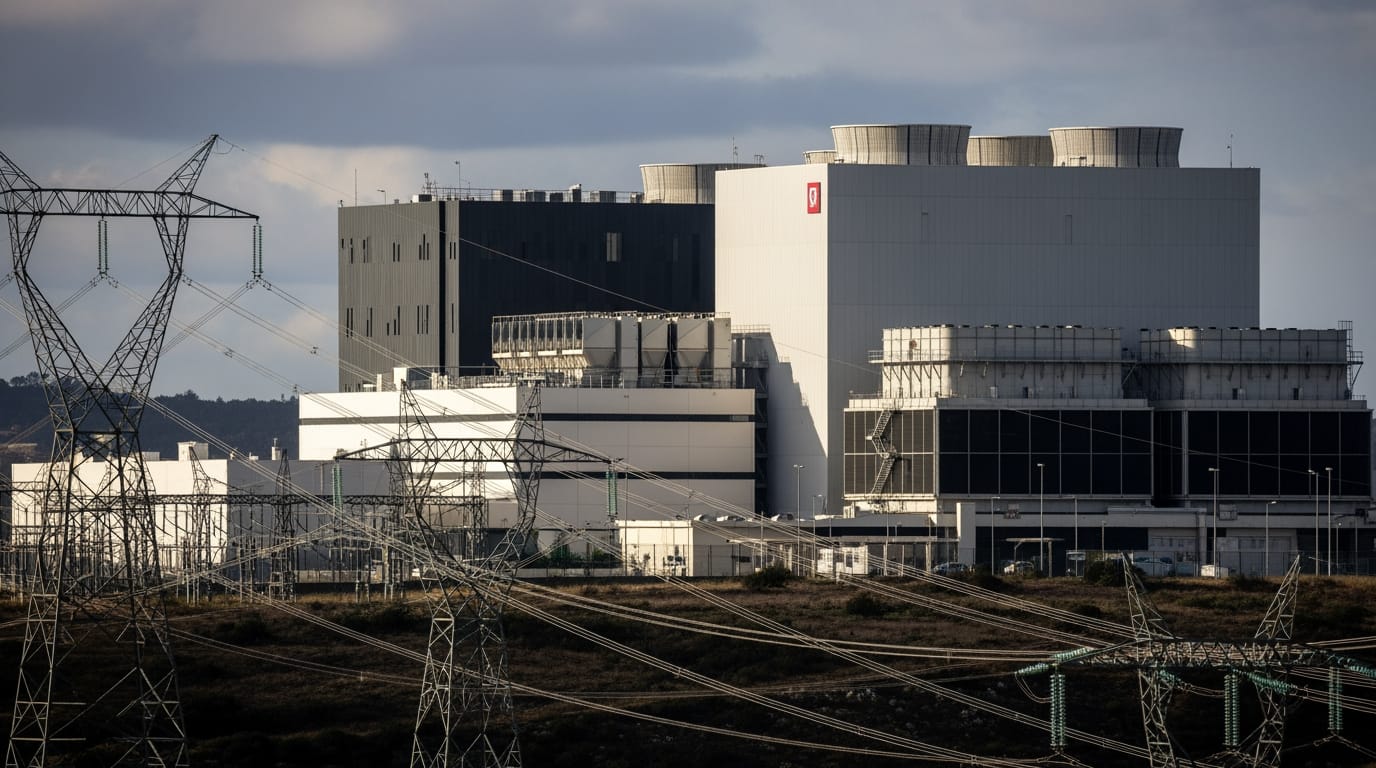
LISBON – Portugal is rapidly emerging as a burgeoning hub for the global data center industry, positioning itself as a critical digital gateway connecting Europe, Africa, and the Americas. This ambitious push, fueled by substantial international investments and the strategic advantage of numerous submarine cable landing points, promises to inject billions into the national economy and create thousands of jobs. However, this digital gold rush arrives with a significant energy paradox, as the nation grapples with the immense power demands of these facilities against the backdrop of its advanced, yet still evolving, renewable energy infrastructure.
The Digital Deluge: Portugal's Ascent as a Data Powerhouse
Portugal's data center market is experiencing an unprecedented surge, with its valuation projected to skyrocket from $947 million in 2024 to an estimated $3.09 billion by 2030, reflecting a compound annual growth rate (CAGR) of 21.84%. This expansion is driven by more than €12 billion in anticipated investments over the next five years, with approximately 80% earmarked for AI-driven infrastructure. The sector's contribution to Portugal's Gross Domestic Product (GDP) is forecast to leap from €160 million in 2024 to €3.7 billion by 2031, a twenty-three-fold increase that underscores the transformative potential for the national economy. Some analyses suggest the sector could contribute up to €26 billion to national GDP by 2030.
The boom is also expected to be a significant job creator, with projections of around 9,400 full-time positions by 2031 across engineering, construction, and facility operations. Broader estimates suggest up to 50,000 direct and indirect jobs could be generated by 2030. Key to this growth are flagship projects like the Start Campus in Sines, a monumental €8.5 billion investment designed to become one of Europe's largest colocation sites with a planned capacity of 1.2 gigawatts (GW). Its first 26-megawatt (MW) facility (SIN01) became operational in late 2024, with another 180 MW facility (SIN02) slated for late 2025 or 2026. Other significant developments include AtlasEdge's 9.3 MW facility in Carnaxide, Merlin Properties' 180 MW project near Lisbon, and a planned €7 billion facility in Abrantes. Portugal's appeal is multi-faceted, stemming from its strategic geographical position as a landing point for major submarine cables, including Google Cloud's Nuvem and the 2Africa cables, which provide unparalleled connectivity to multiple continents. Additionally, competitive electricity prices and a moderate climate that reduces cooling requirements further enhance its attractiveness for data center operators.
The Energy Conundrum: Powering the Digital Future
Despite Portugal's leadership in renewable energy adoption, the sheer scale of the burgeoning data center industry presents substantial energy hurdles. Current IT power capacity stands at approximately 47.5 MW, but with over 310 MW in the development pipeline, the demands on the national grid are set to intensify dramatically. Experts warn that if all planned data centers materialize, the nation's energy consumption could triple, with annual power demands potentially reaching 8.5 terawatt-hours (TWh) by 2031 – an amount equivalent to the electricity consumption of Porto and Braga combined. Aurora Energy Research projects an even larger increase of 21 TWh by 2035 for the Iberian Peninsula's data centers.
The challenge is stark: investors currently seek 26.5 GW of energy, while the national grid's maximum production capacity is 23.4 GW. This disparity necessitates significant reinforcement and modernization of the electrical grid, including rapid substation upgrades, as highlighted by REN, the national grid operator. While Portugal has made remarkable progress in green energy, with over 70% of its electricity generated from renewable sources in 2023 and reaching 81% in Q1 2025, the intermittent nature of solar and wind power poses a unique challenge for data centers requiring a constant, stable, and uninterrupted power supply. Grid stability and the integration of diverse, sometimes variable, renewable sources are paramount to ensuring the continuous operations essential for digital infrastructure.
Beyond Power: Water, Workforce, and Red Tape
The energy demands are not the only strain placed on Portugal's resources. Data centers, especially those employing traditional cooling methods, consume vast quantities of water. This requirement becomes problematic in a country where drought alerts are increasingly common, particularly south of the Tagus River. While innovative cooling solutions are being adopted, the broader implications for water resources remain a concern.
Furthermore, the rapid growth of this high-tech sector is revealing a critical talent gap. Portugal produced only 6,500 new STEM graduates last year, a number far below the projected demand. This shortage forces recruiters to seek skilled professionals, such as electrical engineers, HVAC technicians, and cybersecurity analysts, from other countries, including Brazil, Spain, and Eastern Europe. Without a robust domestic talent pipeline, the industry faces the risk of salary inflation and potential constraints on its expansion.
Bureaucratic processes and a still-evolving regulatory landscape also present hurdles. While Portugal is viewed as an attractive alternative to saturated markets like the "FLAP-D" (Frankfurt, London, Amsterdam, Paris, Dublin) cities, it is not yet a specifically regulated market for data centers, leading to potential delays in project approvals. The complexity of navigating multiple official entities for licensing can impede the swift implementation of projects.
Forging a Sustainable Future: Solutions and Policy Frameworks
Recognizing these challenges, both the Portuguese government and industry leaders are actively pursuing strategies to balance digital growth with environmental sustainability and infrastructural resilience. Many new data centers are integrating advanced sustainable practices. The Start Campus in Sines, for instance, utilizes ocean water for cooling, contributing to its goal of achieving a Power Usage Effectiveness (PUE) of 1.1, a metric indicating exceptional energy efficiency. This facility, built on repurposed industrial land, operates on 100% renewable energy and demonstrated its resilience during a recent widespread power outage by maintaining uninterrupted services through sustainable backup systems fueled by hydrotreated vegetable oil (HVO). Similarly, AtlasEdge's Carnaxide campus operates entirely on renewable energy and recovers waste heat for district heating initiatives. The sector as a whole has pledged to achieve carbon neutrality by 2045, five years ahead of the broader EU mandate. Moreover, operators in Portugal are adhering to the EU's Climate Neutral Data Centre Pact, committing to responsible energy use, water conservation, and server reuse.
The Portuguese government is implementing a multi-pronged approach to support sustainable data center growth. The National Data-Centre Strategy aims to streamline grid investment, expedite permits for projects deemed of national interest, and offer targeted tax credits linked to energy efficiency. Under the Recovery and Resilience Plan (PRR), nearly €5 billion has been allocated for digital and green infrastructure, which could subsidize renewable energy projects and fiber networks. Legislation such as Decree-Law No. 84/2024, enacted in November 2024, mandates reporting obligations for data centers exceeding 500 kW in installed IT power, requiring public disclosure of renewable energy consumption from various sources. For larger facilities, incentives are being developed to encourage the adoption of best practices outlined in the European Code of Conduct on Energy Efficiency in Data Centres. Additionally, Decree-Law No. 80/2023 provides an exceptional procedure for allocating grid connection capacity in high-demand areas, helping to mitigate bottlenecks. Initiatives to simplify the licensing process for renewable energy projects and promote energy storage are also underway.
Industry collaboration, exemplified by partnerships like WElink Group's hybrid renewable energy solutions (solar, wind, and battery storage) and Siemens Energy's involvement with Start Campus, is crucial for developing stable and sustainable power supplies. The increasing use of Power Purchase Agreements (PPAs) is also vital for data centers to secure a consistent supply of clean energy. To address the talent shortage, the government is expanding digital-skills vouchers, and universities are developing micro-degrees in data-center operations.
Conclusion: A Model for Sustainable Digital Growth
Portugal's journey to becoming a leading digital hub in Europe is a testament to its strategic vision and natural advantages. The significant influx of investment, coupled with the commitment to renewable energy, paints a promising picture for economic growth and technological advancement. However, the path is not without its complexities. The nation faces the intricate task of rapidly expanding its energy infrastructure to meet burgeoning demand, ensuring grid stability for critical digital operations, managing water resources responsibly, and cultivating a skilled workforce.
By proactively addressing these energy hurdles through innovative technological solutions, robust policy frameworks, and strategic investments in infrastructure and human capital, Portugal aims to not only sustain its data center boom but also to emerge as a global model for how nations can achieve digital prosperity in a truly sustainable manner. The delicate balance between aggressive growth and environmental stewardship will define Portugal's role in the future of the global digital economy.