Powerful 7.4-Magnitude Earthquake Jolts Western Colombia, Triggering Widespread Shaking and Damage
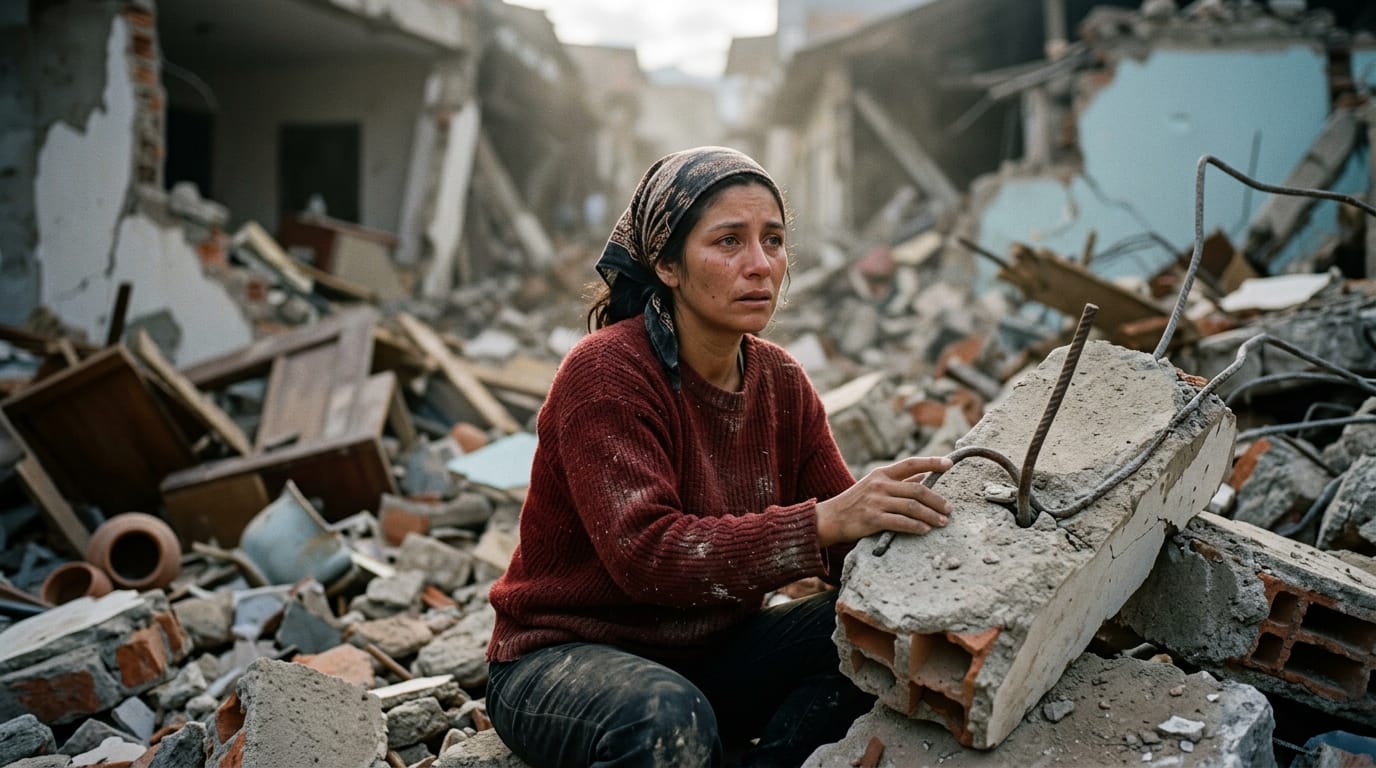
A potent earthquake, registering a magnitude of 7.4, struck western Colombia on Monday, August 10, 2026, causing injuries and significant structural damage, primarily in the Pacific province of Chocó. The seismic event, which sent tremors rippling across the nation and into neighboring Ecuador and Venezuela, prompted immediate evacuations as buildings swayed violently. Authorities have initiated urgent damage assessments as residents grapple with the aftermath of one of the strongest quakes to hit the region in recent memory.
The Earth Awakens: Details of the Devastating Tremor
The powerful earthquake struck at approximately 7:34 a.m. local time (12:34 UTC) on Monday, with its epicenter located near San José del Palmar, a municipality situated in the mountainous southwest of Chocó province. The United States Geological Survey (USGS) reported the quake's magnitude at 7.4 and estimated its depth to be around 107 kilometers (66 miles) below the Earth's surface. While Colombia's geological service and the National Unit for Disaster Risk Management (UNGRD) also reported on the event, with some initial estimates ranging from 6.6 to 7.2 magnitude and depths around 79 kilometers, the USGS figure of 7.4 has been widely cited as a benchmark for the significant energy released. The considerable depth of the rupture played a critical role in how its energy was distributed, allowing the shaking to be felt over a vast geographical area, including Colombia's capital, Bogotá, and stretching as far as Barranquilla on the Caribbean coast, and into major cities in Ecuador like Quito and Guayaquil. Despite the widespread sensation, the depth also mitigated the intensity of ground-level shaking in many distant locations, preventing more extensive collapses across a broader zone.
Quibdó Bears the Brunt: Injuries and Structural Compromises
The immediate and most severe impact of the earthquake has been concentrated in the Chocó department, particularly in its capital city, Quibdó. Governor Nubia Carolina Córdoba-Curi confirmed reports of injuries and extensive damage to buildings within the provincial capital shortly after the quake struck. While initial reports did not specify the number or severity of casualties, the confirmation of injuries underscores the human cost of the natural disaster. Residents described scenes of panic as the ground heaved, forcing many to flee homes and offices into the safety of open spaces.
Assessments are currently underway to determine the full extent of the structural damage. Early indications suggest that the predominant vulnerable building types in the affected region, which often include mud wall with wood and other miscellaneous construction, are particularly susceptible to earthquake shaking. This vulnerability heightens concerns for the safety and stability of residential and commercial structures in communities closest to the epicenter. Furthermore, the USGS PAGER alert system indicated that the population in the affected region resides in structures vulnerable to seismic activity. The long-term implications for housing, public infrastructure, and the daily lives of residents in Chocó will become clearer as detailed evaluations proceed.
Urgent Response and Looming Concerns
In the immediate aftermath, emergency protocols were activated across Colombia. The National Unit for Disaster Risk Management (UNGRD) announced it was in constant communication with local authorities throughout the affected departments to verify potential damage and coordinate response efforts. Rescue teams and aid organizations are preparing to deploy to the hardest-hit areas, prioritizing search-and-rescue operations and providing assistance to those displaced or injured. Governor Córdoba-Curi also voiced significant concern regarding the potential for aftershocks, a common and dangerous follow-up to major seismic events, which could further destabilize already compromised structures and pose additional risks to residents and first responders.
Beyond the direct structural damage, experts are monitoring for secondary hazards. The region's topography and geological conditions make it prone to landslides and liquefaction, especially after significant ground shaking. These secondary events can compound the initial destruction, isolate communities, and hinder relief efforts by damaging roads and infrastructure. Such hazards represent an additional layer of complexity for emergency management agencies striving to deliver aid and restore normalcy to the affected populations.
Colombia's Tectonic Landscape: A History of Seismic Activity
Colombia lies at a complex juncture of several tectonic plates, making it one of the most seismically active countries in the world. The primary driver of this activity in western Colombia is the subduction zone where the Nazca Plate (also referred to historically as the Malpelo Plate) is continuously diving beneath the South American Plate at a rate of approximately 7 centimeters per year. This ongoing geological process generates immense stress that, when released, results in frequent and often powerful earthquakes along the Pacific coast and the Andean regions. While the present quake's depth prevented a tsunami threat, as confirmed by the Pacific Tsunami Warning Center, historical events off the Colombian Pacific coast have occasionally triggered smaller tsunamis, underscoring the dynamic nature of the region.
Historically, Colombia has experienced numerous significant earthquakes. Since 1950, over 3,500 people have died as a direct result of seismic activity in the country. Earthquakes of magnitude 7 or greater occur statistically about every 11 years, with events of magnitude 6 or higher occurring roughly every three years. Notable past events include the devastating 1999 Armenia earthquake and the much older 1875 Cúcuta earthquake, which caused thousands of fatalities. The nation's vulnerability to such events necessitates robust building codes and continuous preparedness efforts, particularly in densely populated areas and regions with less resilient infrastructure.
The Long Road to Recovery
As the immediate shock subsides, the focus will inevitably shift towards the protracted process of recovery and rebuilding. The powerful earthquake in western Colombia serves as a stark reminder of the geological forces constantly at play in the region. While the initial reports point to injuries and significant structural damage, the full humanitarian and economic toll will emerge in the coming days and weeks. The resilience of the affected communities, coupled with coordinated efforts from national and international agencies, will be crucial in overcoming the extensive challenges presented by this latest natural disaster. The event highlights the ongoing need for robust seismic monitoring, emergency preparedness, and the construction of infrastructure capable of withstanding the powerful tremors inherent to this seismically active corner of South America.


