Prague Erupts in Mass Protest Over Democracy Concerns Amidst Babiš's Return
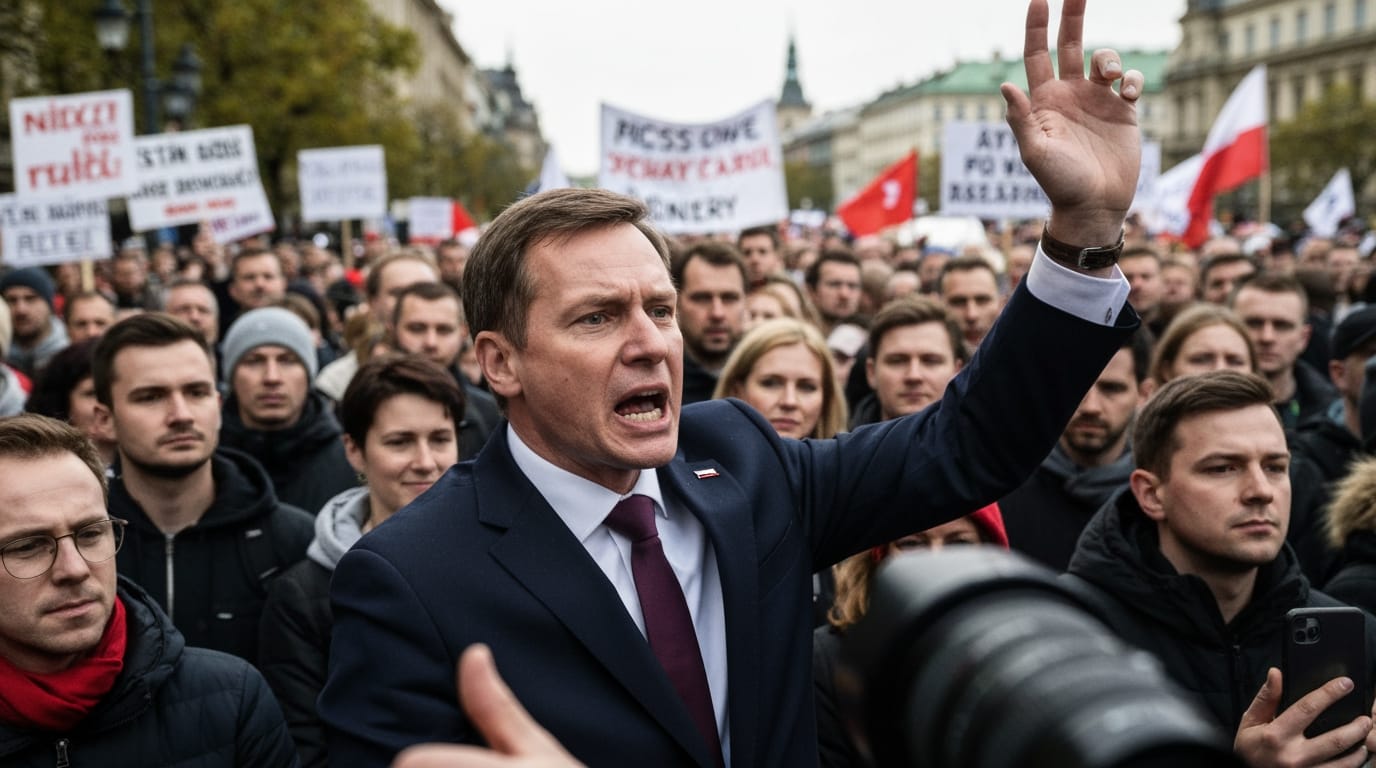
PRAGUE – Tens of thousands of Czech citizens converged on Prague's historic Letná Plain on Saturday, March 21, 2026, to voice profound concerns over the direction of the nation's democracy under the newly formed government of Prime Minister Andrej Babiš. The massive demonstration, reminiscent of the country's pivotal gatherings during the Velvet Revolution, highlighted widespread apprehension regarding potential democratic backsliding, shifts in foreign policy, and threats to the independence of public media.
The peaceful protest, estimated by organizers at 200,000 attendees and by the Associated Press at 250,000, marked one of the largest anti-government rallies seen in the Czech Republic since 2019. Waving Czech national flags and banners proclaiming "Let's defend democracy," demonstrators expressed collective unease that Babiš, a billionaire and his coalition cabinet, are steering the nation away from its Western democratic alignment and toward a more autocratic and pro-Russia stance.
A Nation's Unease: The Rally at Letná
The iconic Letná Plain, a site historically associated with major public expressions of dissent, once again became the epicenter of national debate. The sheer scale of the gathering underscored the intensity of public sentiment. Participants from across the Czech Republic traveled to the capital, filling the vast expanse with a sea of national colors and signs reflecting their grievances. The atmosphere, while resolute, remained peaceful, with the unified message centered on the protection of democratic institutions and the rule of law.
The immediate catalyst for Saturday's protest appears to be a recent decision by the lower house of parliament to reject a motion to lift Prime Minister Babiš's immunity from prosecution in connection with an alleged $2 million fraud case involving European Union subsidies. This parliamentary move reignited long-standing public frustration over accusations of financial impropriety that have shadowed Babiš's political career. However, the rally's scope extended far beyond this single incident, encompassing a broader spectrum of anxieties about the government's policies and legislative agenda.
The Return of Babiš and Shifting Political Winds
Andrej Babiš, leader of the populist ANO (YES) movement, returned to power following a victory in the country's October election. His new coalition government was formed with two smaller political groups: the anti-migrant Freedom and Direct Democracy party and the right-wing Motorists for Themselves. This new political alignment has sparked alarm among critics who fear a departure from established Czech foreign and domestic policy trajectories.
Babiš's previous tenures have been marked by controversies, including the aforementioned fraud allegations and concerns over his vast business empire posing potential conflicts of interest. His current government's stated positions have further fueled democratic anxieties. He has publicly opposed certain key European Union policies concerning the environment and migration. More critically, he has rejected financial aid for Ukraine and guarantees for EU loans to the country actively engaged in defending against the Russian invasion. This stance places the Czech Republic, under Babiš, in alignment with leaders like Hungarian Prime Minister Viktor Orbán and Slovak Prime Minister Robert Fico, who have adopted similar critical positions towards Kyiv and the EU. Demonstrators specifically accused Babiš of democratic backsliding, citing these foreign and domestic policy shifts toward what they perceive as more pro-Russia positions.
Threats to Independent Institutions
A significant portion of the protesters' concerns revolved around proposed legislative changes that critics argue would undermine fundamental democratic institutions. One particularly contentious plan involves a bill that many believe is inspired by Russia's controversial "foreign agents" law. This proposed legislation would require non-governmental organizations and individuals involved in vaguely defined "political activity" and receiving foreign aid to register or face substantial fines. Opponents of the bill argue it could severely restrict civil society, suppress dissent, and label independent voices as foreign-influenced, thereby stifling critical debate essential for a healthy democracy.
Another major point of contention is the government's intention to change the funding mechanisms for public radio and television. Critics fear this move is designed to give the government greater control over public broadcasters, compromising their editorial independence and transforming them into tools for state propaganda. The independence of public media is widely considered a cornerstone of democratic accountability, providing citizens with unbiased information and platforms for diverse viewpoints. Efforts to centralize control over these outlets are thus viewed with extreme suspicion by those advocating for democratic safeguards.
A History of Protest and the Path Forward
The recent rally on Letná Plain is not an isolated event but rather the latest expression of a recurring pattern of public opposition to Andrej Babiš's leadership. In 2019, hundreds of thousands of Czechs also gathered on the same plain, demanding Babiš's resignation over allegations of graft and conflict of interest. That protest, organized by the NGO "Million Moments for Democracy," was then described as the largest since the fall of communism in 1989. The consistent scale of these demonstrations underscores a deep-seated public vigilance regarding democratic principles and governance in the Czech Republic.
The organizers of Saturday's rally indicated that more protests are planned, signaling that the movement against the government's perceived authoritarian tendencies and policy shifts is likely to continue. The outpouring of public sentiment in Prague suggests that a significant segment of Czech society remains highly engaged in defending what they view as core democratic values and the nation's pro-Western orientation. The coming months will likely test the resolve of both the government and the protest movement as the proposed legislative changes and policy decisions unfold. The question remains whether the Babiš administration will heed these widespread public demands or continue on its present course, potentially deepening the fissures within Czech society and further challenging the nation's democratic trajectory.


