Precious Metals Markets Rocked by Sudden Collapse: Gold and Silver Plummet Amid Hawkish Fed Outlook and Mass Profit-Taking
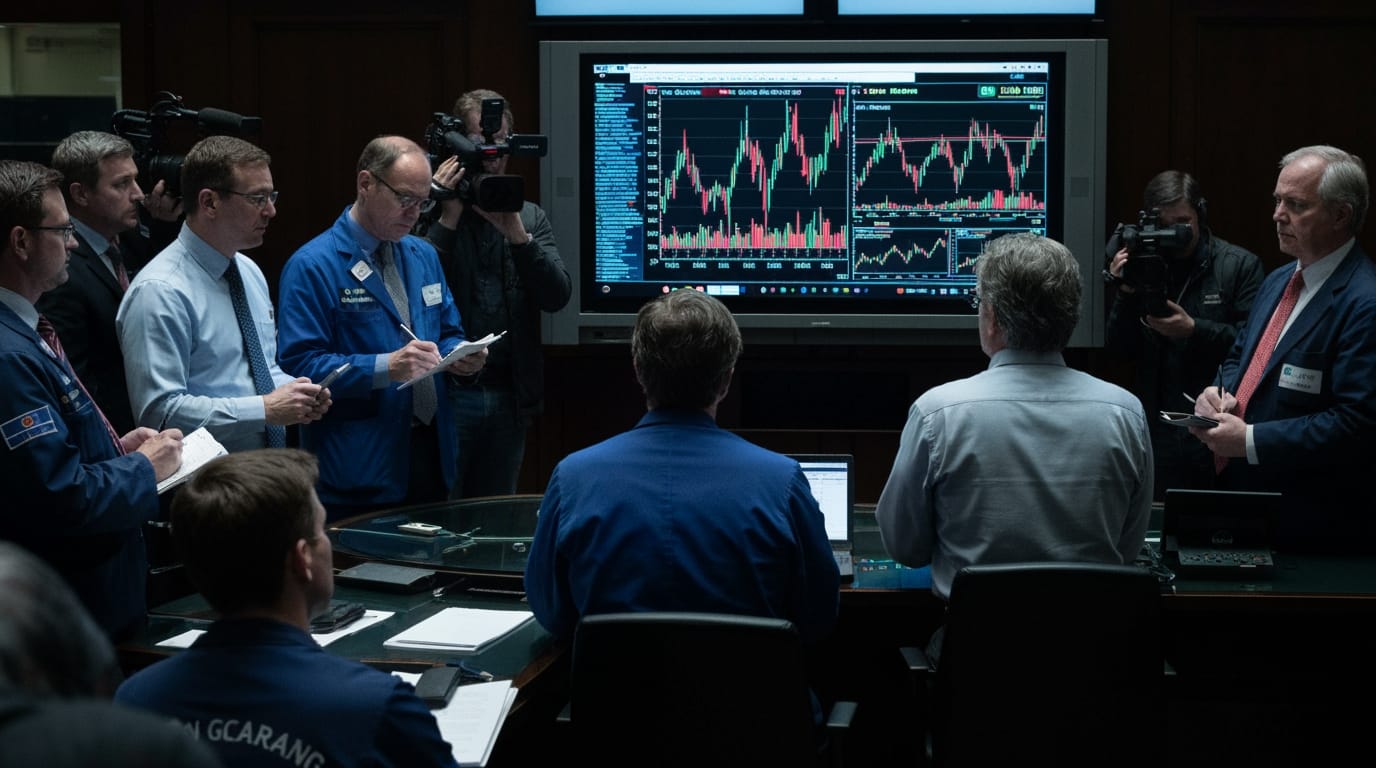
Global precious metals markets experienced a dramatic and sudden downturn in late January and early February 2026, with gold and silver prices plummeting after an extended period of record-breaking rallies. The swift sell-off, which saw silver endure its steepest daily decline since 1980, wiped an estimated $15 trillion from the markets, sending shockwaves through investor communities worldwide. The confluence of a hawkish shift in U.S. monetary policy expectations, a surging dollar, and widespread profit-taking from overheated markets is cited as the primary catalyst for this precipitous drop.
The Precipitous Plunge: A Historic Correction Unfolds
The dramatic correction began around January 30, 2026, following a period where both gold and silver had reached multi-year or even all-time highs. Gold, which had traded above $5,500 per ounce just days prior, saw its price fall significantly, dropping as much as 8% to 12% in a single day, reaching lows around $4,745, and even touching $4,400 in subsequent trading.
Silver, often referred to as the "Devil's Metal" due to its heightened volatility, suffered an even more severe blow. After soaring above $110 and even touching $121 per ounce in recent days, it crashed by a staggering 13% to 36% on January 30, closing around $78.531 per troy ounce for March contracts, and plummeting to intra-day lows of $71 to $78.29. This historic single-day decline for silver marked its worst performance since the March 1980 Hunt Brothers silver collapse. While both metals showed signs of recovery and extreme volatility on February 2, trading remained highly erratic.
The Fed Factor and the Dollar's Ascent
A primary trigger for the market's sudden reversal was the nomination of Kevin Warsh by U.S. President Donald Trump as the next Federal Reserve Chair on January 30, 2026. Warsh, known for his hawkish stance on inflation, immediately signaled expectations of tighter U.S. monetary policy. This development bolstered the U.S. dollar, making dollar-denominated commodities like gold and silver more expensive for holders of other currencies and thus less attractive.
The prospect of higher interest rates under a more hawkish Fed leadership increased the opportunity cost of holding non-yielding assets such as gold and silver. Investors typically favor yield-bearing assets when interest rates are rising, drawing capital away from precious metals. This shift in monetary policy outlook significantly contributed to the rapid unwinding of positions in the commodity markets.
Market Overheating and Forced Liquidation
The sharp declines also followed an intense period of speculative rallying in precious metals throughout 2025 and early 2026. Both gold and silver had exhibited "overbought" conditions, with their Relative Strength Index (RSI) indicating extreme optimism. Gold's RSI touched 90, and silver's even reached 93.86, its highest level since 1980. This rapid appreciation made the markets ripe for a correction, as many investors seized the opportunity to book substantial profits after the significant gains.
Adding fuel to the fire, the CME Group, a major commodities exchange, announced significant increases in margin requirements for COMEX gold and silver futures in late January 2026. For silver, margin requirements were raised by over 15%. These hikes substantially increased the cost of maintaining leveraged positions, forcing many traders to liquidate their holdings rapidly. This forced unwinding of positions amplified the selling pressure, turning a correction into a cascade.
Silver's Unique Vulnerabilities
While gold experienced a substantial decline, silver's collapse was particularly pronounced due to several intrinsic market characteristics. Silver has a dual role as both a monetary metal and an industrial commodity, with 50-55% of its global demand stemming from industrial applications such as solar panels, electronics, and automotive industries. In 2025, manufacturers rushed to secure supplies, contributing to silver's earlier rally. However, by early 2026, this urgency faded as supply chain visibility improved and demand forecasts for electronics softened.
Furthermore, the silver market is considered "structurally thin" compared to gold, meaning its daily trading value is significantly smaller. This inherent thinness can amplify price swings, especially when speculative positions are overcrowded. By late 2025, speculative net long positions in silver futures were near five-year highs, making the market highly susceptible to a sharp reversal when momentum shifted and liquidity dried up.
Navigating the Aftermath: Volatility and Uncertainty
In the immediate aftermath of the collapse, markets remain in a state of extreme volatility. On February 2, 2026, silver initially plunged by nearly 12% before staging a remarkable rebound of over 8%, while gold recovered approximately 1% after an earlier 4% drop. This demonstrates the intense investor sensitivity to ongoing geopolitical developments and monetary policy signals.
Analysts are divided on the path forward. Some view the recent downturn as a necessary correction within a broader bull market, arguing that the underlying trends supporting precious metals, such as geopolitical risks and potential currency debasement, remain intact. Others counsel caution, suggesting that heightened volatility is likely to persist through 2026 as market participants continue to digest policy signals and economic data. The coming weeks will be critical in determining whether this represents a temporary setback or a more significant shift in the trajectory of gold and silver prices.