Pressure Mounts for Wealth Tax on Africa's Super-Rich Amidst Growing Inequality
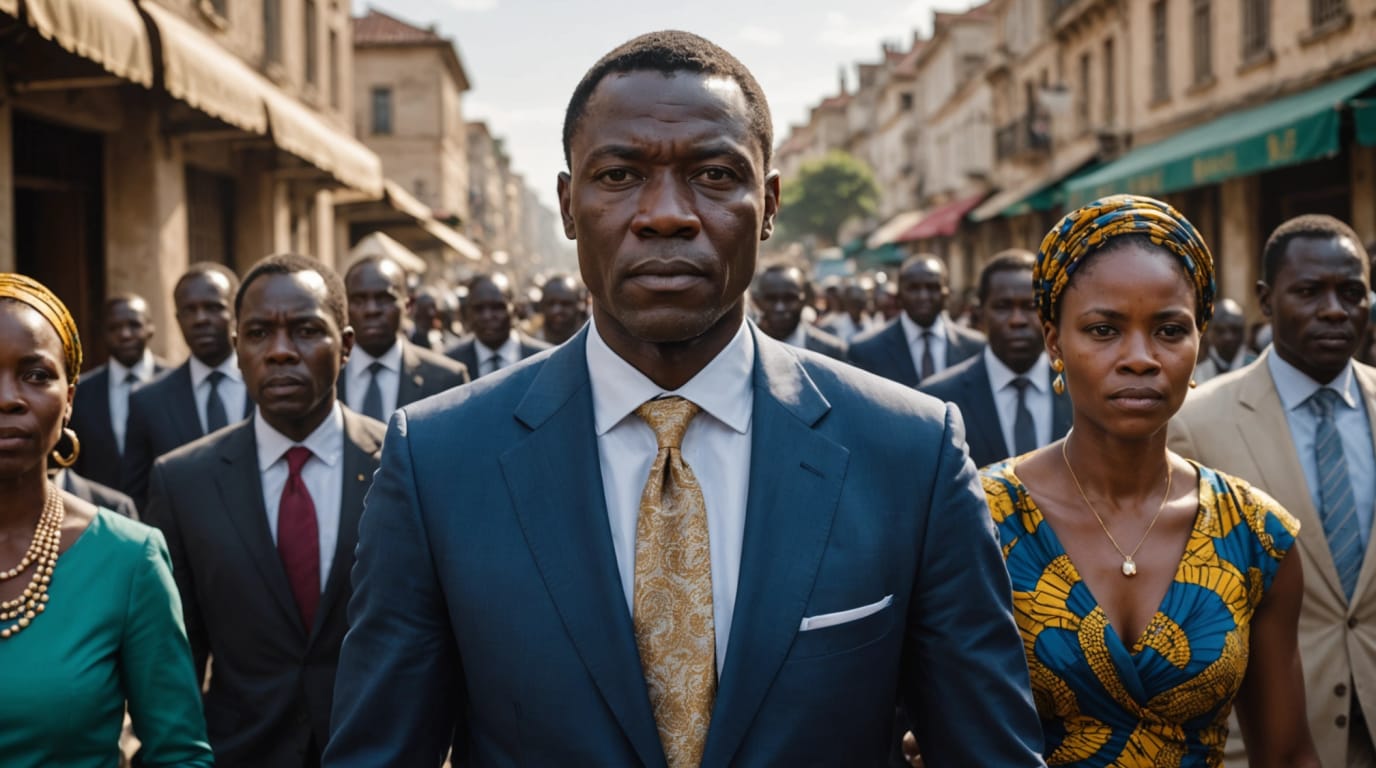
Calls for a wealth tax targeting Africa's super-rich are gaining momentum as a potential solution to address the continent's stark inequality and generate much-needed revenue for public services. The debate centers on whether such a tax is feasible and equitable, considering the challenges of implementation and the potential impact on investment and economic growth.
Africa grapples with some of the world's most extreme disparities in wealth distribution. A recent Oxfam report revealed that the continent's seven richest individuals possess more wealth than the poorest half of the population, approximately 700 million people. This concentration of wealth, coupled with widespread poverty and inadequate access to essential services, has fueled demands for governments to explore progressive taxation measures. The concept of a wealth tax, typically levied annually on the net value of an individual's assets, has emerged as a prominent proposal.
The Potential Benefits of a Wealth Tax
Proponents of a wealth tax argue that it could unlock significant financial resources for African governments. Oxfam estimates that a tax of up to 5% on Africa's super-rich could generate an annual $11.9 billion. These funds could be channeled into critical sectors such as healthcare, education, and infrastructure development, addressing pressing social needs and promoting inclusive growth.
Furthermore, advocates contend that a wealth tax could promote greater fairness in the tax system. They argue that the wealthy often have the means to avoid or evade taxes through sophisticated financial planning, while lower-income individuals bear a disproportionate burden. A wealth tax could help to level the playing field and ensure that the super-rich contribute their fair share to society.
The introduction of a wealth tax in some African countries is already underway. For example, Zimbabwe implemented a wealth tax starting January 1, 2024, targeting the country's wealthiest individuals to fund urban infrastructure upgrades and reduce inequality.
Challenges and Concerns
Despite the potential benefits, implementing a wealth tax in Africa faces significant hurdles. One major challenge is the difficulty of accurately valuing and tracking the assets of the super-rich. Wealth is often held in complex financial instruments, offshore accounts, and real estate, making it difficult for tax authorities to assess and collect the tax effectively.
Another concern is the potential for capital flight. Critics argue that a wealth tax could incentivize wealthy individuals and companies to move their assets and businesses to countries with more favorable tax regimes, ultimately reducing the tax base and harming economic growth. A Daily Investor article suggests that a wealth tax in South Africa could lead to an exodus of wealthy individuals and businesses.
Moreover, some argue that a wealth tax could discourage investment and entrepreneurship. They contend that it could reduce the incentive for individuals to accumulate wealth and create businesses, hindering economic development. Minerals Council chief economist Hugo Pienaar noted that South Africa has approximately 133,000 super-wealthy individuals with a taxable income exceeding R1.5 million. Imposing an excessively high tax to fund basic income grants could prompt many to relocate their businesses to more tax-friendly nations.
Alternative Perspectives and Solutions
While a wealth tax is a prominent proposal, other approaches to addressing inequality and raising revenue are also being considered. These include strengthening existing income tax systems, cracking down on tax evasion and avoidance, and improving the efficiency of public spending.
Some experts suggest focusing on broadening the tax base by bringing more high-net-worth individuals into the tax net. A 2016 report by the International Centre for Tax and Development (ICTD) noted that many wealthy individuals in Africa are not registered with tax authorities, resulting in significant revenue losses.
Additionally, addressing illicit financial flows is crucial. The United Nations Conference on Trade and Development (UNCTAD) estimates that illicit capital flows by government officials and high-net-worth individuals result in an annual revenue loss of $88.6 billion in Africa, equivalent to 3.7% of the continent's GDP.
Finding a Balanced Approach
The debate over a wealth tax in Africa highlights the complex challenges of addressing inequality and mobilizing resources for development. While a wealth tax may offer potential benefits, it is essential to carefully consider the potential drawbacks and implement it in a way that minimizes negative impacts on investment and economic growth.
Ultimately, a balanced approach is needed, combining progressive taxation measures with efforts to improve tax administration, combat tax evasion, and promote a more inclusive and sustainable economic model. This requires strong political will, effective regulatory frameworks, and international cooperation to ensure that the benefits of economic growth are shared more equitably across African societies.


