Prime Minister Modi Halves Convoy Size in Austerity Drive Amidst Economic Pressures
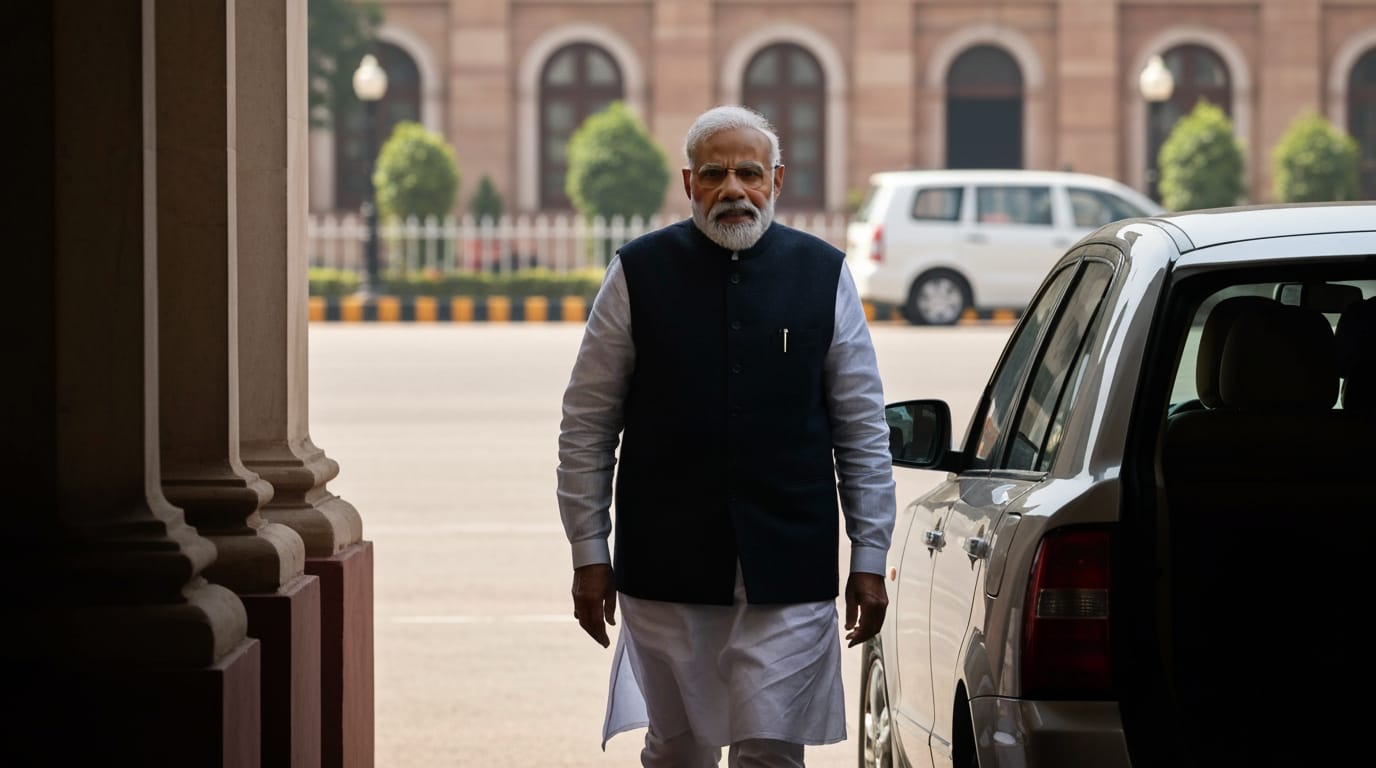
New Delhi, India – Prime Minister Narendra Modi has reportedly directed a significant reduction in the size of his official motorcade, signaling a broader push for austerity across the Indian government. This move, which includes cutting the number of vehicles in his convoy by nearly 50%, comes as India grapples with the economic fallout of the ongoing West Asia conflict and surging global energy prices. The Prime Minister's office has also encouraged the integration of electric vehicles into his fleet, specifically without incurring new procurement costs, emphasizing a commitment to both fiscal prudence and environmental sustainability.
This directive follows a series of public appeals by Prime Minister Modi, urging citizens to embrace austerity measures, conserve fuel, and reduce non-essential spending, particularly on imported goods like gold. The decision to lead by example is intended to instill a sense of shared responsibility and national duty amidst evolving global economic uncertainties.
A Call for National Prudence
The initiative to downsize the Prime Minister's convoy forms a crucial part of a comprehensive austerity drive championed by Prime Minister Modi. Sources indicate that the Special Protection Group (SPG), the elite force responsible for the Prime Minister's security, has already begun implementing the directive, with his motorcade visibly smaller during recent visits to states such as Gujarat and Assam. This reduction, while substantial, has been carefully executed to ensure that mandatory security protocols, as outlined in the "Blue Book," remain uncompromised.
The impetus for these measures stems from the escalating geopolitical tensions in West Asia, which have led to significant disruptions in global supply chains and a sharp increase in crude oil prices. India, a major importer of crude oil, faces considerable economic strain from these external factors. The Prime Minister, during a recent address in Hyderabad, urged the populace to prioritize national interest over personal comfort, advocating for measures such as increased use of public transportation, carpooling, working from home, and deferring non-essential foreign travel and gold purchases. Gold imports, for instance, constitute a significant portion of India's total import bill, second only to crude oil, making their reduction a key target for conserving foreign exchange.
Leading by Example: Government-Wide Adoption
The Prime Minister's personal initiative to reduce his convoy's footprint is intended to set a precedent for other government entities. Officials across various ministries and departments are reportedly engaged in discussions to identify further steps to curb fuel consumption and promote fiscal responsibility. These discussions include exploring options like encouraging metro travel, carpooling among government employees, and minimizing large official banquets.
The ripple effect of this top-down directive is already becoming apparent. Several Chief Ministers in BJP-ruled states, including Uttar Pradesh, Madhya Pradesh, and Rajasthan, have announced similar reductions in their official convoys. Additionally, Union Ministers have begun to review their travel patterns and vehicle usage, aligning with the broader conservation message. This concerted effort aims to create a culture of austerity that permeates all levels of governance, demonstrating that the call for conservation begins at the highest echelons.
Strategic Implications and Economic Resilience
The austerity measures are not merely symbolic but carry significant strategic implications for India's economic resilience. By reducing reliance on imported fuel and conserving foreign exchange reserves, the government aims to buffer the economy against external shocks. The emphasis on electric vehicles, even without new purchases, points to a long-term vision of sustainable practices and reduced dependence on fossil fuels.
Analysts suggest that such visible steps by the leadership can powerfully influence public behavior, fostering a collective commitment to national economic goals during challenging times. The narrative framed by the Prime Minister positions these austerity measures as a patriotic duty, underscoring the collective effort required to navigate global economic headwinds. This approach seeks to engage citizens directly in safeguarding the nation's economic stability, appealing to a sense of shared purpose and sacrifice.
Conclusion
Prime Minister Narendra Modi's directive to significantly reduce the size of his convoy marks a tangible step in the government's broader austerity push. This decision, driven by the imperative to conserve fuel and foreign exchange amidst global economic volatility, serves as a prominent example for government ministries, state leadership, and citizens alike. By integrating environmental considerations with fiscal responsibility and maintaining stringent security protocols, the move underscores a commitment to prudent governance. As India navigates a complex global economic landscape, the emphasis on collective effort and leading by example aims to foster resilience and a shared sense of responsibility among its populace.


