Prince Frederik of Luxembourg Dies at 22 After Battle With Rare Disease
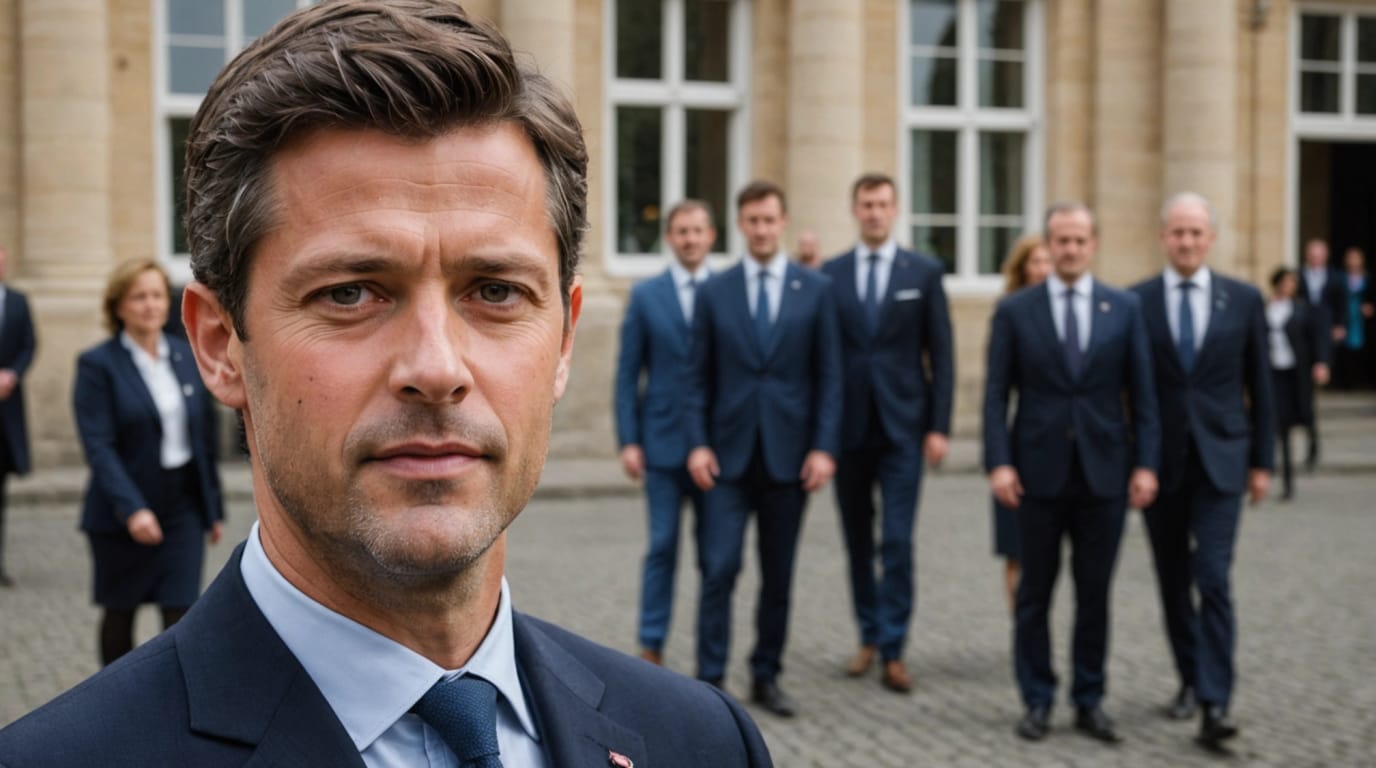
Prince Frederik of Luxembourg, the youngest son of Prince Robert of Luxembourg and Princess Julie of Nassau, has died at the age of 22 after a courageous battle with a rare genetic disease known as POLG. The prince passed away on March 1 in Paris, a day after Rare Disease Day, according to an announcement made by his father on March 7.
Prince Frederik was diagnosed with POLG at age 14. In 2022, he co-founded the POLG Foundation, where he served as creative director, dedicating himself to raising awareness and seeking treatments for the condition that ultimately claimed his life.
A Life Dedicated to Fighting POLG
POLG disease is a mitochondrial disorder caused by inherited mutations in the POLG gene, which is essential for replicating cells' genetic material and DNA repair. The incurable disease affects multiple organs, including the brain, nerves, muscles, and liver, leading to a wide range of debilitating symptoms. Experts compare the disease to a faulty battery that never fully recharges, constantly depleting energy and eventually losing power. While it is considered one of the most common inherited mitochondrial diseases, affecting approximately 1 in 10,000 people, it remains a rare condition.
Prince Robert, in his statement, lauded his son's resilience and determination. "Frederik fought his disease valiantly until the very end," he wrote. "His indomitable lust for life propelled him through the hardest of physical and mental challenges." He also acknowledged Frederik's ability to inspire and lead by example, considering him a "superhero."
The Impact of POLG Disease
The POLG Foundation website describes the disease as one that "robs the body's cells of energy, in turn causing progressive multiple organ dysfunction and failure." Symptoms can vary from mild to severe, including ophthalmoplegia, muscle weakness, epilepsy, and liver failure. The wide range of symptoms and lack of public awareness make it difficult to diagnose, even for physicians. Life expectancy for those diagnosed with POLG can range from three months to 12 years from the onset of the disease.
Doug Turnbull, a neurology professor at Newcastle University and a member of the POLG Foundation's scientific advisory board, described POLG deficiency as "the worst" of all mitochondrial diseases, noting its relentlessly progressive nature and its impact on various bodily systems.
A Final Farewell
According to Prince Robert, on February 28, Rare Disease Day, Frederik gathered his family to say his final goodbyes. He bid farewell to his brother, Alexander; his sister, Charlotte; his cousins, Charly, Louis, and Donall; his brother-in-law, Mansour; and his aunt and uncle, Charlotte and Mark.
Prince Robert shared a poignant moment from their last conversation: "Frederik's last question to me, prior to his other remarks was: 'Papa, are you proud of me?' He had barely been able to speak for several days, so the clarity of these words was as surprising as the weight of the moment was profound."
Legacy of Hope
Despite the challenges he faced, Prince Frederik remained optimistic and grateful. He believed that his disease had allowed him to meet extraordinary people he would not have otherwise encountered. He once told a friend that even if his parents could not save him, he hoped their efforts would save other children in the future.
Prince Frederik's dedication to the POLG Foundation and his unwavering spirit serve as an inspiration to those affected by rare diseases. His work will continue to drive research and raise awareness, offering hope to individuals and families facing similar challenges.
The Grand Ducal Family of Luxembourg announced Frederik's death in an Instagram post. Prince Frederik is survived by his parents; his brother, Alexander; his sister, Charlotte; his cousins; his brother-in-law, and his dog, Mushu.


