Princess Diana’s Brother Releases ‘Swan Song’ Memoir Revisiting Her Life and Royal Turmoil
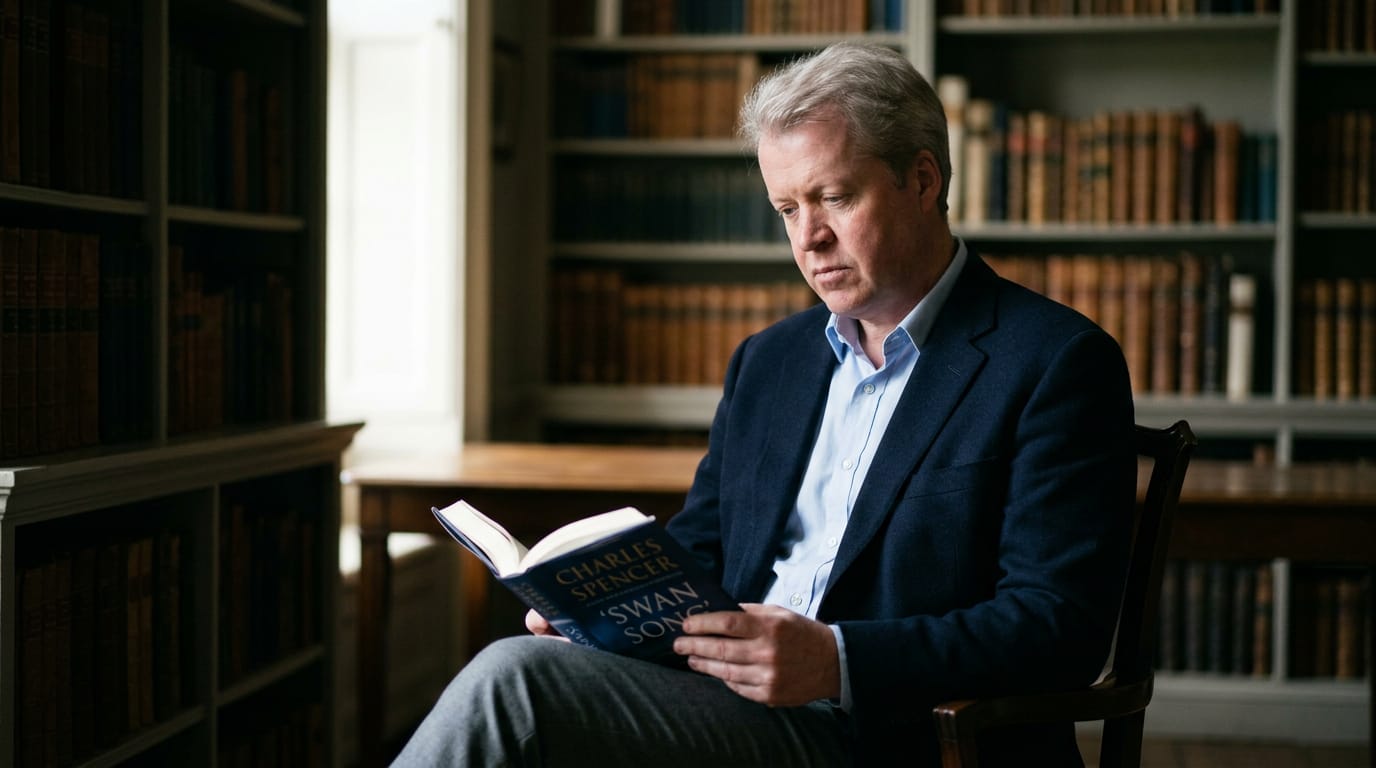
Nearly three decades after delivering his unforgettable eulogy at Westminster Abbey, Charles Spencer, the 9th Earl Spencer, has released a deeply personal memoir focusing entirely on his late sister, Diana, Princess of Wales. Titled "Swan Song: Diana, My Sister," the 384-page book published by Penguin Random House arrived on international bookshelves this September, sparking renewed scrutiny of the British monarchy, the media, and the enduring legacy of the People’s Princess.
The memoir arrives ahead of the upcoming 30th anniversary of Diana’s death in August 1997. Drawing on private memories, family archives, and the shared bond of childhood, Spencer seeks to reclaim Diana’s narrative from decades of public speculation, while also leveling sharp accusations at the royal household during the days following the tragic Paris car crash.
An Unvarnished Look at Childhood and Early Bonds
Before she became the most photographed woman in the world, Diana Spencer was simply a sister navigating an aristocratic yet fractured childhood alongside her younger brother. In "Swan Song," Spencer recounts their upbringing on the family’s ancestral Althorp estate in Northamptonshire. He depicts the two youngest Spencer children as inseparable allies through the difficult divorce of their parents, John Spencer and Frances Roche.
The book highlights the protective instincts they developed for each other while facing austere boarding schools and rigorous routines. Spencer also provides a warmer re-evaluation of their mother, challenging longtime tabloid portrayals and depicting her as an influential, spirited figure whose charisma helped shape Diana's personality. Readers receive a rare look at Diana’s transition from a shy teenage sibling into a vibrant presence, capturing the moments just before her life changed forever under the global spotlight.
The Unraveling Marriage and Royal Friction
The central portion of the book examines the dramatic upheaval that accompanied Diana’s 1981 marriage to the then-Prince of Wales, now King Charles III. Spencer portrays Diana as dedicated to her humanitarian work and deeply devoted to raising Prince William and Prince Harry, yet increasingly isolated within royal circles.
Spencer writes candidly about the breakdown of the royal union and what he characterizes as an indifferent institution. The text details Diana's growing distress as intense media pursuit coincided with declining support from palace officials. Spencer does not spare the British press, targeting what he views as invasive and destructive tactics by the media during the height of the couple’s public separation and subsequent divorce.
Contentious Allegations and Buckingham Palace’s Response
The most politically sensitive chapters in "Swan Song" focus on the immediate aftermath of Diana’s fatal crash in Paris. Spencer alleges that tensions between the Spencer family and the royal establishment peaked during the planning of the funeral arrangements. Most controversial is an account of a phone conversation in which Spencer claims King Charles dismissed the lasting impact of Diana’s public memory, asserting she would soon be forgotten.
Spencer also reflects on the day of the funeral itself, sharing his distress at seeing his young nephews—particularly the younger, slight Prince Harry—forced to walk behind their mother’s coffin through central London.
In a departure from its usual reticence, Buckingham Palace issued a statement addressing the claims raised by the memoir. The palace noted that while it does not generally comment on books, the king remains mindful that the profound pain of fraternal grief can cloud reason, affect judgment, and alter memory over the course of time. Spencer responded by standing firmly behind his recollections, insisting the historical record must reflect what he experienced firsthand.
A Sibling’s Final Public Reckoning
"Swan Song" quickly climbed bestseller lists following its late-September launch, planned for distribution in a dozen languages globally. While literary critics have observed that Spencer occasionally places his own grievances and disputes at center stage, reviewers generally agree that the book provides an intimate, affectionate, and protective portrait of a sibling who remained vulnerable beneath her global celebrity.
The release demonstrates that Diana’s impact on the British royal family and global culture remains as potent today as it was in 1997. By publishing this account, Spencer offers what he frames as his definitive statement on his sister’s life, closing a chapter of private remembrance and ensuring that the human being behind the public icon is not obscured by institutional silence or sensationalism.


