Prominent DW Journalist Alican Uludag Detained in Turkey, Sparking International Outcry Over Press Freedom
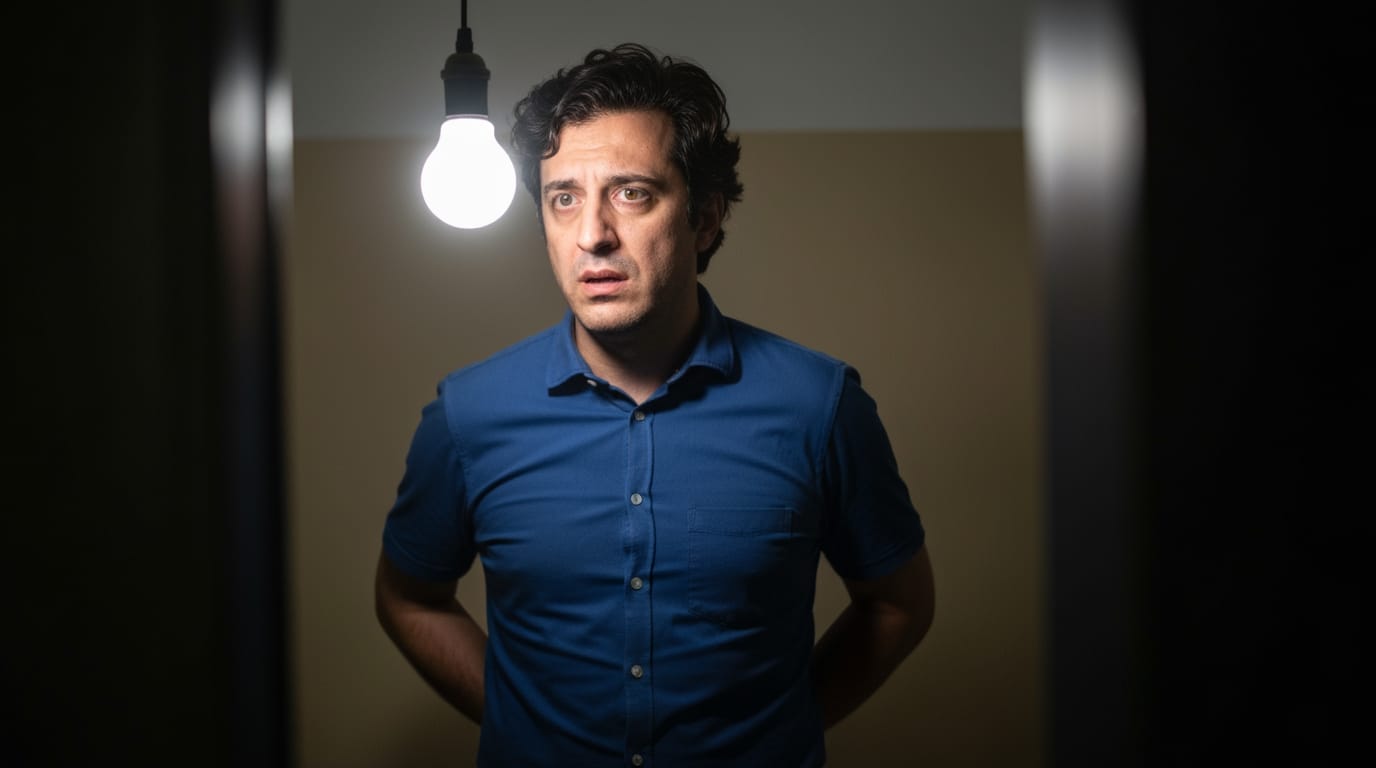
Istanbul, Turkey – Veteran investigative journalist Alican Uludag, a respected court reporter for the German public broadcaster Deutsche Welle (DW) Turkish service, was formally arrested in Turkey on February 20, 2026, on charges of "insulting the president" and "disseminating misleading information." The detention, which commenced with a police raid on his Ankara home on February 19, has ignited a firestorm of international condemnation, further intensifying concerns over the deteriorating state of press freedom in Turkey. Uludag, known for his critical reporting on human rights and corruption, is currently held in Silivri Prison as his lawyers appeal a decision widely viewed as a direct assault on independent journalism.
Arrest and Allegations: A Closer Look at the Charges
The events leading to Uludag's arrest began on the evening of February 19, when approximately 30 police officers raided his Ankara residence, conducting a search and confiscating IT equipment in the presence of his family. He was subsequently transferred to Istanbul, where prosecutors initiated a criminal investigation. An Istanbul court on February 20 formally ordered his pre-trial detention, citing flight risk and the possibility of evidence tampering.
The primary accusations against Uludag stem from his social media activities on X (formerly Twitter), where 22 posts were deemed by the Istanbul Criminal Magistrate of Peace to constitute "repeated and public insults" against President Recep Tayyip Erdoğan. Additionally, prosecutors pointed to a December 2024 report by Uludag for Now TV, concerning the release of six defendants in a case related to the 2016 Istanbul Atatürk Airport bombing, as evidence for the "disseminating misleading information" charge. The Court of Cassation had overturned the convictions of these individuals, originally sentenced to aggravated life imprisonment, on grounds of excessive penalties and insufficient justification. Uludag's report, which questioned the official narrative, was subsequently labeled "disinformative" by the Directorate of Communications' Center for Combating Disinformation. Uludag's lawyers have maintained that the arrest is unlawful, and that his social media posts are protected under freedom of expression.
Uludag's Professional Background and Turkey's Press Freedom Landscape
Alican Uludag is an accomplished journalist with a career spanning nearly two decades, predominantly focusing on judicial reporting, human rights violations, and corruption cases. His investigative work has earned him numerous accolades, including awards from the Contemporary Journalists Association in 2019, the Turkish Journalists Association in 2020, and the prestigious Raif Badawi Prize for Courageous Journalism in Germany in 2021. DW Director-General Barbara Massing described Uludag as a well-connected investigative journalist whose access to sensitive sources makes him "dangerous" in the government's view.
Uludag's detention is not an isolated incident but rather a stark reminder of the increasingly restrictive environment for journalists in Turkey. International press freedom organizations consistently rank Turkey among the worst countries for media freedom. Reporters Without Borders (RSF) places Turkey at 159th out of 180 countries in its Press Freedom Index. Critics argue that the "insulting the president" clause in Turkish law has become a convenient tool to silence dissent and stifle critical reporting. The government maintains direct or indirect control over a significant portion of the media landscape, and journalists frequently face prosecution under laws criminalizing "insulting public officials," "disinformation," and "disseminating terrorist propaganda."
Widespread Condemnation and International Implications
The arrest of Alican Uludag has triggered a wave of condemnation from across the globe, uniting press freedom advocates, international organizations, and foreign governments.
Deutsche Welle, Uludag's employer, has unequivocally denounced the detention, with Director-General Barbara Massing calling the allegations "baseless" and describing the arrest as a "deliberate act of intimidation." Massing asserted that Uludag must be released immediately, emphasizing that journalism is not a crime. The Committee to Protect Journalists (CPJ) echoed these sentiments, with its Turkey representative stating that Uludag's social media posts contained "only harsh criticism," not insults, and that his arrest served as a message to intimidate the news media. Organizations like Reporters Without Borders (RSF), the International Press Institute (IPI), and PEN Norway have issued joint statements, urging Turkish authorities to drop all charges and release Uludag unconditionally, characterizing his treatment as part of a broader pattern of judicial harassment.
The German government has also voiced strong concern, with Minister of State for Culture Wolfram Weimer calling for Uludag's immediate release and underscoring that journalistic work is not a criminal offense. German lawmakers have suggested diplomatic measures, including summoning Turkey's ambassador, to address the situation. Nacho Sánchez Amor, the European Parliament's Turkey rapporteur, described the detention as "depressing," indicating that the case would likely feature prominently in upcoming EU-Turkey progress reports, highlighting concerns about democratic standards in Turkey.
Ongoing Detention and Future Prospects
As of early April 2026, Alican Uludag remains in pre-trial detention at Silivri Prison in Istanbul. His lawyers, after an initial appeal of his arrest was rejected by an Istanbul court, are preparing to take the matter to Turkey's Constitutional Court. In a letter from prison dated March 17, Uludag stated that he had been denied his right to a defense, further exacerbating concerns about the fairness of the legal process.
The case of Alican Uludag serves as a critical barometer for press freedom and human rights in Turkey. The ongoing detention of a respected journalist for his critical reporting and social media commentary sends a chilling message to independent media and raises serious questions about the rule of law. The international community continues to monitor the situation closely, advocating for Uludag's immediate release and for Turkey to uphold its commitments to freedom of expression and the press. The outcome of his legal battle will undoubtedly have significant implications for the future of journalism in a country where the space for independent reporting continues to shrink.


