Prominent Opposition Figure Lev Shlosberg Jailed for 11 Years Over Ukraine War Criticism
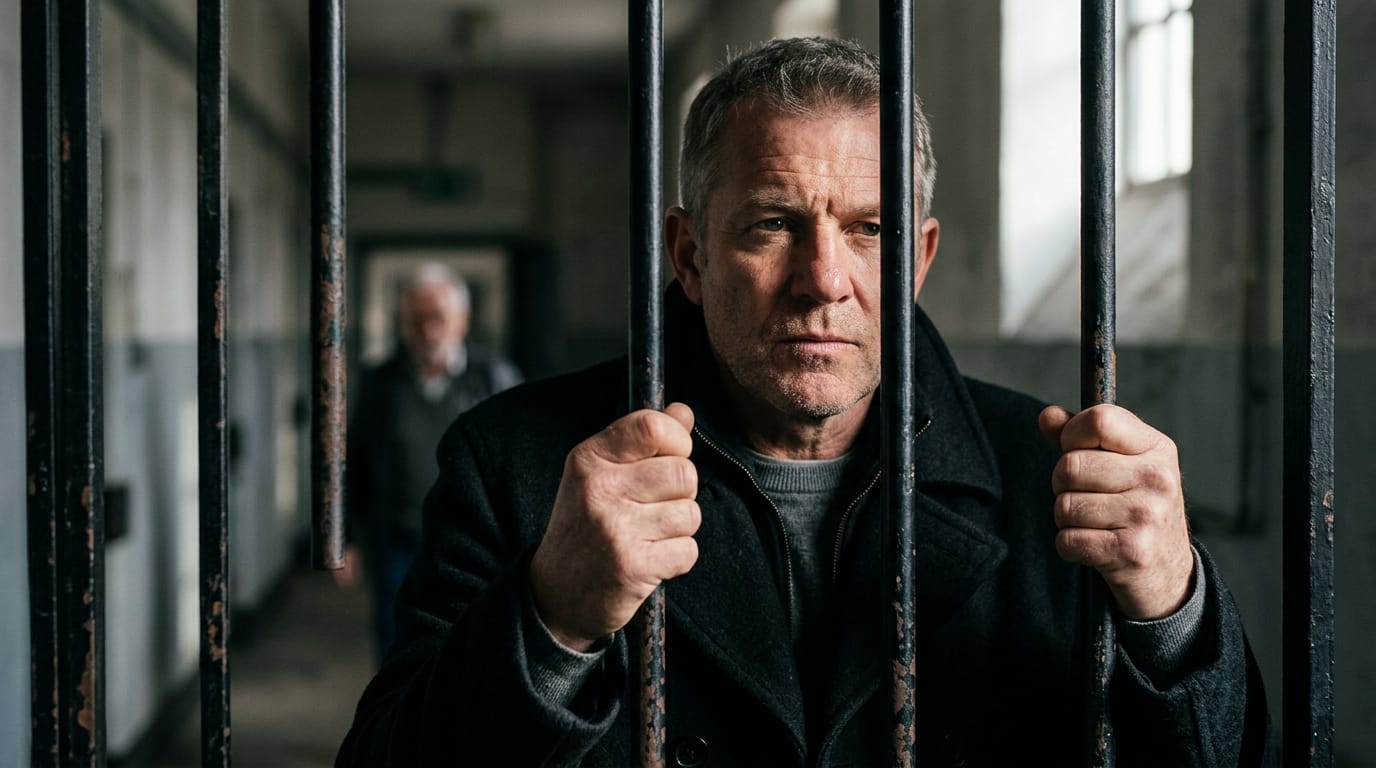
PSKOV, RUSSIA – In a move underscoring the Kremlin's escalating crackdown on dissent, a Russian court on Monday sentenced prominent opposition politician Lev Shlosberg to 11 years and one month in a penal colony for his outspoken criticism of the conflict in Ukraine. The verdict against Shlosberg, a senior member of the liberal Yabloko party, comes amidst a broader suppression of independent voices, particularly those challenging the official narrative of the war, now in its fifth year. The sentencing, handed down just weeks before Russia's parliamentary elections, highlights the diminishing space for political opposition within the country.
The 63-year-old Shlosberg was found guilty of "discrediting" the Russian armed forces and spreading "false information" about their actions, charges that have become standard tools in prosecuting war critics since early 2022. His case represents another significant blow to Russia's already beleaguered political opposition, sending a stark message to anyone contemplating public defiance against state policies.
The Verdict and Its Immediate Aftermath
The sentencing of Lev Shlosberg took place in Pskov, approximately 600 kilometers (370 miles) northwest of Moscow, following a trial that he and his supporters have condemned as politically motivated. Shlosberg, who serves as Yabloko's deputy chairman and previously served in the regional legislature of Pskov from 2016-2021, maintained his innocence throughout the proceedings. In his final statement to the court, Shlosberg reportedly asserted that he was undergoing a politically motivated trial and reiterated his calls for an immediate ceasefire in the ongoing conflict.
The timing of the verdict is particularly notable, occurring in the run-up to next month's parliamentary elections. This sentencing follows closely on the heels of another significant ruling: on August 10, Russia's Supreme Court upheld its decision to bar the Yabloko party from participating in the September 18-20 parliamentary vote, denying an appeal by the party. Yabloko stands as the only official political party overtly opposing the war, making the dual actions against Shlosberg and the party a clear signal of the Kremlin's intolerance for any critical stance, especially ahead of a national vote.
The Nature of the "Crimes"
The charges against Shlosberg stemmed from his participation in an online debate where he called for an end to the war, characterizing it as a "bloody chess" game. Further evidence cited by prosecutors included a post on his Telegram channel featuring a British tabloid front page. The image showed a bloodied woman alongside Russian President Vladimir Putin, accompanied by the headline: "Her blood... his hands." Shlosberg has consistently rejected these charges as unfounded, arguing that his actions were an exercise of freedom of expression.
These accusations fall under newly enacted laws introduced shortly after Russia's full-scale invasion of Ukraine in February 2022. These laws prescribe lengthy prison terms for individuals found guilty of "discrediting" the military or intentionally disseminating false information about the war. Such legislation has effectively criminalized public condemnation of the conflict within Russia, leading to a climate where open criticism is rarely heard. Shlosberg's trial was his second in two years, and he had previously been designated a "foreign agent," a label carrying strong negative connotations and subjecting individuals to increased government scrutiny.
A Broader Clampdown on Dissent
Shlosberg's conviction is not an isolated incident but rather indicative of a systematic and intensifying crackdown on dissent in Russia. Since the full-scale invasion of Ukraine, Russian authorities have moved aggressively to silence opposition figures and activists. Notable cases include those of Alexei Navalny, Vladimir Kara-Murza, and Ilya Yashin. Navalny, a prominent critic of the Kremlin, has been serving a lengthy sentence on charges widely considered politically motivated, with a further 19 years added in August 2023 under a "special regime" in harsh prison conditions.
Vladimir Kara-Murza, a Russian-British former journalist and politician, was sentenced to 25 years in prison in April 2023 on charges of treason, spreading "false" information about the Russian army, and affiliation with an "undesirable organization" for his criticisms of the war. His appeal against this sentence was rejected by Russia's Supreme Court in May 2024. Ilya Yashin, another vocal opposition figure, received an 8 1/2-year prison term in December 2022 for spreading false information about the military, particularly concerning alleged atrocities in Bucha, Ukraine. These cases, alongside Shlosberg's, paint a clear picture of the severe penalties facing those who challenge the state's narrative on the war.
International and Domestic Reactions
The verdict against Shlosberg has drawn immediate condemnation from international human rights organizations. Amnesty International denounced the sentencing, with Marie Struthers, the group's Eastern Europe and Central Asia director, stating that Shlosberg's "arbitrary prosecution and sentencing are blatant reprisals for exercising his right to freedom of expression to call for peace." Amnesty International called for his immediate and unconditional release.
Domestically, the Yabloko party characterized Shlosberg's sentence as "barbaric" and a consequence of his "love of the Motherland and calls for a ceasefire." The party announced its intention to appeal the ruling. Yabloko leaders Nikolay Rybakov and Grigory Yavlinsky described the ruling as "the tragedy of the disintegration of modern Russian justice," vowing to pursue all lawful means to end Shlosberg's prosecution. Shlosberg himself, in his final court statement, reflected on Russia's trajectory, noting that over 30 years, the country has moved "from hopes for freedom to the almost complete destruction of human and civil rights and freedoms." He also predicted that once the true death toll of the war becomes known, "the entire country will shudder."
Conclusion
The sentencing of Lev Shlosberg to over a decade in prison for criticizing the war in Ukraine serves as a stark reminder of the repressive climate for dissent in Russia. It reinforces the Kremlin's determination to stifle any opposition, particularly as national elections approach. As one of the few remaining prominent opposition figures who chose to stay in Russia and continue his activism, Shlosberg's fate, alongside those of Navalny, Kara-Murza, and Yashin, illustrates the immense personal cost of speaking truth to power in contemporary Russia. The international community and human rights organizations continue to decry these actions, highlighting the severe erosion of fundamental freedoms and the rule of law within the country.