Prominent Pro-Kremlin Blogger Hospitalized in Psychiatric Facility After Scathing Criticism of Putin
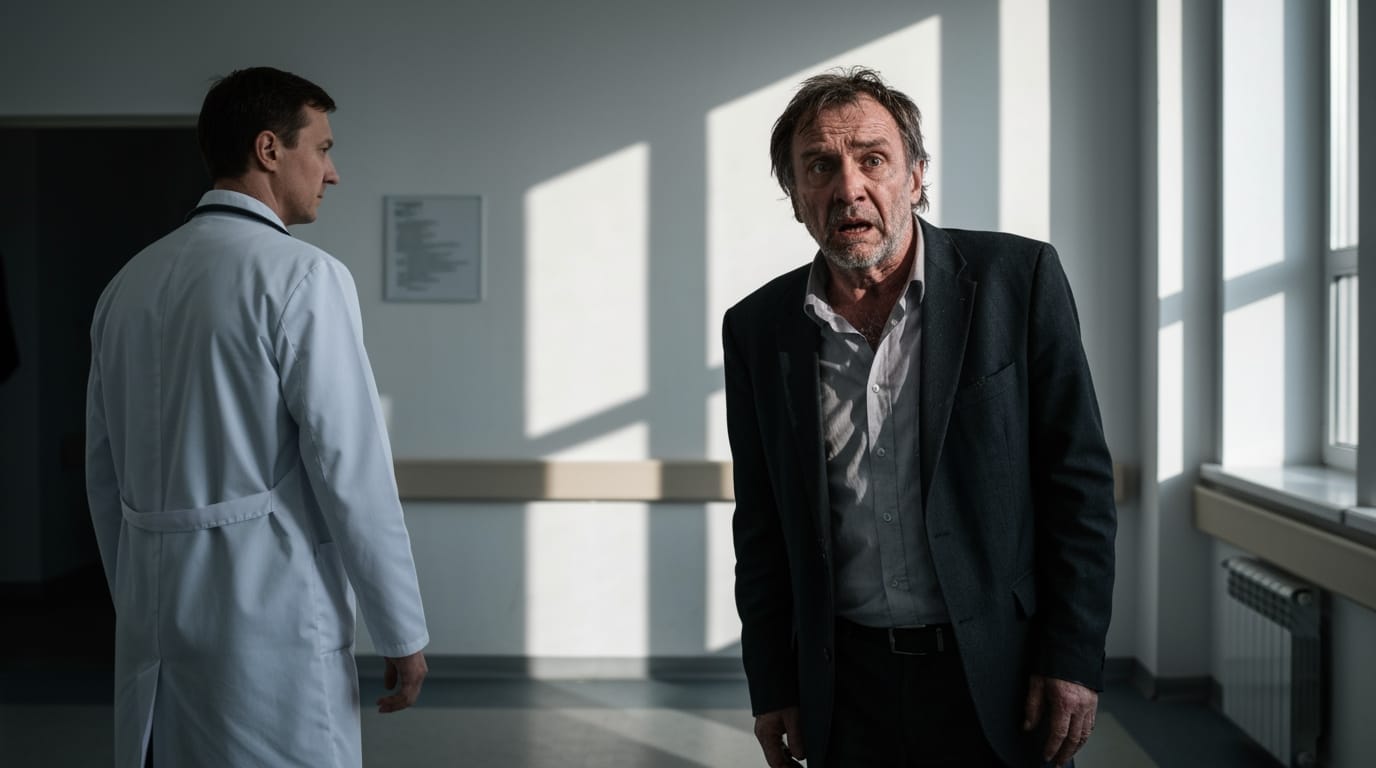
ST. PETERSBURG, RUSSIA – A once-staunch pro-Kremlin blogger, known for his aggressive campaigns against Russian opposition figures, has reportedly been admitted to a psychiatric hospital in St. Petersburg just days after publishing a shocking manifesto sharply critical of President Vladimir Putin. The swift move has ignited widespread speculation about the methods employed to quell dissent within Russia's tightly controlled information sphere, drawing stark comparisons to Soviet-era punitive psychiatry.
Ilya Remeslo, a lawyer and former member of the Kremlin-controlled Public Chamber, gained notoriety for years by targeting government critics, most notably the late opposition leader Alexei Navalny. His sudden reversal, culminating in a public call for Putin's resignation and trial for war crimes, has sent shockwaves through Russian political and media circles, underscoring the severe risks associated with challenging the state.
From Staunch Loyalist to Fierce Critic
On March 17, 2026, Ilya Remeslo, 42, published a lengthy post on his Telegram channel, titled "Five Reasons Why I No Longer Support Vladimir Putin." This "manifesto" marked an extraordinary departure from his established public persona, where he had consistently championed Kremlin narratives and actively pursued legal actions against opposition figures. For years, Remeslo was instrumental in generating complaints and providing testimony in cases against Navalny, accusing him of embezzlement and fraud. His past online activity included regularly sharing Kremlin-friendly articles and even linking directly to official government websites.
However, in his recent posts, Remeslo launched into a scathing critique of the Russian leadership. He condemned the ongoing war in Ukraine as a "dead end" and criticized the economic damage inflicted upon Russia. He further lambasted restrictions on media freedom and internet access, describing Putin's press conferences as a "circus." Perhaps most strikingly, Remeslo questioned Putin's decades-long hold on power, writing that the president "does not respect his voters" and asserting that "absolute power corrupts absolutely — especially when it is endless." He escalated his criticism by declaring Putin "not a legitimate president" and explicitly called for him to "resign and be brought to justice as a war criminal and a thief."
Remeslo later posted video messages to dispel initial speculation that his account had been hacked, insisting the statements were his own and urging followers to "think about it until morning." He stated he was prepared for "any development" and had no plans to leave Russia unless his family was threatened, even suggesting he had "insider" information he could reveal in court.
The Unfolding of a Psychiatric Admission
Within hours of his damning assessment of President Putin, reports began to surface that Remeslo had been admitted to Psychiatric Hospital No. 3 in St. Petersburg. Local media outlet Fontanka and pro-war Telegram channels initially reported the hospitalization on March 19, with hospital staff later confirming that a patient matching Remeslo's name had indeed been admitted. The Baza Telegram channel, which often has ties to Russian law enforcement, further reported that Remeslo was placed in the 16th ward, a unit specializing in first-onset psychosis in male patients.
The speed with which Remeslo disappeared from public view and was placed in a psychiatric facility immediately raised alarms among observers. His final online communications suggested a clear awareness of potential repercussions, yet he appeared resolute. An interview given shortly before his hospitalization showed him wearing a military-style shirt and appearing lucid, without exhibiting overt signs of mental distress. In that interview, he attributed his dramatic change of stance to personal evolution and a new "mission."
Sources close to the situation, including pro-war blogger Aleksandr Kartavykh, claimed this was not Remeslo's first hospitalization in a psychiatric facility, suggesting a prior admission about a year ago. However, Fontanka noted that he had not previously been under psychiatric observation, based on the specific department he was admitted to. Some commentators, including certain pro-war bloggers, theorized that Remeslo might have sought admission himself to preempt potential criminal prosecution for his statements. Social media users also pointed out that Remeslo's sister is a well-known psychiatrist in St. Petersburg, adding another layer to the complex narrative.
Echoes of the Past, Realities of the Present
The alleged psychiatric hospitalization of Ilya Remeslo has reignited concerns about the resurgence of "punitive psychiatry" in Russia, a tactic infamously employed during the Soviet era to silence dissidents. Historically, facilities like Psychiatric Hospital No. 3 in St. Petersburg were used to commit individuals who challenged state authority, with former patients alleging human rights violations. The current situation evokes a chilling parallel, suggesting that mental health institutions could once again be weaponized against those who dare to criticize the state.
In contemporary Russia, critics of the government face a wide array of threats and forms of repression. Since the full-scale invasion of Ukraine in 2022, the Kremlin has significantly tightened its control over the information space, enacting new laws that criminalize the spread of "false information" about the armed forces. Independent journalists, activists, and opposition figures have been subjected to "foreign agent" or "extremist" designations, leading to severe financial, legal, and social repercussions. Many opposition leaders have been imprisoned, forced into exile, or, in some tragic cases, have died.
The case of milblogger Andrey Kurshin, who ran the popular Telegram channel "Moscow Calling," serves as another poignant example of the state's crackdown on critical voices, albeit through different means. Kurshin, a former soldier who had fought for the self-proclaimed Donetsk People's Republic, was initially pro-military but became increasingly critical of the Ministry of Defense's conduct during the war. He was arrested in August 2023 for "discrediting the Russian Armed Forces" by posting about alleged Russian strikes on civilian targets, including a maternity hospital and residential buildings in Ukraine. In August 2024, Kurshin was sentenced to six and a half years in prison, explicitly for spreading "false information" about the army, a clear demonstration of the judicial system's role in enforcing the state's narrative. While Kurshin's fate involved a penal colony rather than a psychiatric ward, both cases underscore the severe consequences awaiting those who deviate from the official line.
Reactions to Remeslo's hospitalization from within Russia's political establishment have been dismissive. Leading propagandist Vladimir Solovyov characterized Remeslo's statements as the product of a "psychological breakdown," labeling such figures as "fellow travelers" who "lose their nerve and begin repeating 'foreign narratives.'" Such statements contribute to an environment where mental health diagnoses can be used to discredit political opponents rather than address genuine concerns.
A Chilling Message
The sudden hospitalization of Ilya Remeslo, a figure who had dedicated years to supporting the Kremlin, serves as a powerful and chilling message about the limits of permissible discourse in Russia. Whether his admission was voluntary or coerced, a medical necessity or a politically motivated act, the outcome effectively silences a prominent voice that turned against the state.
This incident highlights the precarious position of any individual in Russia who might consider criticizing the government, particularly on sensitive issues such as the war in Ukraine. It reinforces the perception that the state is willing to employ a wide spectrum of tools, from judicial prosecution to controversial medical interventions, to maintain its narrative and suppress dissent. The unfolding situation with Remeslo is poised to become another stark symbol of the ongoing erosion of free speech and political pluralism in Russia, echoing a troubled past and casting a long shadow over the future.


