Protesters in Tirana Decry Albanian Government's TikTok Ban as Censorship
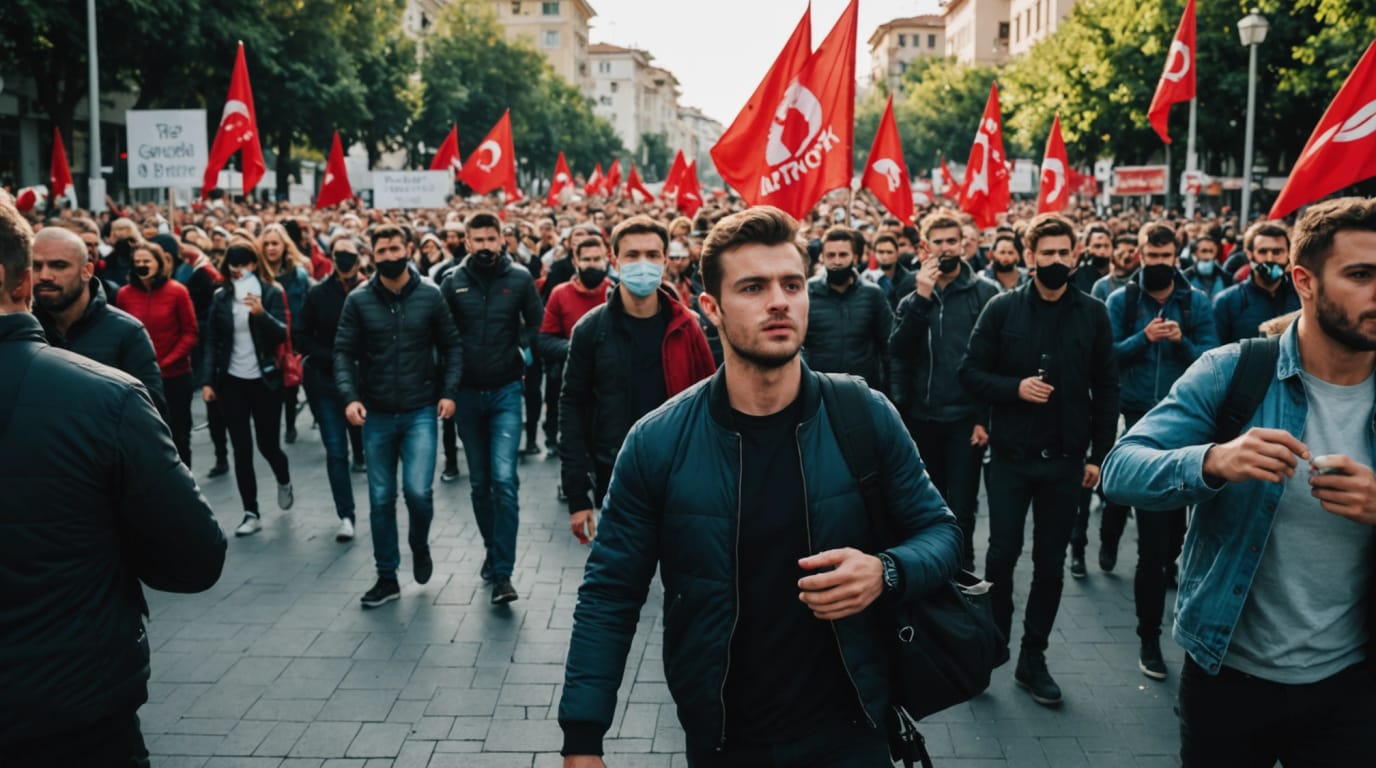
TIRANA, Albania – Hundreds of protesters gathered in Tirana, Albania, on Saturday, March 15, 2025, to voice their opposition to the Albanian government's decision to ban the popular social media platform TikTok. Demonstrators, organized by the center-right Democratic Party, decried the ban as an act of censorship and a suppression of free speech, particularly in the lead-up to parliamentary elections scheduled for May 11.
The Albanian government, led by Prime Minister Edi Rama of the Socialist Party, implemented the ban, which went into effect earlier this month, citing concerns over the platform's alleged role in inciting violence and bullying among children. The government has ordered internet providers to block access to TikTok for one year. The move followed a tragic incident in November 2024, where a 14-year-old was fatally stabbed by a classmate after a dispute that reportedly originated on social media.
Government Rationale and Opposition Response
Prime Minister Rama has defended the ban, stating it was a "carefully considered decision" made after extensive consultations with parents and teachers. He accused TikTok of failing to protect children from harmful content and algorithms that promote violence and bullying. Rama's office has also pointed out that TikTok's operations within China differ significantly, with the Chinese version promoting educational content and discouraging harmful behavior.
"The problem today is not our children. The problem today is us. The problem today is our society. The problem today is TikTok and all the others that are taking our children hostage," Rama said in December.
However, the opposition Democratic Party (DP) has strongly condemned the ban, arguing it is a politically motivated attempt to stifle dissent and control the flow of information ahead of the upcoming elections. DP leader Sali Berisha called on citizens, especially young people who are the primary users of TikTok, to protest against what he described as a "corrupt government that aims to keep under control the information received from the citizens."
"It's not just TikTok that is threatened with censorship," said Elida Ranci, a medical student who addressed the protesters. "The closure of this platform primarily violates freedom of expression just months before the legislative elections."
The Protest and Its Message
The protest in Tirana saw hundreds of demonstrators marching to the Prime Minister's office, chanting slogans such as "Democracy" and "Berisha's name." Many held placards with messages like "Censorship, corruption, not TikTok" and "Free speech, not censorship." Speakers at the rally, primarily young supporters of the Democratic Party, accused Prime Minister Rama and his cabinet of corruption, manipulating elections, and overstepping the powers of the judiciary.
Berisha told journalists after the protest that "TikTok will be back May 12," the day after the parliamentary elections.
TikTok's Perspective and International Concerns
TikTok has responded to the ban by requesting "urgent clarity from the Albanian government" regarding the stabbing incident that served as a catalyst for the government's decision. The company stated it found no evidence that the perpetrator or victim had TikTok accounts and that reports suggested the videos related to the incident were posted on another platform.
The Albanian government's decision has also drawn international attention, raising concerns about freedom of expression and media independence. Some observers have noted that the ban could face scrutiny from the European Union as Albania seeks to meet civil rights standards for EU membership.
Ruslan Stefanov, program director at the Sofia-based Center for the Study of Democracy, called scapegoating TikTok for the tragedy "a typical populist move." He added that the lack of due process or solid evidence underpinning the planned ban is emblematic of the country's systemic corruption and institutional weaknesses.
Broader Context: Media Freedom in Albania
The TikTok ban comes amid broader concerns about media freedom in Albania. While the country's constitution and legal framework guarantee freedom of expression, press freedom and media independence are threatened by conflicts of interest between the business and political worlds, a flawed legal framework, and partisan regulation.
Journalists in Albania often face political pressure, especially during elections, and are sometimes subjected to intimidation and attacks designed to discredit them. Self-censorship is also widespread. Albania is ranked 83rd out of 180 countries in Reporters Without Borders' 2024 World Press Freedom Index.
Implications and Future Outlook
The Albanian government's TikTok ban has ignited a debate about the balance between protecting children from harmful online content and preserving freedom of expression. The ban also raises questions about the government's motives, with the opposition accusing the ruling party of using the issue to suppress dissent and gain an advantage in the upcoming elections.
As Albania prepares for parliamentary elections in May, the TikTok ban is likely to remain a contentious issue, with the opposition vowing to restore access to the platform if they win. The government, however, remains firm in its stance, arguing that the safety and well-being of Albanian children outweigh concerns about freedom of expression on social media. The situation will be closely watched by international observers as a test of Albania's commitment to democratic values and media freedom.


