Protests Erupt in Istanbul Following Mayor's Arrest, Sparking National Unrest
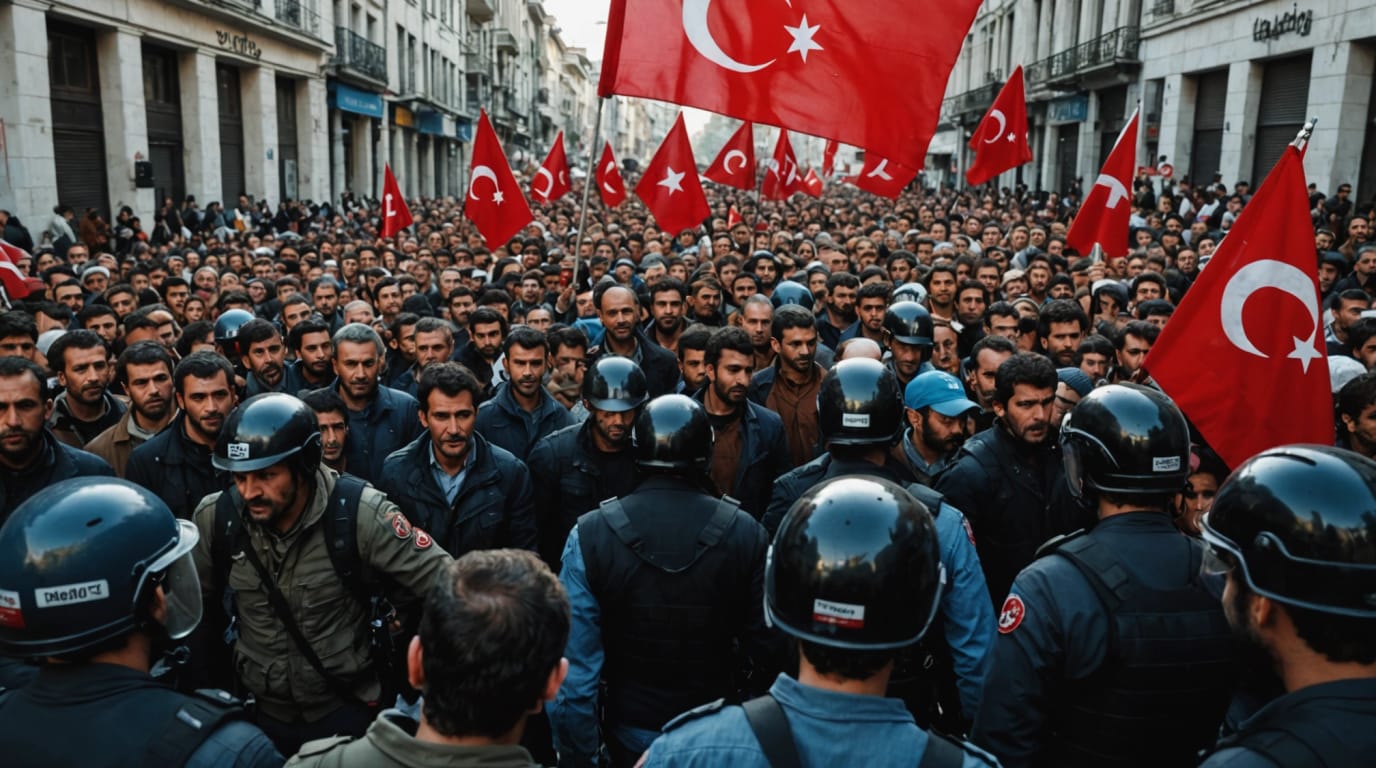
ISTANBUL — Tens of thousands of protesters have flooded the streets of Istanbul and other Turkish cities in recent days, decrying the arrest and imprisonment of Istanbul Mayor Ekrem Imamoglu. The demonstrations, the largest seen in Turkey in over a decade, signal a significant escalation in political tensions and raise concerns about the state of democracy under President Recep Tayyip Erdogan's leadership.
Imamoglu's Arrest Fuels Outrage
Ekrem Imamoglu, a prominent figure in the opposition Republican People's Party (CHP) and a potential challenger to Erdogan in the 2028 presidential election, was arrested on March 19 on corruption charges. The charges, which many view as politically motivated, stem from allegations of corruption and supporting terrorism within the Istanbul municipality. The government maintains that the judiciary is independent and free of political interference, but critics point to the timing of the arrest and the use of "secret witnesses" as evidence of political maneuvering.
The arrest has ignited widespread anger among Imamoglu's supporters and those concerned about the erosion of democratic norms in Turkey. Protesters see the move as an attempt by Erdogan to eliminate a key political rival and consolidate power. The CHP and other opposition parties have condemned the arrest, calling it a "coup" against the opposition.
Protests Spread Across Turkey
The initial protests in Istanbul quickly spread to other major cities, including Ankara and Izmir, as well as smaller towns. Demonstrators have been met with varying responses from authorities. While some protests have been allowed to proceed peacefully, others have been met with police force, including tear gas and water cannons. Despite citywide bans on protests in some areas, demonstrators have continued to gather, demanding Imamoglu's release and an end to what they see as democratic backsliding.
In Istanbul's Kadikoy neighborhood, thousands marched through the streets, with residents showing their support by clapping and banging pots and pans from their windows and balconies. The protests have also taken the form of nightly demonstrations, with residents in opposition-supporting neighborhoods banging pots and pans from their windows in a show of solidarity.
Government Response and Accusations
President Erdogan has responded to the protests by accusing the political opposition of "sinking the economy" and being "so desperate that they would throw the country and the nation into the fire." He has also stated that "sabotage targeting the Turkish economy will be held accountable before the courts." The government has detained over 1,100 people in connection with the protests and has requested that social media platform X block certain accounts.
The Turkish government's broadcasting authority has also taken action against opposition media outlets, issuing a 10-day airwave ban on Sozcu TV and imposing fines and program suspensions on other channels. A Swedish journalist was also detained while entering Turkey to cover the protests, further raising concerns about media freedom in the country.
Opposition's Strategy and Future Outlook
Despite the government's crackdown, the opposition remains defiant. The CHP has chosen Imamoglu as its candidate for the 2028 presidential election, signaling their continued support for the jailed mayor. The party has also launched a signature campaign to demand Imamoglu's release and is planning a series of rallies in major Turkish cities.
Ozgur Ozel, the leader of the CHP, has stated that the party will continue to pressure the government into early elections through all democratic means. He has also emphasized the importance of young people breaking through the "wall of fear" and continuing to resist what he sees as Erdogan's unlawful actions.
Implications for Turkish Democracy
The protests and the government's response have raised serious questions about the future of democracy in Turkey. Critics argue that the arrest of Imamoglu and the crackdown on dissent are part of a broader pattern of authoritarianism under Erdogan's rule. They point to the erosion of judicial independence, the suppression of media freedom, and the targeting of political opponents as evidence of a shrinking space for democracy in the country.
The events in Turkey are being closely watched by international observers, who have expressed concerns about the state of democracy and the rule of law. The European Union and other international organizations have called on the Turkish government to respect fundamental freedoms and ensure a fair and transparent legal process for Imamoglu.
A Nation Divided
The current unrest highlights the deep divisions within Turkish society. While Imamoglu enjoys significant support, particularly in urban areas, Erdogan and his ruling AK Party maintain a strong base of support, especially in more conservative regions. The political landscape is further complicated by economic challenges, including high inflation and unemployment, which have fueled discontent among some segments of the population.
The coming months will be crucial in determining the future direction of Turkey. Whether the protests will lead to meaningful political change or further entrench authoritarianism remains to be seen. The resilience of the opposition, the response of the international community, and the actions of the Turkish government will all play a significant role in shaping the country's trajectory.


