Putin Signals Openness to Talks with Trump Amidst Ukraine Conflict
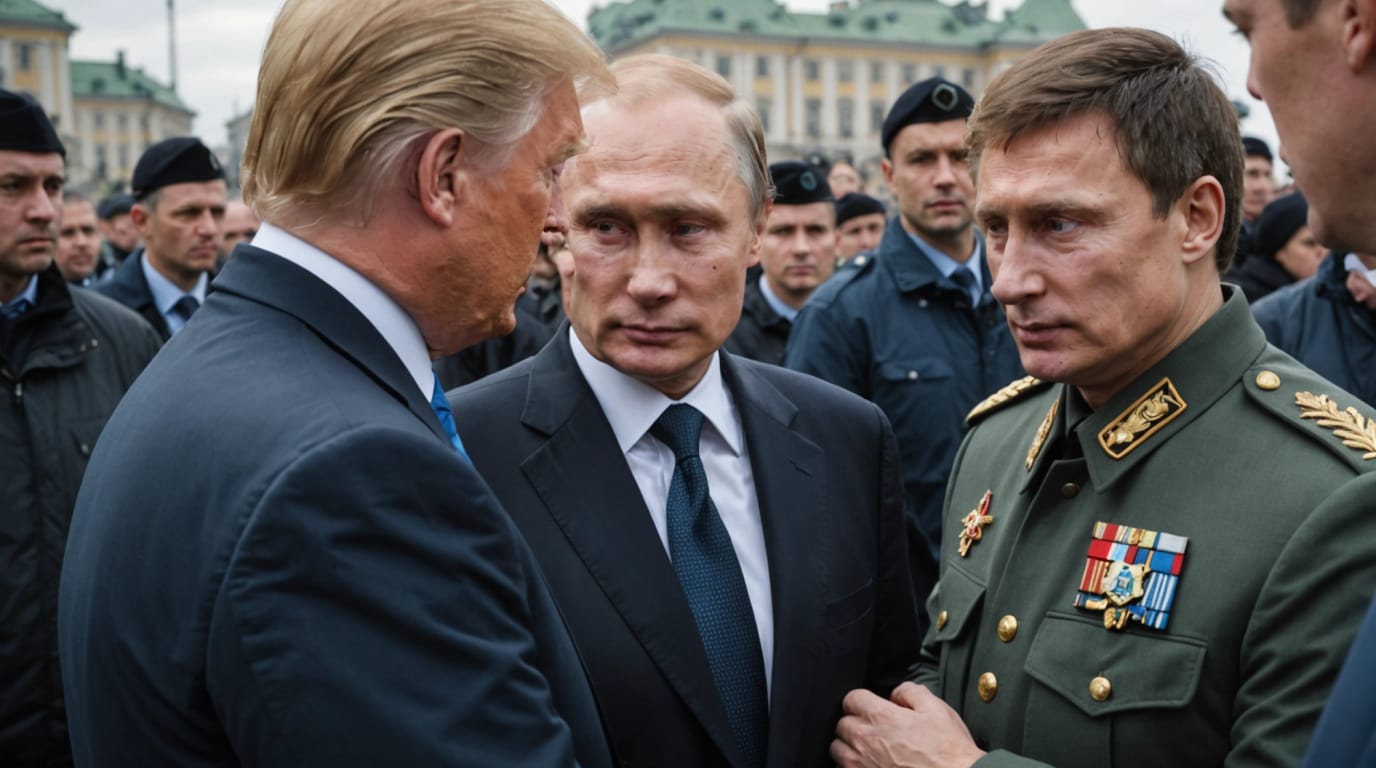
Amidst the ongoing conflict in Ukraine, Russian President Vladimir Putin has indicated a willingness to engage in discussions with former U.S. President Donald Trump on a range of issues, including the war. This comes as Trump has expressed anger towards Putin for questioning the legitimacy of Ukrainian President Volodymyr Zelenskyy, a move that could potentially complicate peace negotiations.
Putin's Call for Dialogue
Putin has publicly stated his openness to talks with Trump, emphasizing the need for a "calm conversation" on matters of mutual interest between the United States and Russia, based on current realities. In an interview with Russian state television, Putin described Trump as a "clever and pragmatic man" focused on U.S. interests. He also echoed Trump's claim that the Ukraine conflict might have been avoided had Trump been in office in 2022, marking a notable endorsement of Trump's stance.
Trump's Shifting Tone and Threatened Tariffs
Despite previously signaling openness to peace negotiations with Moscow, Trump has recently adopted a harsher tone towards Putin. He expressed his displeasure with Putin's questioning of Zelenskyy's legitimacy, arguing that any attempts to replace Zelenskyy would likely delay a ceasefire. Trump has gone as far as threatening to impose "secondary tariffs" on Russian oil if a deal to halt the bloodshed in Ukraine cannot be reached and if he deems Russia to be at fault. These tariffs, potentially set at 25%, could significantly impact Russia's oil exports, particularly to major customers like China and India.
Ukraine's Perspective and the Need for Inclusion
Ukrainian President Volodymyr Zelenskyy has asserted that any negotiations to end the war must include Ukraine for them to be meaningful. He expressed hope that Europe and the U.S. would be involved in such talks. Zelenskyy has also stated his readiness to engage in discussions with Moscow, but only after a plan to stop Putin has been developed.
Stumbling Blocks and Potential Solutions
One of the major sticking points in potential negotiations is Putin's questioning of Zelenskyy's legitimacy as the Ukrainian leader. Putin has suggested the establishment of a temporary administration in Ukraine under the supervision of the United Nations, a proposal that has been rejected by UN Secretary-General Antonio Guterres. Trump, while also having questioned Zelenskyy's leadership in the past, has stated that any move to replace Zelenskyy would hinder the prospects of a ceasefire.
Despite the tensions, there have been some signs of progress. Negotiating teams from the U.S., Russia, and Ukraine have met separately in Saudi Arabia to discuss peace terms. Additionally, the three sides reached an agreement on March 25 to halt military force in the Black Sea and pause attacks on energy infrastructure for 30 days, although both sides have since accused each other of violations.
Implications and Uncertainties
The potential for talks between Putin and Trump introduces a new dynamic in the efforts to resolve the Ukraine conflict. While Putin appears open to dialogue, Trump's recent shift in tone and threats of tariffs add complexity to the situation. The success of any negotiations will likely depend on addressing the key issues of Zelenskyy's legitimacy, security guarantees for Ukraine, and the implementation of a lasting ceasefire. The international community remains cautiously optimistic, recognizing the potential for a breakthrough while also acknowledging the significant challenges that lie ahead.


