Qatar's Mediation Efforts Aim to Bring Peace to Eastern DR Congo
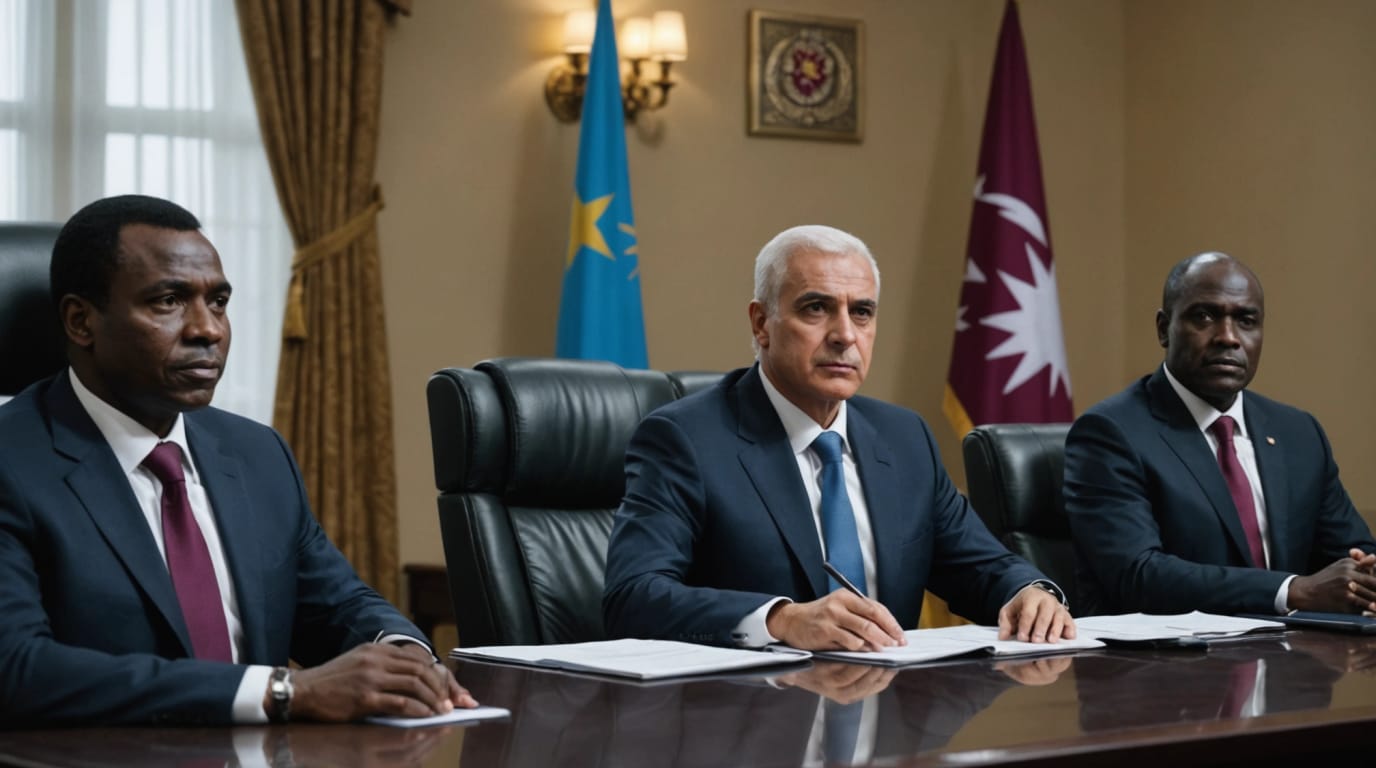
DOHA, Qatar — In a region plagued by decades of conflict and humanitarian crisis, Qatar has emerged as a key mediator, attempting to broker peace between the Democratic Republic of Congo (DRC) and Rwanda. Recent talks in Doha, mediated by the Qatari Emir Sheikh Tamim bin Hamad Al Thani, have brought together the leaders of both nations in an effort to de-escalate tensions and establish a lasting ceasefire in eastern DRC. However, the path to peace remains complex, with deep-rooted issues and numerous armed groups vying for control in the mineral-rich region.
A Region in Crisis
Eastern DRC has been wracked by conflict since the aftermath of the Rwandan genocide in 1994. The region is home to over 100 armed groups, including the M23 rebels, vying for territory and control of valuable natural resources such as coltan, gold, diamonds, and cobalt. This ongoing conflict has resulted in a dire humanitarian crisis, with millions displaced and in need of assistance.
The most recent escalation of violence began in January 2025, when M23 rebels seized the strategic city of Goma, followed by Bukavu in February. These advances have displaced hundreds of thousands of people, adding to the already staggering number of internally displaced persons (IDPs) in the region. The United Nations estimates that over 700,000 people have been displaced since January 2025 alone.
The humanitarian situation is further compounded by widespread sexual violence, the recruitment of child soldiers, and outbreaks of diseases such as cholera, measles, and mpox. Access to healthcare, clean water, and sanitation is severely limited, particularly for those living in displacement camps or in areas controlled by armed groups.
Qatar's Role as Mediator
Qatar has a growing role as a mediator in African conflicts. Article 7 of Qatar's Constitution stipulates mediation as a key foreign policy priority. Since 2004, Qatari mediations have aimed to broker ceasefires, restore diplomatic relations, release hostages, facilitate exchange of prisoners, initiating national dialogue processes, helping end border disputes and bringing about peace agreements at the regional and global levels. Qatar's foreign policy frequently entails maintaining an equal distance from all sides in a conflict, but without shying away from expressing a position where necessary, often in line with international law. This 'principled impartiality' aims to allow Qatar to gain the trust of opposing parties while maintaining its respect for international law.
Qatar has a history of mediating complex conflicts, including those in Lebanon, Yemen, Darfur, and between the United States and the Taliban in Afghanistan. More recently, Qatar has been involved in mediating the release of hostages and prisoners in the Israel-Hamas conflict and the reunification of Ukrainian and Russian children with their families.
The recent talks in Doha between DRC President Felix Tshisekedi and Rwandan President Paul Kagame, mediated by the Qatari Emir, represent a significant step toward de-escalating tensions in the region. The three leaders issued a joint statement calling for an "immediate and unconditional ceasefire" in eastern DRC. They also agreed to continue discussions in Doha to establish a solid foundation for lasting peace.
Challenges and Obstacles
Despite the progress made in Doha, significant challenges remain. The M23 rebels, who control large swaths of territory in eastern DRC, have not yet committed to the ceasefire. It remains unclear whether they will heed the call for peace, particularly given the complex web of alliances and interests that fuel the conflict.
One of the key obstacles to peace is the ongoing dispute between DRC and Rwanda. The DRC accuses Rwanda of supporting the M23 rebels, while Rwanda claims its forces are acting in self-defense against Congolese army and militias hostile to Kigali. These accusations and counter-accusations have fueled tensions and made it difficult to find common ground.
Another challenge is the sheer number of armed groups operating in eastern DRC. With over 100 different factions vying for control, any peace agreement must address the concerns and interests of all parties involved. This will require a comprehensive approach that includes disarmament, demobilization, and reintegration programs, as well as efforts to address the root causes of the conflict, such as ethnic tensions, political corruption, and competition for natural resources.
Humanitarian Concerns
The ongoing conflict in eastern DRC has created one of the world's most significant humanitarian crises. More than 7 million people have been displaced, and millions more are in need of humanitarian assistance. The violence has disrupted humanitarian operations, making it difficult to reach those in need.
UNICEF reports a sharp rise in grave violations against children, including sexual violence, killings, maiming, and the recruitment and use of children by armed groups. The health sector is overwhelmed, with overcrowded hospitals and shortages of medicine and equipment. Outbreaks of cholera, measles, and mpox are spreading, further exacerbating the crisis.
The international community must step up its efforts to provide humanitarian assistance to the people of eastern DRC. This includes providing funding for emergency relief, supporting programs to protect vulnerable populations, and working to ensure that humanitarian organizations have safe and unimpeded access to those in need.
The Path Forward
The Qatari mediation efforts represent a glimmer of hope for a region mired in conflict and suffering. The commitment of the DRC and Rwanda to an immediate ceasefire is a positive step, but much more work remains to be done.
In addition to the ceasefire, it is essential to address the root causes of the conflict, promote political dialogue, and ensure that all parties are held accountable for their actions. The international community must also provide sustained support for humanitarian assistance, development, and peacebuilding efforts.
The people of eastern DRC have suffered for far too long. It is time for all stakeholders to come together to build a lasting peace and create a brighter future for this war-torn region. The international community is closely watching the developments, hoping the commitments made in Doha will translate into tangible actions, bringing much-needed peace to a region that has suffered from decades of conflict.


