Quest for Identity: Stade Attack Victims Remain Shrouded in Official Silence
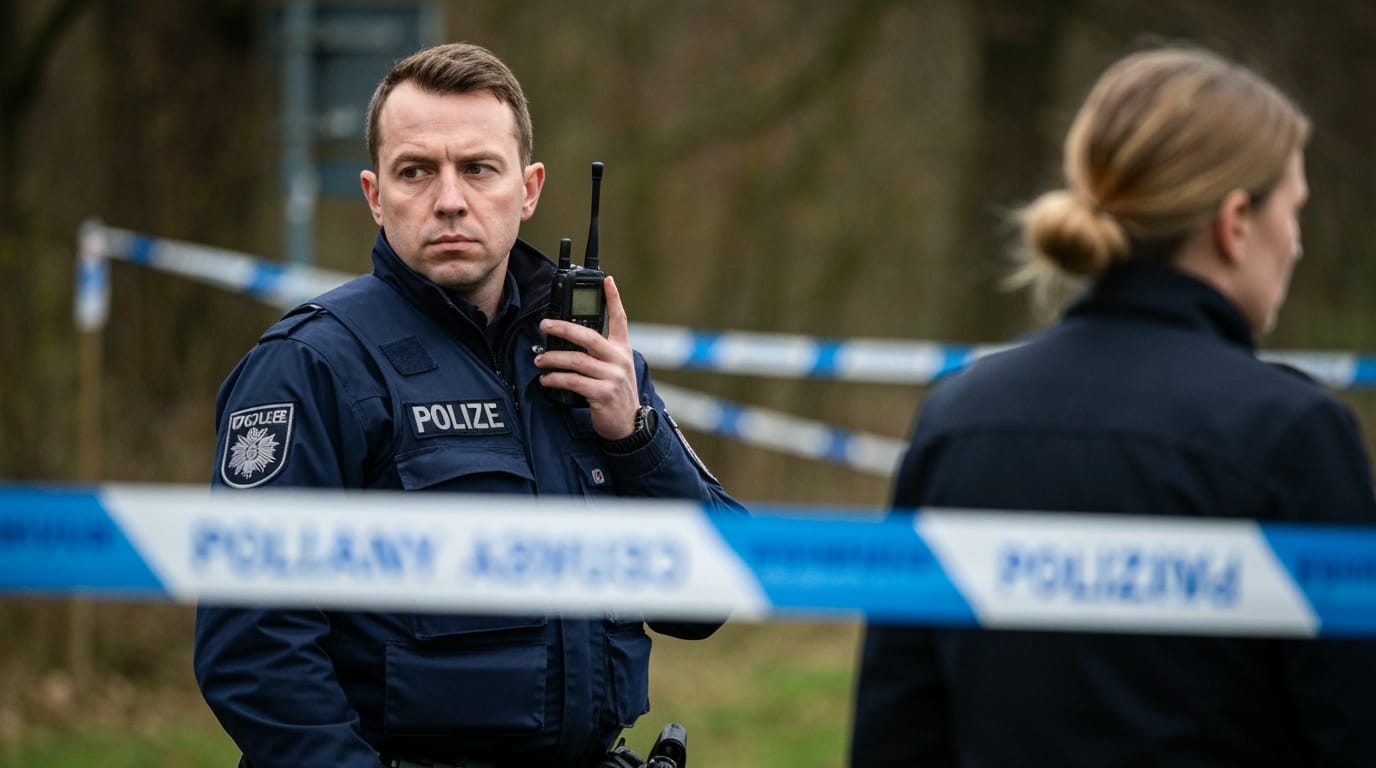
STADE, Germany – Days after a horrific mass shooting rocked a youth welfare facility in Stade, Lower Saxony, German authorities are engaged in the meticulous and often agonizing process of formally identifying the victims, whose individual names have largely remained undisclosed to the public. While six individuals, comprising four women and two men, have been confirmed deceased—all employees of the facility—the personal details of those who lost their lives and the identities of several injured remain a closely guarded secret, underscoring the profound challenge of victim identification in mass casualty events.
The attack, which unfolded on Monday, June 29, 2026, at approximately noon, sent shockwaves through the quiet community of Stade, a town of around 50,000 inhabitants located west of Hamburg. Law enforcement quickly apprehended a 45-year-old German citizen of Turkish descent from the Hanover Region as the presumed shooter, along with two other individuals believed to be connected to the incident. Police speculate the motive may stem from a child custody dispute, an investigation that continues alongside the solemn task of giving names to the fallen.
The Grim Task of Formal Identification
In the immediate aftermath of such a traumatic event, the priority shifts from containing the threat to understanding the full human cost. While initial reports quickly established the number of fatalities and their employment status, the formal identification of each individual is a complex, multi-layered process. Police confirmed that five people died at the scene, with a sixth succumbing to injuries later at a hospital. Beyond these tragic deaths, several others sustained injuries, some serious, for whom no specific figures or identity information have been released. This silence, while often necessary for police procedures and to protect grieving families, leaves communities and the wider public awaiting a full understanding of the tragedy.
Disaster Victim Identification (DVI) protocols, often employed in incidents of this scale, involve a rigorous comparison of post-mortem (PM) data collected from the deceased with ante-mortem (AM) data obtained from missing persons' records and their families. This can include dental records, fingerprints, DNA profiles, and even unique physical characteristics like tattoos or scars. Personal effects found on the bodies can offer preliminary clues, but definitive identification often requires scientific confirmation. The thoroughness of this process is paramount to prevent misidentification, which can inflict further trauma on families. In previous mass casualty events, like the 2015 Paris attacks, forensic operations involved gathering primary identifiers such as DNA profiles, fingerprints, and dental records, alongside secondary identifiers like clothing and jewelry.
The Human Toll Beyond the Statistics
For the families of those affected in Stade, the waiting period for official confirmation of identity can be agonizing. Even when a loved one is known to have been at the scene, the formal identification process can be lengthy, delaying the start of the grieving process and the ability to make funeral arrangements. This period of uncertainty adds an immense psychological burden to an already unbearable situation. The facility itself, which provides accommodation and support services for vulnerable mothers and young children, served a crucial community role, making the loss of its employees particularly poignant.
The withholding of victims' names, standard practice in many European countries during the initial stages of an investigation, aims to protect the privacy of the deceased and their families and prevent sensationalism. However, it also means that the public's ability to fully grasp the human scale of the tragedy is delayed. Community leaders and local residents in Stade are grappling not only with the shock of the violence but also with the abstract nature of the loss until specific individuals can be publicly mourned.
Investigation Continues Amidst Identification Efforts
While the forensic teams meticulously work to identify each victim, the broader criminal investigation into the shooting continues under "high pressure," according to Daniela Behrens, Interior Minister for the Lower Saxony region. The rapid apprehension of the suspected shooter and two other individuals within hours of the incident marked a swift response by law enforcement. The suspected shooter reportedly had a prior criminal record for a threat and did not possess a firearm license, details that will likely form part of the ongoing inquiry into how such an individual obtained a weapon and carried out the attack. The investigation will not only focus on the motive, believed to be a child custody dispute, but also on the exact sequence of events leading to the deaths of six dedicated employees.
The incident has once again highlighted Germany's relatively strict firearm regulations and low rate of gun-related violence compared to some other nations. Despite these measures, isolated incidents involving mass shootings still occur, prompting rapid police responses and national attention. Such cases, while rare, often lead to calls for reassessments of security protocols and support systems for vulnerable facilities.
A Community's Quest for Closure
The town of Stade, like any community reeling from unexpected violence, now faces a period of healing and reflection. The ongoing process of victim identification is a critical step towards providing closure for the families and the community as a whole. As authorities continue their painstaking work, the release of individual identities will allow for a more personal and collective mourning, transforming abstract numbers into cherished lives tragically cut short. The dedication of the forensic teams and investigators in Stade mirrors similar efforts seen in other mass casualty incidents, all striving to bring clarity and dignity to the victims and their loved ones. Until then, the community holds its breath, awaiting the full picture of the lives forever altered by the tragedy at the youth welfare facility.


