Race Against Time: Rescue Efforts Intensify After Devastating Earthquake Rocks Myanmar and Thailand
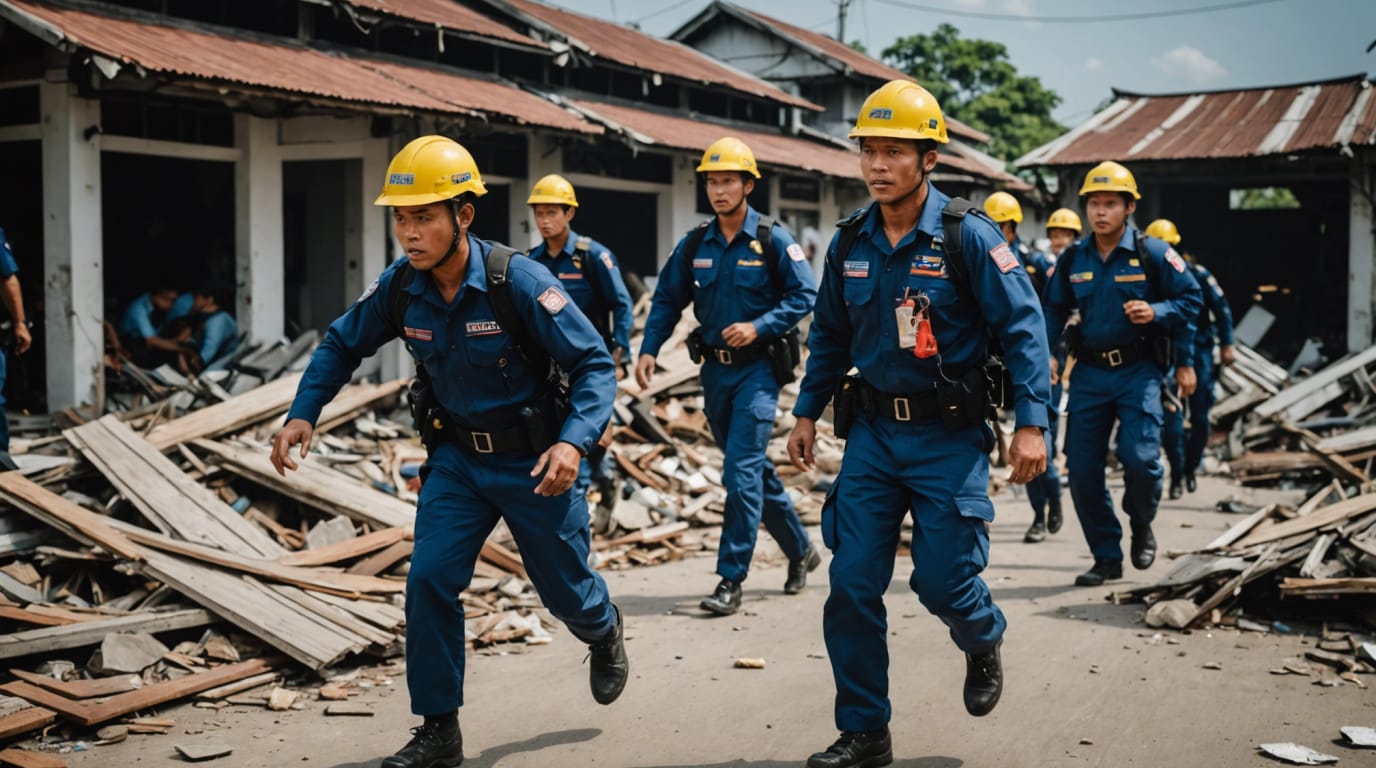
A powerful earthquake has struck Myanmar and Thailand, leaving a trail of destruction and triggering a desperate race against time for rescue teams. The magnitude 7.7 quake, which hit on Friday, has claimed the lives of over 1,000 people and injured thousands more, with the toll expected to rise as rescue operations continue. The disaster has overwhelmed local resources, prompting international aid efforts to assist the affected regions.
Catastrophic Impact in Myanmar
Myanmar has borne the brunt of the earthquake, with the epicenter located near Mandalay, the country's second-largest city. The military government reported at least 1,002 fatalities and nearly 2,376 injuries in the Mandalay region alone. Photos and videos emerging from the affected areas depict widespread damage, including collapsed buildings, cracked roads, and a destroyed bridge. A dam also sustained damage, raising concerns about potential flooding and further complicating rescue efforts. The destruction has severely hampered communication and access to remote areas, making it difficult to assess the full extent of the disaster. The Red Cross estimates that more than 90 people may be trapped in the remains of a collapsed apartment block in Mandalay.
Myanmar already faces a complex humanitarian crisis, adding layers of difficulty to the response. The country's ongoing civil war and limited resources are significant impediments to effective aid delivery. The junta has reported a high demand for blood donations in the worst-affected areas, highlighting the strain on the healthcare system.
Bangkok Reels from Collapsed Building
While the epicenter was far away, the earthquake's impact reverberated through Thailand, particularly in the capital city of Bangkok. A 33-story building under construction near the Chatuchak market collapsed, killing at least 10 people and trapping many others. Rescue teams worked through the night, battling unstable debris and challenging conditions to locate survivors. The collapse caused widespread panic, with people fleeing the area as sirens wailed and traffic ground to a halt. The elevated rapid transit system and subway were temporarily shut down as a precaution.
The building, which was being constructed by the China Railway Construction Corporation for Thailand's government auditor general, crumbled within seconds, leaving behind a heap of rubble and twisted metal. Defense Minister Phumtham Wechayachai stated that at least 90 people were missing after the collapse. First responders managed to rescue seven people from the site, but the search continues for those still trapped.
International Aid and Rescue Efforts
In the wake of the disaster, international aid has begun to pour into the region. China has pledged 100 million yuan ($13.8 million) in emergency humanitarian assistance to Myanmar and has dispatched an 82-person rescue team. India is sending over 15 tonnes of relief materials, including tents, sleeping bags, ready-to-eat meals, and essential medicines, via an Indian Air Force aircraft. The United Nations has also mobilized relief efforts, with teams on the ground providing essential aid and support.
Bangkok city authorities are deploying over 100 engineers to inspect buildings for safety after receiving more than 2,000 reports of damage. Residents remain on edge due to the numerous aftershocks that have rattled the region since the initial quake.
Challenges and the Path Forward
The rescue and recovery efforts face numerous challenges, including the scale of the destruction, limited access to affected areas, and ongoing aftershocks. In Myanmar, the existing humanitarian crisis and political instability further complicate the response. The international community must work together to provide coordinated and effective assistance to both countries.
The earthquake serves as a stark reminder of the region's vulnerability to seismic activity and the importance of disaster preparedness. Building codes and infrastructure need to be strengthened to withstand future earthquakes, and communities need to be educated on how to respond in the event of a disaster.
A Region United in Grief and Resilience
As rescue teams continue their desperate search for survivors, the people of Myanmar and Thailand are united in grief and resilience. The road to recovery will be long and arduous, but with international support and the unwavering spirit of the affected communities, the region can begin to rebuild and heal. The focus remains on providing immediate assistance to those in need and ensuring that lessons are learned to mitigate the impact of future disasters.


