Record Numbers of Women Secure Major Party Nominations for Midterm Elections
Female nominees could break representation records across statehouses and Capitol Hill on Nov. 3, potentially electing historic firsts in several states.
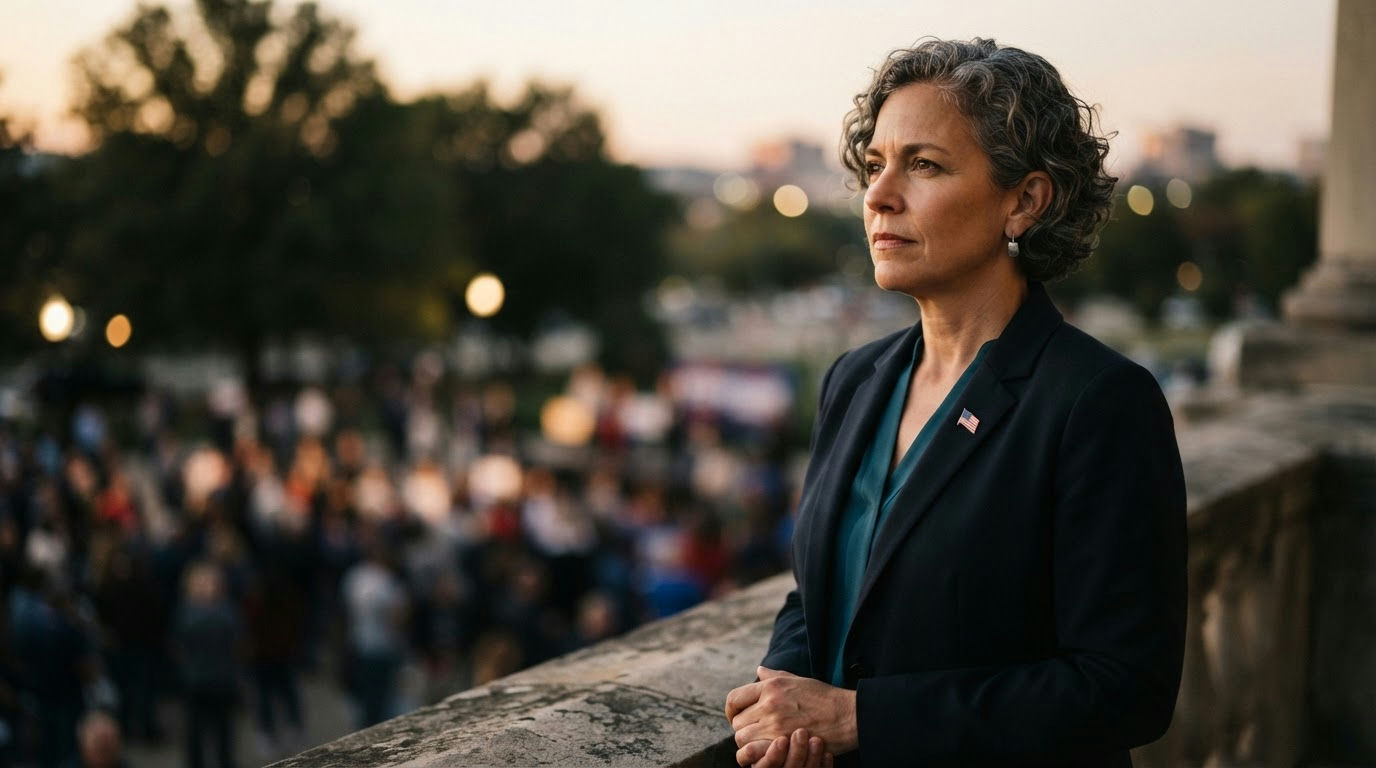
A record surge of female candidates is contesting gubernatorial and congressional seats across the United States in the Nov. 3 midterm elections. Analysis published by Deutsche Welle on Oct. 10 showed that women could achieve historic milestones despite persistent underrepresentation in federal and state offices.
Primary election results yielded a record 26 female major-party gubernatorial nominees, according to the Center for American Women and Politics. In the U.S. House of Representatives, 271 women secured major-party nominations, comprising 198 Democrats and 73 Republicans.
An all-time high of 590 women filed to run for House seats this election cycle. In the U.S. Senate, 19 women are on general election ballots as major-party nominees, making up 26.8% of the candidates.
Several competitive races feature potential historic firsts. In New Mexico, Democratic nominee and former U.S. Interior Secretary Deb Haaland faces Republican Gregg Hull. Haaland would become the first Native American woman governor in U.S. history if elected.
Two sitting female senators are seeking to become the first women elected governor of their states. Republican Senator Marsha Blackburn is running in Tennessee, while Democratic Senator Amy Klobuchar is running in Minnesota. In Ohio, Democratic nominee Dr. Amy Acton is contending to become the state's first female governor.
Democratic candidates Peggy Flanagan in Minnesota and Mary Peltola in Alaska could become the first Native American or Alaska Native women in the U.S. Senate.
House Democratic leadership projected that the party could exceed 100 women in the House Democratic caucus. Representative Teresa Leger Fernández of New Mexico said female voters and candidates will drive Democratic efforts to flip the House majority.
Nonpartisan analysts at the Center for American Women and Politics noted that women remain underrepresented among candidates overall. Women constitute just 27% of all House candidates, 24% of Senate contenders, and 25% of candidates for governor.
Kelly Dittmar, the center's research director, said reaching candidate records expands opportunities, but parity requires institutional support from both major parties. She noted that Senate numbers could drop because four non-incumbent women are favored while two face toss-up races. Additionally, incumbent Republican Senator Susan Collins of Maine faces a vulnerable re-election fight.
Voters previously elected a record 12 women governors in the 2022 midterms. However, overall congressional candidacies among women fell in 2024. Six sitting female governors are leaving office this cycle due to term limits or retirement, leaving overall representation reliant on non-incumbents.
Nationwide voting on Nov. 3 will determine control of all 435 House seats, 35 Senate seats, and 36 governorships. The Center for American Women and Politics will track whether victories expand the current record of 127 women in the House. It will also track whether the number of female governors exceeds the historic high of 12 elected in 2022.