Red Sea Simmers: Houthi Vow of Retaliation Threatens Broader Regional Conflict
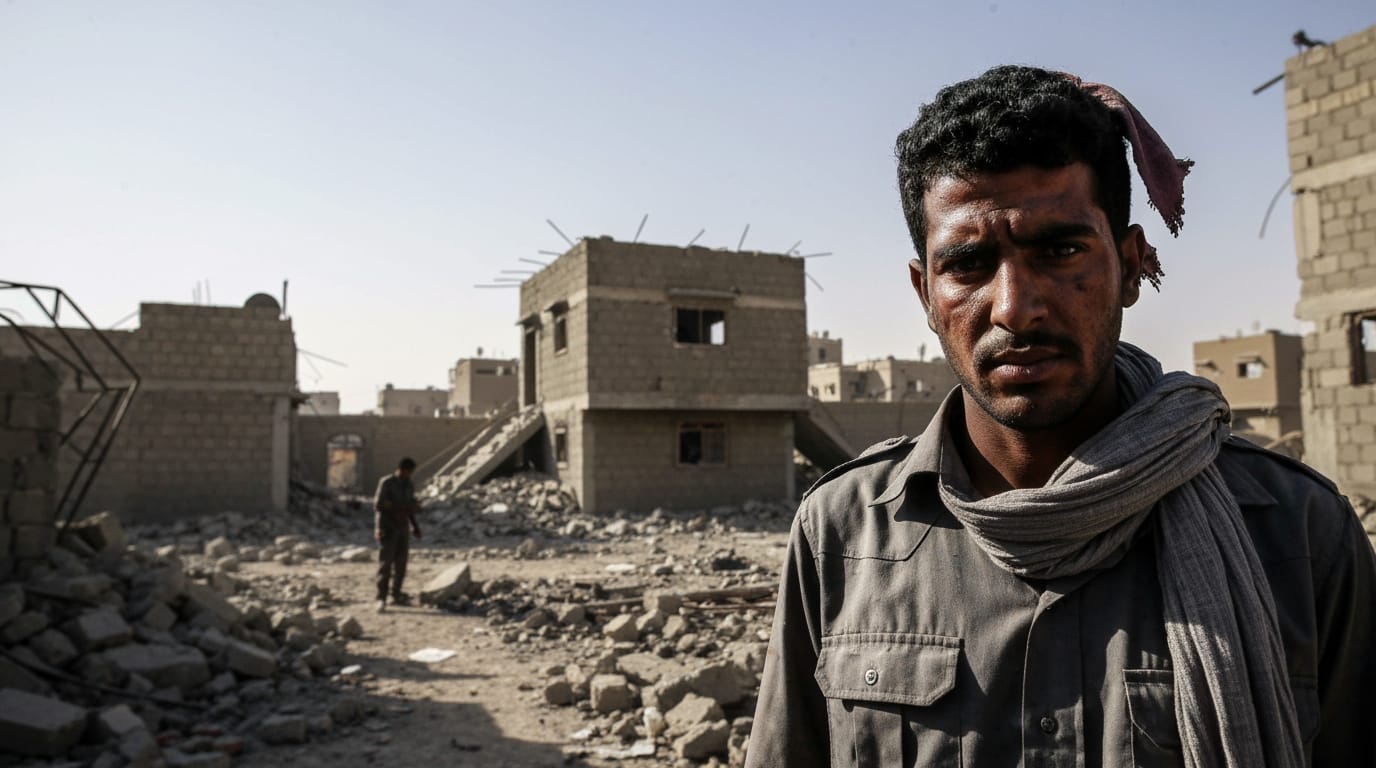
SANAA, YEMEN – The volatile Red Sea has erupted into fresh hostilities, with Yemen's Houthi rebels declaring their intent to retaliate against what they term "dangerous escalation" by Saudi Arabia. The Houthi vow comes on the heels of reported Saudi-led coalition airstrikes on Houthi military sites in Yemen, intensifying a conflict that observers fear could engulf the broader Middle East and severely impact global maritime trade routes. The resurgence of direct military confrontation, particularly involving critical shipping lanes, underscores the fragility of existing truces and amplifies concerns about a region already grappling with multifaceted crises.
The latest round of hostilities was ignited by recent Saudi-led coalition actions in Yemen. On Friday, July 24, Saudi-led forces reportedly conducted airstrikes on Houthi military targets in the Red Sea port city of Hodeida and a military camp on Kamaran Island. These strikes, confirmed by the coalition, were presented as a "proportionate military response" to ongoing Houthi attacks on commercial vessels in the Red Sea. Just days prior, the Houthis had claimed responsibility for striking two Saudi oil tankers, the Encelia and Layla, in the Red Sea using a combination of ballistic missiles, cruise missiles, and drones, reportedly causing fires. They further asserted that they had forced ten other ships to alter course, effectively imposing a maritime blockade on Saudi shipping in the strategic Bab al-Mandab Strait. Adding to the complexity, reports indicate that earlier in July, Saudi Arabia had targeted Sanaa International Airport, allegedly to prevent an Iranian plane from landing, an act which the Houthis also cited as a provocation. This rapid exchange of blows marks the sharpest rupture of a fragile truce that had largely held since 2022, threatening to unravel years of stalled peace efforts.
The Houthi movement, officially known as Ansar Allah, has quickly asserted its readiness to respond to the perceived Saudi aggression. Media outlets affiliated with the Houthis stated that the targeting of civilian facilities constituted a "dangerous escalation" and affirmed that "these recent crimes will not go unanswered." The group's capabilities have evolved significantly over the decade-long conflict, largely attributed to consistent support from Iran. Houthi forces now possess an array of advanced drones and missiles, with some systems reportedly capable of striking targets up to 2,500 kilometers away, placing not only major Saudi cities but also distant regional adversaries within their reach. Reports as recent as July 2026 indicate that Iran has continued to bolster Houthi military prowess, allegedly dispatching Islamic Revolutionary Guard Corps (IRGC) commanders, military advisers, and sophisticated missile and drone equipment to Yemen. These transfers reportedly occurred via a flight that was diverted to Hodeidah after the attack on Sanaa airport. While Iran consistently denies supplying weapons, and the Houthis reject claims of being proxies, the impact of such support on their operational capacity and strategic assertiveness is undeniable.
Saudi Arabia, leading a coalition that intervened in Yemen in 2015 at the request of the internationally recognized government, views the Houthi actions as a direct threat to its security and regional stability. Riyadh has repeatedly accused the Houthis of acting on behalf of "foreign agendas," a clear reference to Iran, suggesting that the group is a tool in a broader geopolitical struggle. The kingdom's military spokesperson, Maj. Gen. Turki al-Malki, reiterated that "all Houthi threats against transiting vessels will be dealt with swiftly and firmly, as such threats are a blatant violation of international law and fall under acts of maritime piracy." The increased importance of the Red Sea route for Saudi Arabia's oil exports, especially amid disruptions in the Strait of Hormuz, amplifies the stakes. Recent data show a significant portion of Saudi seaborne crude exports now depart from its Red Sea port of Yanbu. This makes any Houthi-imposed blockade a direct economic and strategic challenge that Riyadh is unlikely to tolerate.
The deepening crisis in the Red Sea carries profound regional and international implications. The Houthi threat to blockade the Bab al-Mandab Strait, coupled with Iran's parallel capabilities in the Strait of Hormuz, creates a perilous scenario for global energy markets and international trade. The US Secretary of State has publicly commented on the situation, suggesting the Houthis are being manipulated by Iran, highlighting the international perception of Tehran's influence. The humanitarian situation in Yemen, already one of the world's worst, stands to suffer further. More than 22 million people, nearly two-thirds of the population, require humanitarian assistance in 2026, with millions facing acute food insecurity and a collapsing health system. UN-led peace efforts, spearheaded by Special Envoy Hans Grundberg, aim for a nationwide ceasefire and an inclusive political process, but these initiatives are continually undermined by renewed hostilities and the complex web of internal and regional actors. The arbitrary detention of UN personnel by Houthi rebels further complicates aid delivery and diplomatic engagement, hindering efforts to alleviate suffering and foster dialogue.
In conclusion, the Houthis' recent vow of retaliation against Saudi Arabia marks a perilous turn in the protracted Yemen conflict, pushing the region closer to a broader conflagration. The targeted attacks on Saudi shipping and infrastructure, met with retaliatory strikes from the Saudi-led coalition, demonstrate a dangerous cycle of escalation that threatens to dismantle the fragile calm established in recent years. With Iran's reported military support bolstering Houthi capabilities and global maritime routes increasingly under threat, the international community faces an urgent imperative to de-escalate tensions and reignite meaningful diplomatic efforts. The specter of a wider regional conflict and the exacerbation of Yemen's catastrophic humanitarian crisis underscore the immense stakes involved in the Red Sea's simmering conflict.


