Regional Unrest Casts Long Shadow Over Turkey's Tourism Industry
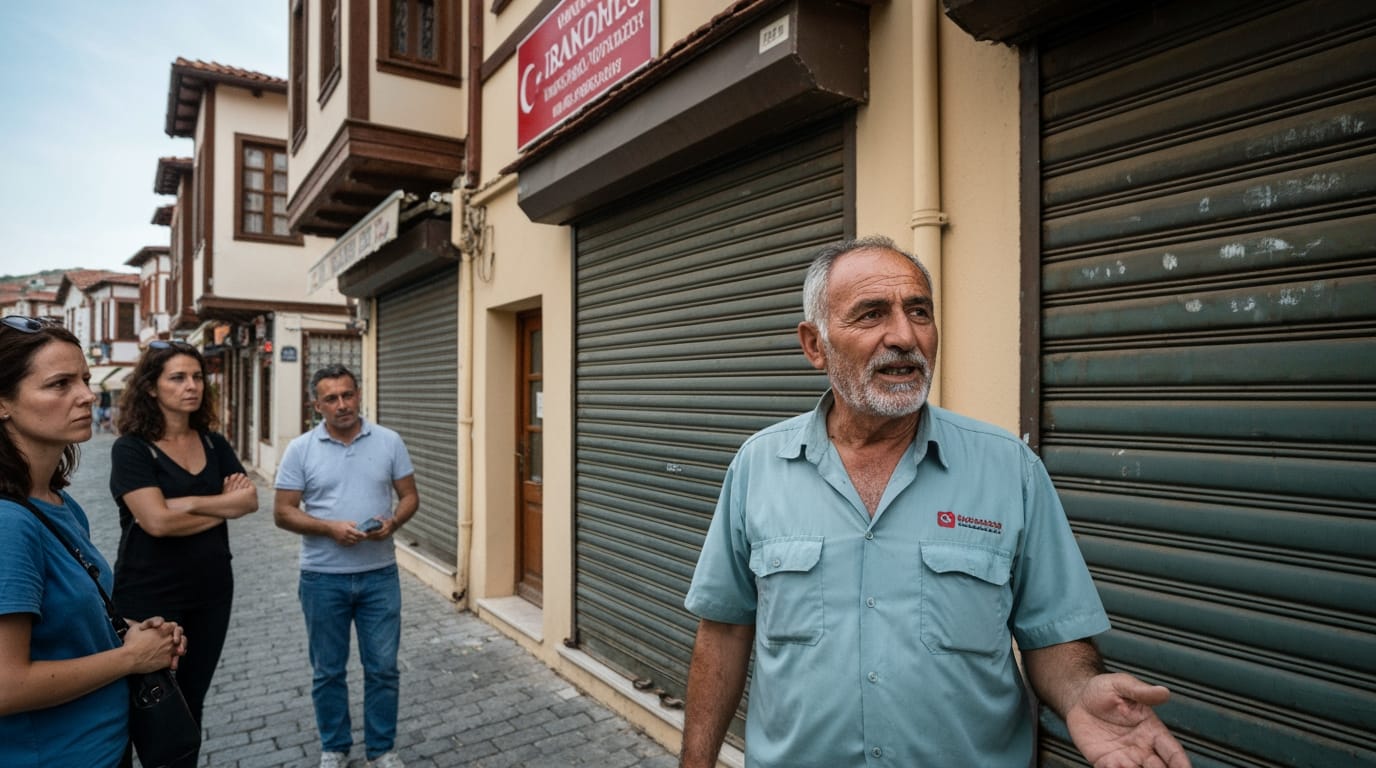
The escalating regional conflict involving Iran, Israel, and other Gulf states has sent significant shockwaves through Turkey's vital tourism industry. While not a direct party to the conflict, Turkey finds itself grappling with the economic fallout of heightened geopolitical instability, leading to a noticeable decline in traveler confidence, widespread cancellations, and a reorientation of tourist flows. The sector, a cornerstone of the Turkish economy, faces substantial challenges as it navigates airspace disruptions, evolving security perceptions, and a projected multi-billion dollar revenue loss.
A Steep Decline in Visitor Numbers and Economic Repercussions
The immediate and most palpable impact of the regional conflict has been a sharp decline in tourist arrivals from several key markets, particularly Iran. Historically a significant source of visitors for Turkey, especially its eastern provinces like Van, the ongoing hostilities have severely disrupted cross-border tourism. Businesses in these border regions, which had anticipated welcoming approximately one million Iranian tourists in 2026, are now facing significant setbacks, with tour programs suspended and a severe reduction in visitor numbers. This downturn extends beyond just Iranian nationals, with a broader wave of cancellations sweeping across the industry, reflecting a general collapse in traveler confidence regarding regional stability.
The financial implications for Turkey's tourism sector are substantial. Reports indicate that the country could face losses of up to $25 billion in tourism revenue. A mere 10% decline in visitor numbers is projected to cost the nation $6 billion, while a more significant 25% reduction in tourist arrivals could translate into losses of around $15 billion. In a pessimistic scenario, the total revenue loss could climb to between $24 and $25 billion, severely impacting a multitude of businesses from restaurants and retailers to transportation services, potentially leading to business closures and increased unemployment in popular resort areas.
Adding to the industry's woes are widespread disruptions to air travel. Airspace closures over conflict zones, along with the subsequent rerouting of flights and increased war risk premiums, are impacting major airlines operating between Europe, Asia, and Africa. Even Istanbul's airports, which have long served as crucial global connection hubs, are experiencing a wave of cancellations and re-routings, further complicating travel to the region.
Shifting Perceptions and Diverging Traveler Trends
The regional tensions are compelling travelers, particularly from Europe, to reconsider their holiday destinations. Many European tourists, including those from Germany and the United Kingdom, are now opting for destinations perceived as safer and more stable, with Southern European countries emerging as preferred alternatives. Travel advisories and the perceived security hierarchy, which often places Turkey a notch below countries like Greece in terms of safety, are significantly influencing booking decisions among nervous travelers.
Despite these broad challenges, the Turkish tourism sector is exhibiting a degree of resilience and adaptability. Some tour operators, for instance, are proactively redirecting clients towards Turkish coastal resorts, leveraging the country's established infrastructure and extensive charter capacity. Moreover, while European caution is evident, there are nuanced shifts in behavior rather than outright cancellations. German tourists, in particular, are not necessarily abandoning their travel plans but are instead adjusting their choices, with Turkey surprisingly emerging as a leading option for some due to its competitive pricing and perceived safety when compared to other, more directly affected Middle Eastern destinations. This suggests a growing segment of travelers who prioritize value and are willing to distinguish between general regional tensions and the specific safety of their chosen Turkish locale.
Paradoxically, the instability in the Gulf region is leading to a surge in Russian tourist arrivals in Turkey. Data from the Turkish Culture and Tourism Ministry reveals a steady increase in Russian visitors, climbing from 6.7 million in 2024 to 6.9 million in 2025, with projections for further growth in the current year. This trend positions Turkey as a "safe haven" for Russian travelers seeking alternatives to other Middle Eastern destinations now perceived as less secure. This diversification of source markets, while not fully offsetting losses from other regions, underscores the industry's dynamic nature.
Economic Headwinds and Industry's Proactive Stance
Beyond the immediate impact on tourist numbers, the regional conflict is intensifying existing economic pressures on Turkey's tourism sector. Even before the current escalation, inflation and currency fluctuations had begun to erode Turkey's traditional price advantage over competitors like Spain and Greece. The potential for prolonged conflict and subsequent increases in global oil prices could further exacerbate these issues by driving up transportation costs for airlines and tour operators. This confluence of factors creates a challenging operating environment for an industry heavily reliant on stable costs and predictable demand.
However, the Turkish tourism sector has a history of navigating crises and has developed robust crisis management expertise. Industry professionals are closely monitoring geopolitical developments and express hope for a swift de-escalation of hostilities to revive bookings for the crucial summer season. To mitigate the adverse effects of prolonged conflict, industry associations like TÜRSAB have suggested that government intervention, such as the reinstatement of incentives and support measures like aviation fuel or cruise ship subsidies—similar to those implemented during previous crises—could be essential for sustaining activity and maintaining tourist flows.
The strategic location of Turkey, bridging Europe and Asia, coupled with its rich cultural heritage and diverse natural attractions, continues to provide strong long-term growth potential. Yet, the coming weeks are deemed critical in shaping the outlook for the 2026 season, as booking activity typically accelerates closer to peak travel periods.
Conclusion
The regional conflict involving Iran presents a multifaceted challenge for Turkey's tourism industry, testing its resilience and adaptability. While the sector demonstrates an ability to attract new markets and some operators are strategically adjusting, the overall landscape is marked by declining international confidence, significant financial pressures, and logistical hurdles. The delicate balance between managing existing economic headwinds and responding to external geopolitical shocks will determine the industry's trajectory. The duration and intensity of the current conflict, alongside the effectiveness of both industry-led adaptive strategies and potential government support, will be pivotal in determining how quickly and robustly Turkey's tourism sector can rebound from these profound shockwaves and continue its path towards sustained growth.


