Renewed Instability in Syria as ISIS Fighters Escape Amid Army-SDF Clashes
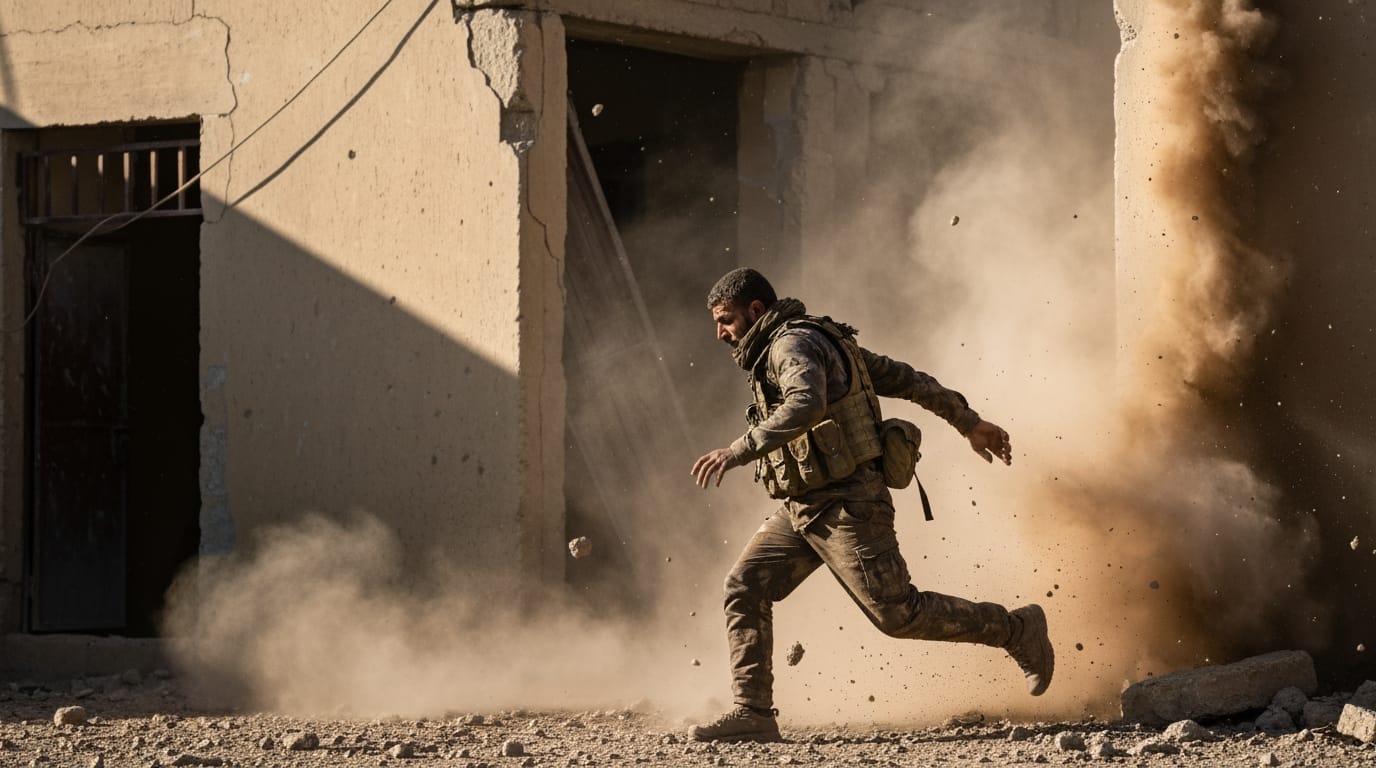
NORTHEAST SYRIA – A volatile new chapter has unfolded in northeast Syria, with dozens of Islamic State (ISIS) fighters reportedly escaping from detention facilities amidst intense clashes between the Syrian Democratic Forces (SDF) and government-affiliated troops. The prison breaks, concentrated around Shaddadi and Raqqa, signal a significant destabilization of the region and rekindle grave concerns about a potential resurgence of the extremist group, once deemed largely defeated. The incidents come as a fragile ceasefire between the SDF and the Syrian government has unraveled, deepening the complex and often contradictory alliances that define the ongoing Syrian conflict.
Chaos Erupts in Northeast Syria
Reports emerged Monday of inmates fleeing prisons in critical areas previously under the control of the Kurdish-led SDF. The most notable incident occurred at Shaddadi prison, located southeast of Hasakah, with the SDF claiming that government-affiliated forces attacked the facility, leading to a loss of control and the escape of an unspecified number of ISIS members. Videos released by the SDF purportedly showed ISIS members being broken out by figures in black balaclavas, while also alleging that several of its fighters were beheaded during the assault. The Syrian Army, however, denied attacking the jail, instead blaming the SDF for facilitating the escapes and imposing a total curfew in Shaddadi to search for the militants. Syrian state news agency Sana reported the escapes and the subsequent curfew.
Further north, clashes were also reported around al-Aqtan prison near Raqqa, with Kurdish sources indicating that two other detention centers in the city, Taameer and a juvenile facility, had been emptied by local populations. The Syrian Army stated it had arrived at al-Aqtan to secure it "despite the presence of SDF forces inside". The exact number of escapees remains disputed, with an SDF spokesperson suggesting that as many as 1,500 ISIS militants, both foreign and Syrian nationals, had been released from Shaddadi prison by Damascus-affiliated armed groups. This rapidly developing situation has thrown the fate of thousands of other ISIS detainees, many of whom are foreign fighters from over 70 countries, into further uncertainty.
A Fragile Truce Shattered
The prison breaks and renewed fighting underscore the escalating tensions between the US-backed SDF and the Syrian government. The clashes occurred mere hours after a tentative ceasefire deal, brokered on Sunday, was meant to halt days of deadly fighting that had seen government forces capture significant territories from the SDF in northeast Syria. This agreement reportedly included provisions for the SDF to withdraw from areas such as Raqqa and Deir al-Zor and for the administration of facilities holding Islamic State members to be turned over to the Syrian government.
However, the recent outbreaks of violence suggest a rapid unraveling of this understanding. Both sides have traded accusations regarding violations of the ceasefire and responsibility for the prison incidents. The Syrian government had explicitly warned the SDF not to use "cases of terrorism for political blackmail" or facilitate the escape of detainees. The SDF, meanwhile, accused Damascus of "violating the recent agreements and betraying our forces," with clashes erupting in multiple locations, including around Deir Ezzor and Aleppo. This breakdown in coordination not only exacerbates an already dire humanitarian situation but also creates dangerous opportunities for extremist elements.
The Enduring Shadow of ISIS
These recent prison breaks serve as a stark reminder of ISIS's enduring threat and its persistent strategy to free its imprisoned members. The group has historically pursued a "Breaking the Walls" campaign, viewing jailbreaks as a crucial method to replenish its ranks and capabilities. This was devastatingly demonstrated in January 2022, when ISIS launched a large-scale, coordinated assault on al-Sina'a prison in Ghuwayran, Hasakah, aiming to free some 3,500 imprisoned fighters. That 10-day battle, which involved US-led coalition airstrikes and resulted in over 500 casualties, saw hundreds of ISIS prisoners escape, highlighting the vulnerability of these makeshift detention facilities across northeast Syria.
Experts and former coalition spokespersons have consistently warned that such prisons are breeding grounds for radicalization and that the inability to securely manage these detainees poses a significant risk of ISIS resurgence. The sheer number of ISIS fighters and affiliates held in precarious conditions, estimated at around 10,000, makes these facilities prime targets for external attacks and internal uprisings. The current chaos provides an opportune moment for ISIS sleeper cells, which remain active in Syria and Iraq, to regroup and re-energize their operations.
International Concerns and Unanswered Questions
The latest developments have elicited immediate international concern. The US-led anti-ISIS coalition has provided support to the SDF in the past, including during the 2022 Hasakah prison break. However, in the context of the recent Shaddadi incident, the SDF stated that the US-led coalition did not respond despite repeated appeals for assistance to a nearby coalition base. Myles Caggins, a former spokesperson for the US-led Global Coalition to Defeat the Islamic State, warned that the situation in northeast Syria is "extreme" and "scary," noting a potential ISIS resurgence amid what he described as limited US engagement.
The international community faces renewed pressure to address the long-standing challenge of thousands of foreign fighters and their families held in northeast Syria. The lack of clear judicial processes and the precarious security situation surrounding these detention centers have been a persistent point of contention. With the Syrian Army extending its control over formerly SDF-held areas, questions loom about the future administration and security of these critical facilities and the broader implications for global counter-terrorism efforts.
The recent prison breaks and the escalating conflict between the SDF and Syrian government forces underscore the profound fragility of Syria's northeast. The immediate priority remains securing the escaped ISIS fighters and preventing them from rejoining the ranks of the extremist organization. However, the broader, more complex challenge involves forging a stable political resolution that can secure these volatile territories and ensure the durable defeat of ISIS, rather than allowing the group to exploit ongoing conflicts for its resurgence.


