Renewed Tariff Threats Ignite Fresh Transatlantic Trade Tensions, EU Freezes Deal
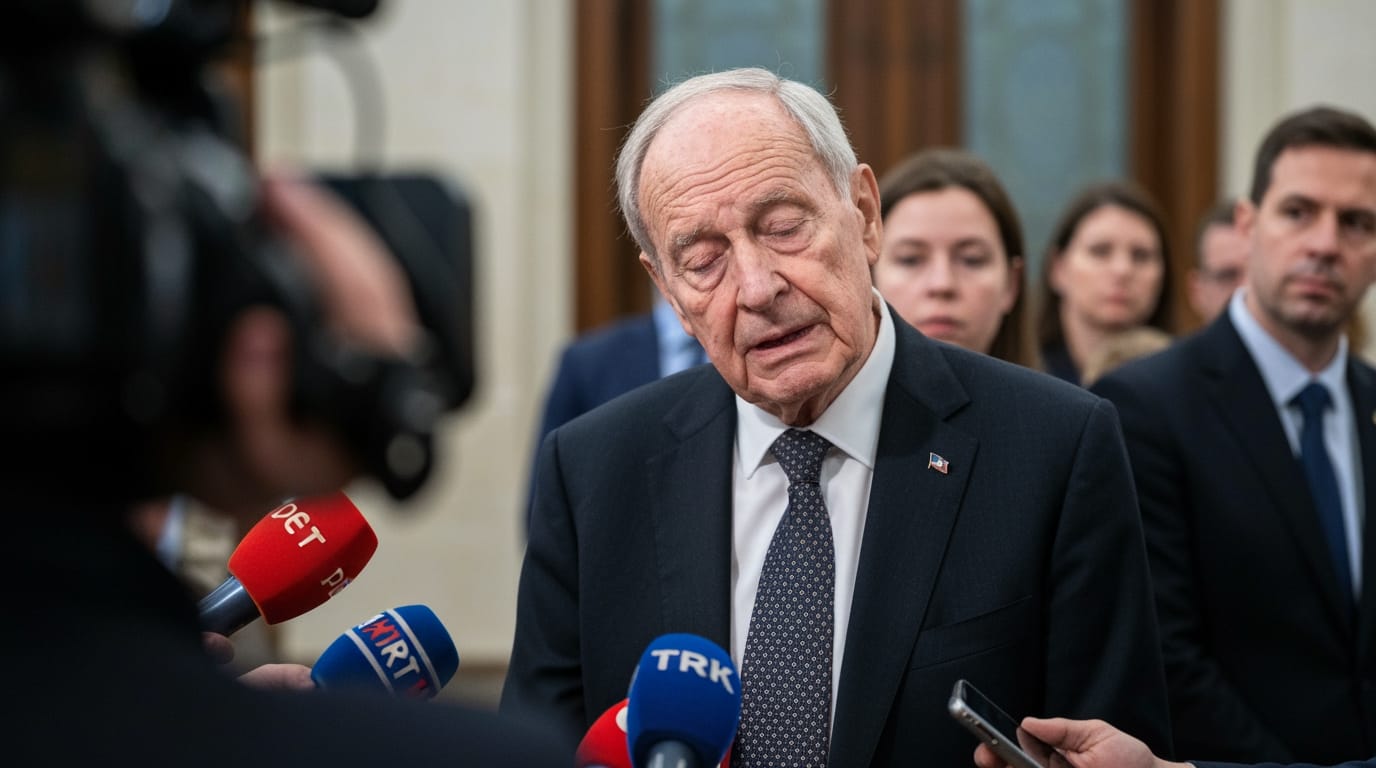
Brussels and major European capitals are bracing for another period of trade turbulence as former U.S. President Donald Trump has reignited tariff threats against several European nations, plunging transatlantic economic relations into renewed uncertainty. The recent threats, linked to a controversial push to acquire Greenland, have prompted the European Parliament to halt progress on a key trade agreement with the United States, signaling a firm response from the bloc and underscoring the volatile nature of global trade in the current political climate.
A Resurgent Threat to Transatlantic Trade Stability
The latest round of tariff threats emerged in mid-January 2026, with Donald Trump specifically targeting eight European countries—Denmark, Sweden, France, Germany, the Netherlands, Finland, Britain, and Norway. The proposed tariffs, set at 10 percent initially and slated to rise to 25 percent by June 1, are explicitly tied to these nations' non-support for the U.S. bid to acquire Greenland. This move has sent immediate ripples through financial markets, with European stock indices experiencing significant falls amidst fears of a rekindled trade war. For industries across the continent, particularly the vital wine sector, the specter of new tariffs evokes deep concern over potential disruptions to orders, harm to jobs, and adverse impacts on local economies. The sudden re-emergence of such aggressive trade posturing recalls the earlier "America First" policies that characterized Trump's previous administration, challenging established global trade norms and alliances.
EU's Firm Stance: Halting Deals Amidst New Demands
In a decisive move, the European Parliament, on January 21, 2026, announced its decision to suspend work on a European Union-U.S. trade agreement. This agreement, sometimes referred to as the "Turnberry deal" or "Scotland deal," was a significant effort to reduce EU import duties on U.S. goods and maintain zero duties for U.S. lobsters. The parliamentary committee chair, Bernd Lange, confirmed that the new U.S. tariff threats had effectively "derailed" the deal, leading to its indefinite suspension. This action by the EU signifies a refusal to acquiesce to demands accompanied by punitive trade measures, particularly those viewed as unrelated to conventional trade negotiations. While the EU had previously sought to de-escalate tensions and even struck a deal for zero tariffs on the U.S. in the summer of 2025, the latest threats have pushed the bloc towards a more assertive defensive posture. Critics within the European Parliament had already voiced concerns about the previous agreement being "lopsided," with the EU committing to cutting more import duties than the U.S.
Economic Fallout and Mounting Industry Unease
The immediate economic impact of the renewed tariff threats has been palpable. European stock markets reacted swiftly, with key indices like the French Cac 40, Germany's Dax, and Spain's IBEX all recording declines. This market instability highlights the deep-seated apprehension among investors regarding the potential for widespread trade disruptions. Beyond the financial markets, specific sectors are voicing serious concerns. Europe's extensive wine industry, a significant contributor to many regional economies, fears substantial fallout. Industry bodies warn that the proposed tariffs would directly undermine local employment, family farms, and entire communities reliant on exports to the lucrative U.S. market. The uncertainty generated by these threats disrupts existing orders and contractual agreements, creating a challenging environment for businesses attempting to plan for the future.
Diversification and Defense: The EU's Broader Trade Strategy
The recurring nature of trade disputes and the unpredictability of U.S. trade policy under certain administrations have consistently reinforced the European Union's broader strategy of diversifying its trade relationships. Facing persistent challenges to the multilateral, rules-based trading system, the EU has intensified efforts to forge new and strengthen existing trade agreements with partners across the globe. This approach aims to reduce the bloc's vulnerability to unilateral trade actions from any single partner, fostering resilience in its supply chains and economic growth. The latest tariff threats related to the Greenland issue further underscore the imperative for the EU to solidify its position as a global trading power less dependent on any one market. By pursuing comprehensive trade deals and advocating for fair, predictable international trade rules, the EU seeks to safeguard its economic interests and promote stability in an increasingly volatile global landscape.
Navigating an Uncertain Global Trade Future
The latest developments in transatlantic trade relations serve as a stark reminder of the enduring fragility within the international economic system. The European Union's swift and unified response to the renewed tariff threats reflects a determination to defend its sovereign interests and uphold the principles of fair trade. While the immediate future of the U.S.-EU trade deal remains suspended, the larger narrative of global trade continues to unfold against a backdrop of geopolitical shifts and economic nationalism. The ongoing tension highlights the delicate balance between protecting domestic interests and fostering robust international cooperation, a challenge that will continue to shape the contours of global commerce for years to come.