Germany Navigates the Complex Tides of China's Industrial Rise: A Balancing Act of Opportunity and Risk
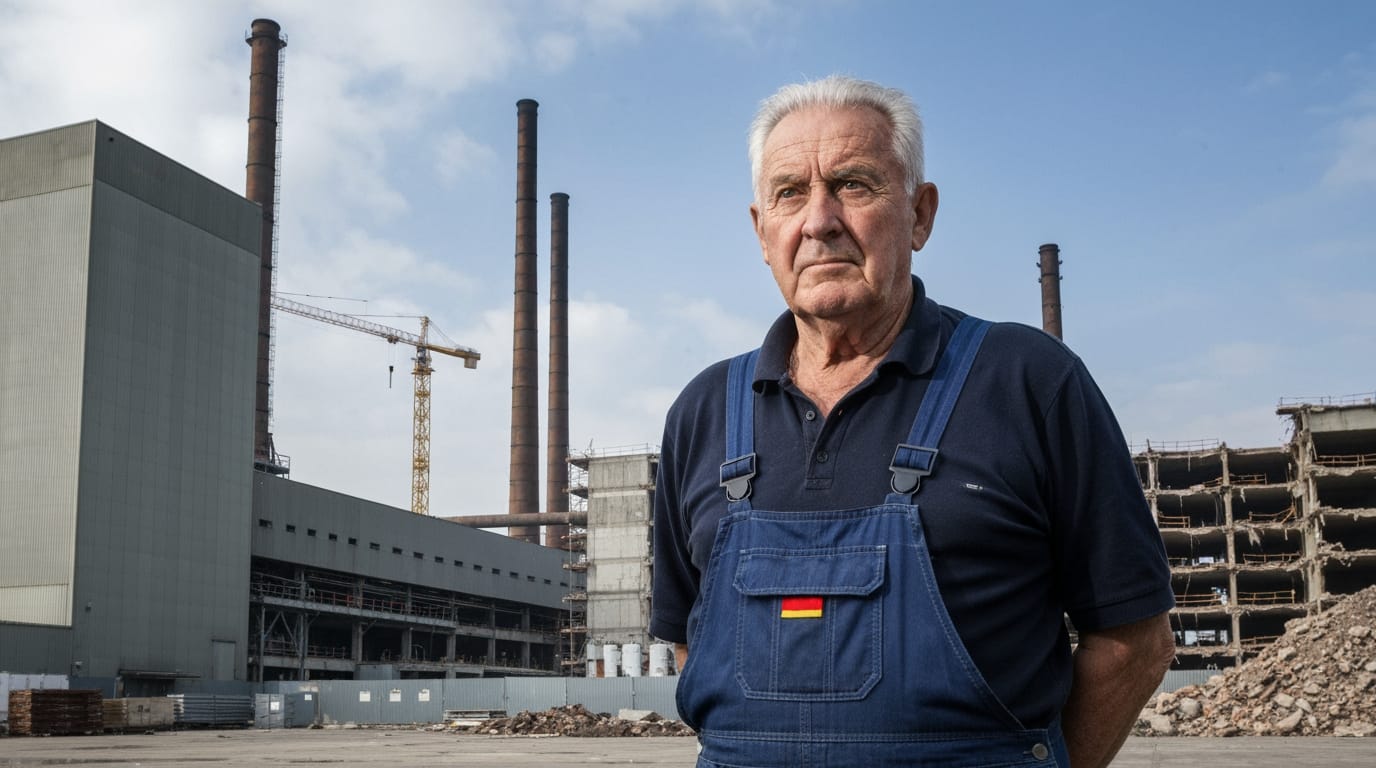
Berlin, Germany – Germany, Europe's economic powerhouse, finds itself at a critical juncture, grappling with the profound implications of China's rapidly expanding industrial might. For decades, the relationship between these two manufacturing giants has been a cornerstone of global trade, characterized by a symbiotic exchange where German engineering prowess found a vast market and a reliable production base in China. However, Beijing's ambition to ascend the industrial value chain, coupled with shifting geopolitical realities, has transformed this once mutually beneficial dynamic into a delicate balancing act of opportunity and inherent risk.
The German government, in its 2023 "Strategy on China," articulated a policy of "de-risking without decoupling," signaling a conscious effort to recalibrate its engagement. This nuanced approach acknowledges China's enduring economic significance while simultaneously addressing growing concerns over competition, dependency, and the long-term sustainability of the bilateral economic relationship. The challenge for Berlin is to safeguard its economic interests and national security in an increasingly complex and competitive global landscape.
The Enduring Allure: China as a Market and Partner
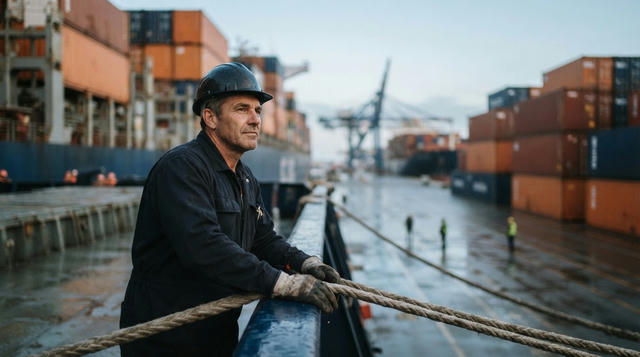
For years, China has represented a powerful engine for German industry. Since 2016, China has consistently been Germany's main trading partner, a position it held through 2023, though it became the second-largest in 2024. Overall, trade with China now constitutes approximately 20% of Germany's total trade. This robust commercial relationship has been fueled by German exports of high-value goods, particularly in the automotive, machinery, and chemical sectors, which found a burgeoning market in the world's second-largest economy. German companies, such as Volkswagen, were among the first Western automakers to establish significant manufacturing facilities in China, with the country becoming Volkswagen's most important market, accounting for 50% of its worldwide sales in 2021. This dynamic created prosperity and sustained high-paying jobs within Germany.
Moreover, China remains a critical source of essential inputs for German industry. Germany relies on China for strategic raw materials, including rare earths, which are vital for the production of electric motors, wind turbines, and photovoltaic systems. China also supplies important intermediate products like semiconductors and pharmaceutical ingredients. This interdependence extends beyond traditional manufacturing, with German Chancellor Olaf Scholz acknowledging China's importance in areas such as energy transition and innovation. Despite geopolitical headwinds, German companies continue to view China as a significant growth market, with many planning to maintain or even expand their investments, particularly in the automotive and chemical industries, reaching a new high in 2023.
The Rising Tide of Competition and Dependency Risks
While the economic benefits remain substantial, China's industrial expansion also presents significant challenges and vulnerabilities for Germany. One of the most prominent concerns is the intensifying competition from Chinese companies, which have rapidly climbed the value chain across a wide array of industries. Sectors that were once German strongholds, such as mechanical engineering and advanced manufacturing, now face formidable Chinese rivals. This competition is particularly acute in emerging and green technologies, where China has established dominance. The European market, including Germany, is witnessing a surge in Chinese electric vehicles (EVs), lithium-ion batteries, and solar panels, prompting regulatory scrutiny from the European Commission over potential subsidies. German automakers, in particular, are feeling the pressure, experiencing a significant decline in exports to China between 2022 and 2024, and losing market share within China itself.
This increased competition contributes to a shifting trade balance. Germany's historically modest trade deficit with China has widened considerably since 2021. By 2024, China had become Germany's top import partner, while only ranking as its fifth-largest export market. Total bilateral trade reached approximately 246 billion Euros in 2024, but German exports to China have shown a decline, partly due to the expansion of Chinese domestic production capabilities.
Beyond direct competition, Germany faces a critical issue of supply chain dependency. The reliance on China for essential intermediate goods and raw materials has increased over the past 25 years. Disruptions, such as those experienced during the pandemic, exposed the fragility of these supply chains, demonstrating that a sudden cessation of Chinese imports could lead to considerable production losses in German industries. The Deutsche Bundesbank has warned that an abrupt economic decoupling due to a geopolitical crisis would severely impact German industry, particularly sectors like automotive, mechanical engineering, and electronics, which are highly reliant on Chinese demand and critical inputs.
Concerns also persist regarding fair market access and intellectual property (IP) protection. European companies frequently report issues with poor IP enforcement, trade secret theft, and pressure for technology transfer in exchange for market access in China. These practices can inflict "irreparable harm" on European businesses, undermining their competitive edge in high-tech sectors.
Germany's "De-risking" Strategy and Future Trajectory
In response to these escalating challenges, Germany has embarked on a strategic re-evaluation of its China policy. The 2023 "Strategy on China" emphasizes reducing dependencies, diversifying supply chains, and strengthening the country's strategic autonomy. Berlin aims to foster a more balanced relationship, focusing on both competition and cooperation, and advocating for a unified European approach to China. Practical steps include tightening foreign investment screening, particularly after a 2016 Chinese acquisition of a German robotics firm, and in 2024, excluding Chinese companies like Huawei and ZTE from its 5G network infrastructure.
However, the implementation of this "de-risking" strategy is complex and often met with internal debate. Some German businesses interpret the approach as a call for deeper localization within China, adopting an "in China, for China" strategy rather than a genuine diversification away from the market. Domestic resistance and corporate lobbying further slow the shift away from entrenched economic ties. For instance, Germany's new EV incentives in 2026 were notable for being open to Chinese brands, contrasting with stricter approaches in other European nations.
Conclusion: A Precarious Path Forward
Germany's relationship with China is undergoing a fundamental transformation, moving from a period of unbridled economic optimism to one marked by cautious competition. China is now simultaneously recognized as a partner for global challenges, a fierce competitor in industrial sectors, and a systemic rival. The nation's industrial strength, once largely complementary to Germany's, has evolved to directly challenge German dominance in key areas, forcing Berlin to confront difficult choices about its economic future.
The path ahead for Germany involves navigating a precarious balance: maintaining vital trade and investment links with China while mitigating economic vulnerabilities and addressing geopolitical risks. Success will hinge on Germany's ability to strengthen its domestic industrial competitiveness, diversify its global partnerships, and effectively integrate its national strategy within a coherent European framework. The ongoing recalibration with China underscores a broader global shift, compelling Germany to adapt its long-standing economic model to the realities of a more fragmented and competitive world.