Reporting from Gaza: A Deadly Assignment for Palestinian Journalists
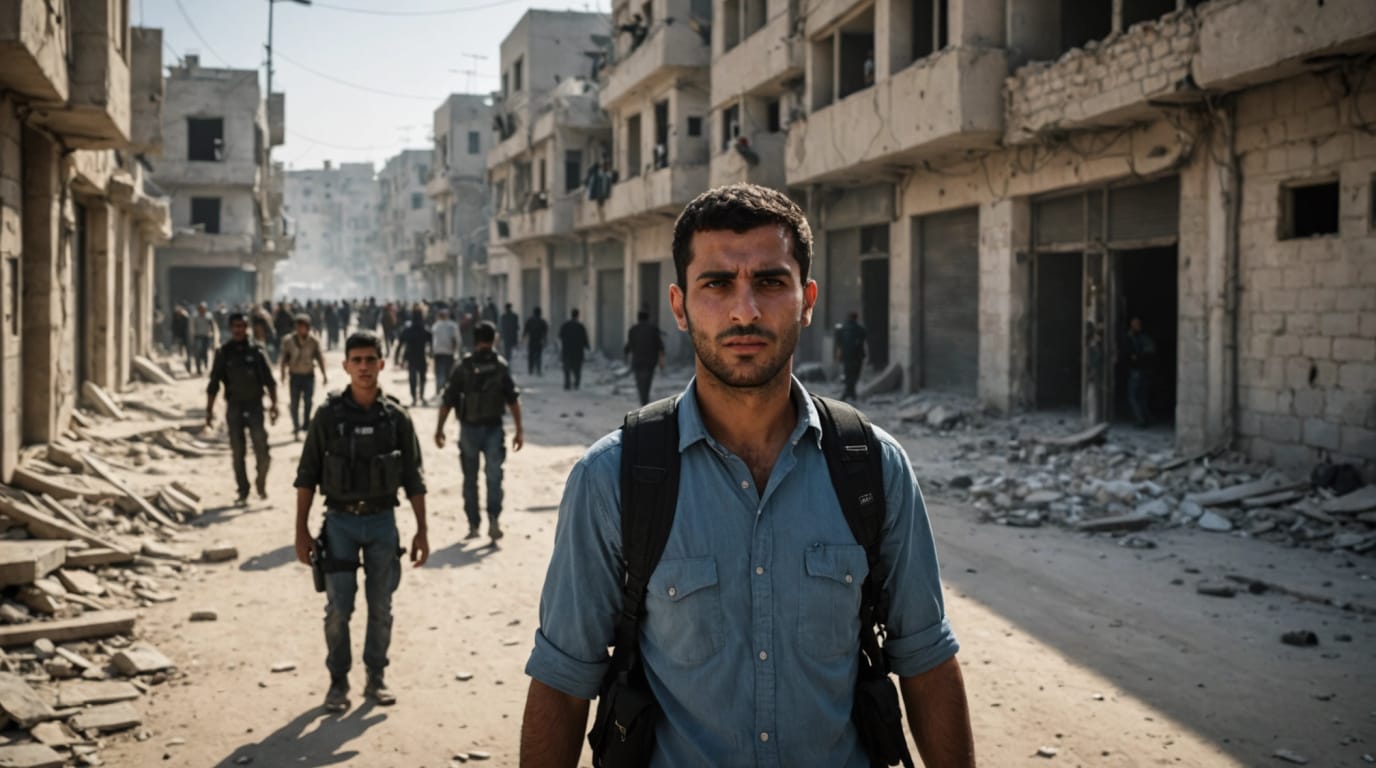
Since the start of the Israel-Gaza war on October 7, 2023, covering events in Gaza has become an exceptionally dangerous undertaking for journalists, particularly for those who are Palestinian. These journalists face unprecedented risks, including airstrikes, lack of resources, and deliberate targeting, making it the deadliest period for the press in recent history. The conflict has not only claimed the lives of a staggering number of journalists but has also created an environment of fear, scarcity, and immense psychological strain for those who continue to report from the ground.
Unprecedented Casualties and Risks
The Israel-Gaza war has resulted in a historic number of journalist casualties. As of March 27, 2025, preliminary investigations by the Committee to Protect Journalists (CPJ) indicate that at least 173 journalists and media workers were among the tens of thousands killed in Gaza, the West Bank, Israel, and Lebanon. Of those, 165 were Palestinian, two were Israeli, and six were Lebanese. This makes it the deadliest period for journalists since the CPJ began gathering data in 1992. The International Federation of Journalists (IFJ) reports a similar figure, stating that at least 168 journalists and media workers have been killed, a mortality rate dramatically higher than any other occupational group.
Journalists in Gaza face immense risks, including devastating Israeli airstrikes, famine, displacement, and the destruction of infrastructure. According to the CPJ, 90% of Gaza's population has been displaced, and 80% of its buildings have been destroyed. These conditions make it incredibly difficult for journalists to document events, investigate potential killings, and report on the ongoing crisis.
Deliberate Targeting and Lack of Protection
There is growing concern among international organizations that journalists are being deliberately targeted. The IFJ has stated that it possesses evidence suggesting the Israeli army has intentionally targeted journalists, and some of these cases are currently part of a complaint filed before the International Criminal Court (ICC). In May 2024, the ICC prosecutor sought arrest warrants for Israeli and Hamas leaders for war crimes and crimes against humanity.
On March 24, 2025, the CPJ condemned the killing of Palestinian reporters Hossam Shabat and Mohammed Mansour by the Israel Defense Forces (IDF) and called for an independent international investigation into whether they were deliberately targeted. Hossam Shabat, who worked for Al Jazeera Mubasher, was killed in an Israeli strike on his car, while Mohammed Mansour, who worked for Palestine Today TV, was killed in an airstrike on his home.
The lack of adequate protection for journalists in Gaza is a significant issue. Many lack essential safety equipment such as helmets and ballistic vests. Some journalists have reported that they avoid wearing such gear because it makes them targets. The absence of international intervention to curb violence against journalists further exacerbates the dangers they face.
Inhumane Conditions and Psychological Impact
The living and working conditions for journalists in Gaza are described as inhumane. A survey by Arab Reporters for Investigative Journalism (ARIJ) revealed that 96% of Palestinian journalists have had to leave their homes, with 88% reporting that their homes were destroyed by bombings. Many now live in tents in refugee camps, lacking food, clean drinking water, clothing, blankets, and hygiene facilities.
Frequent power outages and poor internet connections further hinder journalists' ability to carry out their work. The costs of essential resources such as water, food, and fuel are prohibitively high, limiting their ability to travel and report effectively. Nearly all journalists have reported the confiscation or destruction of their equipment, resulting in an immediate loss of work and purpose.
The psychological impact of these conditions is profound. Journalists live in constant fear, witnessing the deaths of colleagues, friends, and family members. The trauma of reporting on such devastation while struggling for their own survival takes a significant toll on their mental health.
Restrictions and Obstructions to Reporting
In addition to the physical dangers, journalists in Gaza face numerous restrictions and obstructions to their reporting. Israel has imposed strict controls on international journalists, requiring military escorts and pre-broadcast reviews of their footage. This has significantly limited the flow of information from inside Gaza.
The Israeli government has also been accused of making unsubstantiated allegations against journalists, accusing them of being members of militant groups. This creates a hostile environment and further endangers their lives.
Palestinian journalists also face internal pressures. Some journalists suspected of collaborating with Israel have been hampered in their work by Hamas and the Islamic Jihad.
International Response and Calls for Protection
Several international organizations have condemned the attacks on journalists in Gaza and called for greater protection. The International Press Institute (IPI) has urged the international community to take immediate measures to ensure the safety of all journalists in Gaza and has called on Israel to grant international media unimpeded access to the region.
The CPJ has called for an end to the longstanding pattern of impunity in cases of journalists killed by the IDF. United Nations experts have raised concerns over the killings of journalists, stating that they are "alarmed at the extraordinarily high numbers of journalists and media workers who have been killed, attacked, injured and detained in the Occupied Palestinian Territory, particularly in Gaza, in recent months blatantly disregarding international law."
France has also voiced its deep concern about the heavy toll exacted on journalists in Gaza and has demanded that they be protected and that full light be shed on the circumstances of their deaths.
The Role of Social Media
Social media has played a crucial role in disseminating information and documenting events in Gaza, particularly given the restrictions on traditional media. Platforms like TikTok and Instagram have seen billions of posts related to the conflict, providing real-time updates and perspectives from those on the ground.
However, social media also presents challenges, including the spread of misinformation and propaganda. The lack of verification and the potential for biased narratives can further escalate tensions and distort the reality of the situation.
Conclusion
Reporting in Gaza has become a deadly assignment for Palestinian journalists. They face unprecedented dangers, including airstrikes, deliberate targeting, inhumane living conditions, and restrictions on their reporting. The international community must take immediate action to ensure their safety, protect their rights, and hold those responsible for attacks against them accountable. The free flow of information is essential, especially during times of conflict, and journalists must be allowed to carry out their work without fear of violence or reprisal. The world relies on their courage and dedication to bear witness to the truth in Gaza.


