Reports Detail Widespread Torture of Palestinian Journalists in Israeli Prisons
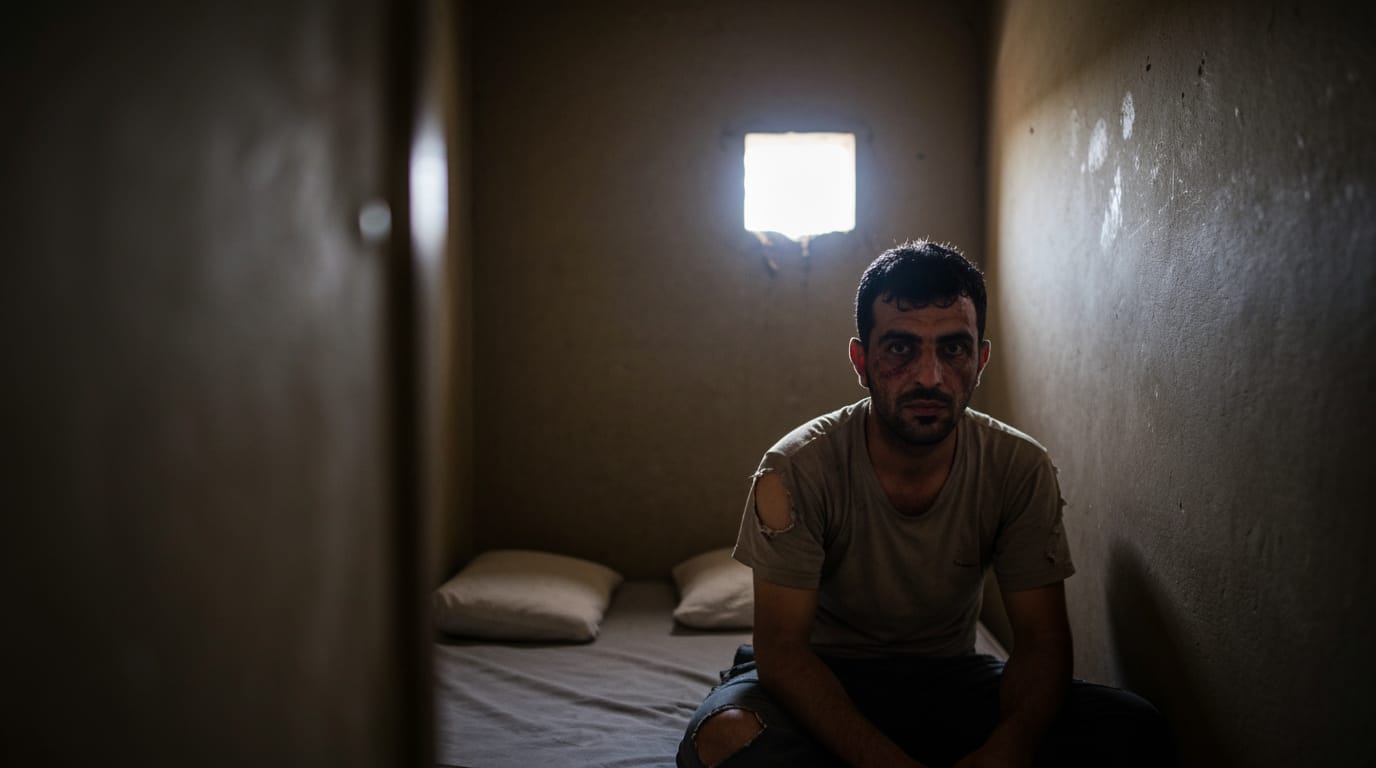
New York, NY – A comprehensive new report released today by the Committee to Protect Journalists (CPJ) alleges widespread and systematic abuse, including torture and sexual violence, against Palestinian journalists held in Israeli prisons. The findings, spanning from October 2023 to January 2026, paint a grim picture of conditions for media professionals detained by Israeli authorities, prompting urgent calls for international accountability and investigations.
The Committee to Protect Journalists interviewed 59 Palestinian journalists who had been released from Israeli custody during the specified period, with 58 of them reporting subjection to what they described as torture, abuse, or other forms of violence. These allegations include severe beatings, prolonged restraint in painful stress positions, exposure to loud and continuous noise, unsanitary living conditions, medical neglect, and severe food deprivation. On average, the interviewed journalists reported losing approximately 52 pounds while in detention. Most of these detainees were held under administrative detention, a controversial practice that allows for indefinite detention without charge or trial, often preventing communication with legal counsel. In response to previous allegations, the Israeli military has stated that detainees are treated in accordance with international law, asserting that journalists are never deliberately targeted and any violations of protocol are investigated.
Harrowing Accounts Emerge from Detention
The CPJ report, titled "'We returned from hell': Palestinian journalists recount torture in Israeli prisons," details a range of horrific abuses. Testimonies describe journalists subjected to beatings that resulted in severe injuries, with some accounts mentioning sexual violence, including rape with objects. One journalist, Sami Al-Sai, reportedly testified to being raped with objects. Another, identified by the pseudonym “Yahya,” described his genitals being bound with zip ties and enduring beatings until urination became impossible without blood, with interrogators reportedly stating he "would no longer be a man." He spent 20 months in Israeli prisons, including three months at the Sde Teiman detention camp, where he described systematic torture aimed at physical and psychological breakdown.
Journalists recounted being held blindfolded for extended periods, stripped, and subjected to incessant loud Hebrew and English music, often referred to by detainees as the "disco room." Any attempt to drift into unconsciousness was reportedly met with electric shocks or physical blows. Beyond physical violence, detainees reported unsanitary conditions, medical neglect leading to serious health complications, and insufficient food. Yousef Sharaf, a journalist, testified that infected wounds from beatings developed abscesses, requiring improvised operations by another detainee who was a surgeon, due to a lack of proper medical care. Dr. Adnan Al Bursh, a prominent orthopedic surgeon, died in Israeli detention after four months, with his widow claiming he endured physical and psychological torture. A former prison guard at Sde Teiman reportedly corroborated accounts of severe abuses, including a detainee allegedly beaten to death.
Separate reports from organizations like Addameer, the Palestinian Prisoner Support and Human Rights Association, have consistently highlighted systemic torture. In one case, journalism student Mays Abu Ghosh was allegedly forced into stress positions, including the "banana" technique, during interrogation, resulting in her face being "full of bruises" and barely recognizable. Addameer asserts that 95 percent of detained Palestinians are subjected to physical torture, often for involvement in political or social activities rather than military offenses. The UN Human Rights Office also reported in July 2024 allegations of torture against Palestinian detainees, including waterboarding, sleep deprivation, electric shocks, and dog attacks.
A Broader Pattern of Repression Against the Press
The allegations of torture and abuse are set against a wider backdrop of increasing risks for Palestinian journalists. The Committee to Protect Journalists has consistently ranked Israel among the top jailers of journalists globally, placing it second in 2024 and third in 2025. Since the outbreak of conflict in October 2023, the CPJ has documented 98 arrests of journalists, with 92 carried out by Israeli authorities. As of February 19, 2026, 30 of these journalists remain in custody.
Reporters Without Borders (RSF) went further, declaring Israel the "worst enemy of journalists" in 2025, attributing nearly half of all crimes against journalists worldwide to the Israeli military. Since October 7, 2023, various organizations have reported an unprecedented number of journalists killed in Gaza by Israeli military operations. The UN Human Rights Office verified the killing of 211 journalists by May 2025, including 28 women. Other figures range from 220 (RSF, December 2025) to over 250 (Palestinian Media Office in Gaza, December 2025). Concerns have been raised by press freedom groups that many of these journalists may have been deliberately targeted, which would constitute a war crime.
Beyond arrests and killings, Palestinian journalists face significant operational challenges. Israeli authorities have reportedly restricted their freedom of movement, often denying press credentials and closing media outlets. Many detainees are held under administrative detention, a measure often justified on security grounds, which allows for detention without charge or trial for potentially unlimited periods. Critics argue this practice facilitates incommunicado detention, increasing the risk of torture and mistreatment. While the focus of current reports is largely on Israeli actions, the Palestinian Authority and Hamas in Gaza have also been accused by human rights organizations of harassing, detaining, and abusing journalists critical of their policies.
Israeli Defense and International Pressure
Israeli military and prison services have consistently denied allegations of systematic abuse, maintaining that all detainees are treated in accordance with international law. The Israel Defense Forces (IDF) states it does not arrest journalists solely for their profession but detains individuals suspected of "terrorist activity." The IDF further asserts that any acts of abuse contravene the law and are subject to investigation, including criminal proceedings where necessary. Reports indicate that the Military Advocate General's office has initiated investigations into alleged abuses at facilities like Sde Teiman. However, some accounts suggest that the Israeli Minister of National Security, Itamar Ben Gvir, has openly used and even boasted about changes in prison conditions to garner political support.
These reports have intensified calls from the international community for greater scrutiny and accountability. The Committee to Protect Journalists has urged international bodies to "take action" and ensure accountability for the harm inflicted upon Palestinian journalists. The UN Human Rights Office has echoed these calls, demanding the immediate release of arbitrarily detained individuals and adherence to international laws prohibiting torture.
Reporters Without Borders has escalated its efforts by filing complaints with the International Criminal Court (ICC), accusing Israel of war crimes against Palestinian journalists. RSF has also called for an emergency meeting of the UN Security Council to address the targeting of journalists. Amnesty International has joined the chorus, advocating for impartial investigations into torture allegations, unfettered access for the International Committee of the Red Cross to detention facilities, and the repeal of the "Unlawful Combatants Law," which facilitates arbitrary and incommunicado detention. Over 60 international organizations have collectively urged the European Union to take action, including the potential suspension of the Israel/EU Association Agreement, and to adopt targeted sanctions against officials deemed responsible for abuses. They also demand an end to the media blackout in Gaza and humanitarian corridors for journalists.
Erosion of Press Freedom and Calls for Accountability
The numerous and consistent reports of torture and ill-treatment of Palestinian journalists in Israeli prisons, coupled with the high death toll of media professionals in the region, represent a severe challenge to press freedom and international humanitarian law. These allegations, thoroughly documented by leading human rights and press freedom organizations, highlight an urgent need for independent and transparent investigations. The systematic nature of the reported abuses and the broad use of administrative detention raise serious concerns about due process and the protection of fundamental human rights. As calls for accountability grow louder from international bodies and civil society, the implications for journalism in the Palestinian territories and the broader international legal framework remain significant, underscoring the critical importance of ensuring journalists can report without fear of repression.