EU Court Delivers Landmark Ruling: Online Gamblers Can Seek Redress Under Home Law
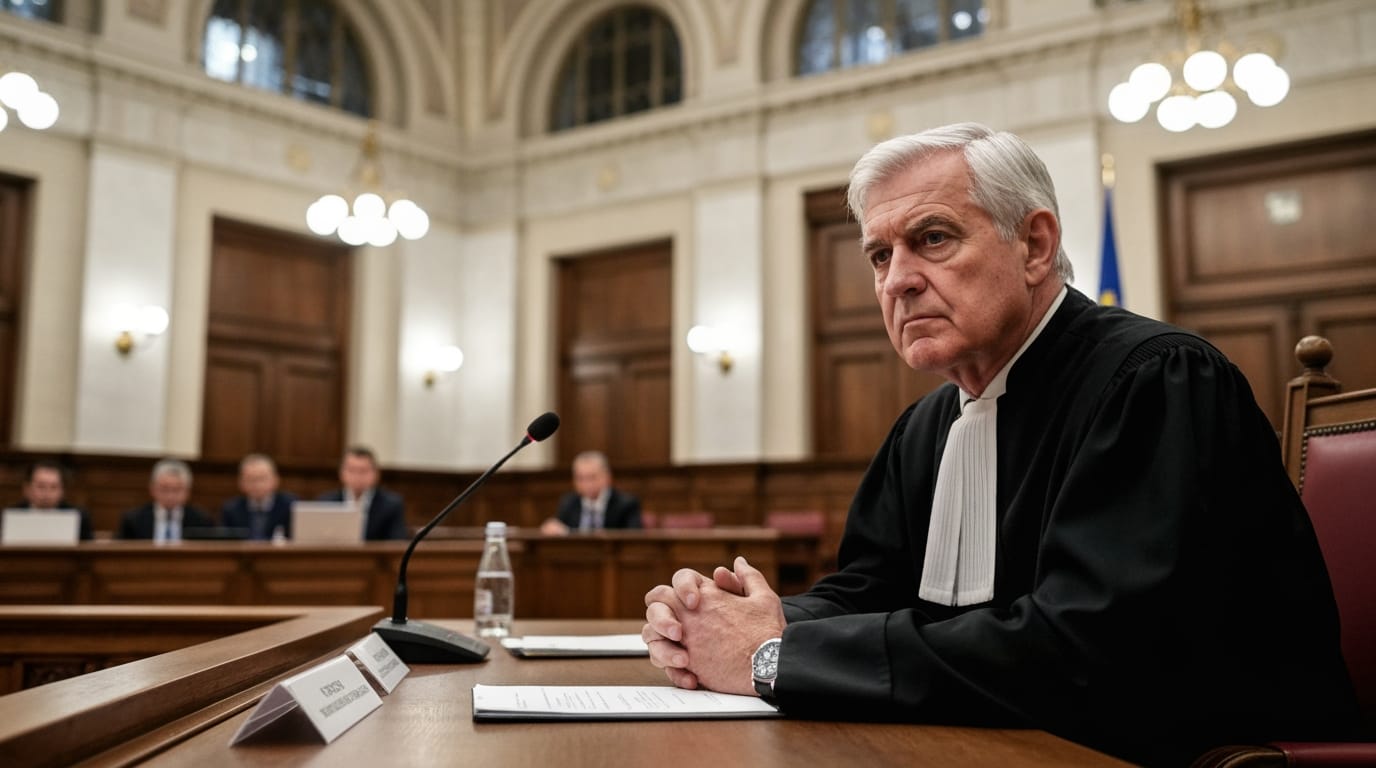
LUXEMBOURG – In a pivotal decision poised to dramatically reshape Europe's online gambling landscape, the European Court of Justice (ECJ) has ruled that individuals who have incurred losses with unlicensed online betting operators can sue for compensation under the laws of their home country. The landmark judgment, issued on January 16, 2026, in Case C-77/24, commonly referred to as the "Wunner" case, significantly strengthens consumer protection and introduces a new layer of accountability for gambling companies and their directors operating across European Union borders.
The ruling clarifies that the financial damage suffered by a player engaging in online gambling activities without a proper national license is deemed to have occurred in the player's country of habitual residence. This effectively allows national courts to apply their domestic laws in such cases, bypassing the complex legal arguments often invoked by operators licensed in other EU member states but lacking authorization in the player's jurisdiction. This decision carries profound implications, potentially opening the floodgates for thousands of refund claims and forcing a rigorous re-evaluation of operational strategies for online gambling providers throughout the EU.
The Wunner Judgment: Where Damage Truly Occurs
At the heart of the ECJ's decision lies a reinterpretation of where "damage" is considered to have occurred in the context of cross-border online gambling. The case originated from a referral by the Supreme Court of Austria, concerning an Austrian player who sought restitution for gambling losses from Titanium Brace Marketing, a Maltese-licensed online operator that did not hold an Austrian license. The operator and its directors contended that any damage would have occurred in Malta, where the company was licensed and registered.
However, the ECJ emphatically rejected this argument. Aligning with an earlier opinion from Advocate General Nicholas Emiliou, the Court determined that because a player's participation in online gambling cannot be confined to a traditional physical location, the damage is sustained in the Member State where the player is habitually resident. This application of the Rome II Regulation, which governs non-contractual obligations, now provides a clear legal basis for players to pursue claims in their local courts, under their national consumer protection laws, against operators who failed to secure the necessary domestic licenses. The ruling effectively confirms that the location of the gambling operator, its servers, or its primary licensing authority is irrelevant in determining the jurisdiction for damages.
Empowering Consumers and Reinforcing National Regulations
For years, the online gambling sector within the EU has operated under a fragmented regulatory framework. While there is no single, overarching EU legislation for gambling services, member states retain the autonomy to organize and regulate these services, provided they adhere to fundamental EU freedoms, such as the freedom to provide services. Many operators capitalized on this, often leveraging a single license from one EU country (like Malta) to offer services across the entire bloc, sometimes without obtaining specific national licenses in every market they served.
The Wunner judgment marks a significant shift, empowering individual gamblers by providing a concrete mechanism to reclaim losses from operators deemed to be operating illegally in their home territory. National courts, particularly in countries like Austria and Germany, have increasingly sided with players seeking refunds, deeming contracts with unlicensed operators as null and void under local law. This ECJ ruling reinforces such national frameworks, asserting that EU law cannot be misused to undermine public policy objectives related to consumer protection and responsible gambling within Member States. It underscores the principle that where an operator lacks the required national license, agreements made with players can be invalidated, opening the door for recovery of lost funds.
A New Era of Accountability: Directors in the Crosshairs
Perhaps one of the most far-reaching aspects of the ECJ's decision is its clarification on the personal liability of company directors. The Court stipulated that claims against company directors for breaching national gambling prohibitions fall outside the exclusions for company law matters under the Rome II Regulation. This means directors can now be held personally responsible for player losses if their company has operated without the necessary domestic licenses, and a breach of tort law (civil harm) can be established.
This move represents a departure from the traditional corporate veil that often shielded individual executives from the financial repercussions of their companies' actions. As the Austrian Supreme Court has also highlighted in subsequent rulings, this decision significantly increases the stakes for anyone managing an online gambling business, potentially exposing personal assets to legal disputes that historically remained at the corporate level. This shift aims to bypass the practical difficulties often encountered in enforcing judgments against corporate entities based in other jurisdictions, making individuals a direct target for claims.
The ruling may also ignite further friction between Member States. Notably, Malta, a prominent licensing jurisdiction for many online gambling firms, enacted Bill 55 in 2023. This law adds Article 56A to its Gaming Act, allowing Maltese courts to refuse enforcement of foreign judgments if they conflict with national public policy. This legislative move by Malta appears to be a direct response to a growing number of player compensation claims originating from other EU countries, setting the stage for potential legal clashes over the recognition and enforcement of judgments.
Reshaping the European Online Gambling Landscape
The ECJ's judgment promises to instigate a significant recalibration across the European online gambling industry. Operators can anticipate increased pressure to secure licenses in every EU market they serve, moving away from past practices of operating in "grey markets" based solely on a single EU license. The cost of compliance is expected to rise, and companies will need to invest heavily in understanding and adhering to the diverse national regulatory frameworks within the EU.
Furthermore, the ruling signals a potential surge in mass refund actions, particularly in jurisdictions like Germany and Austria where consumer litigation funding companies are already actively supporting players in seeking compensation for past losses. While some Austrian Supreme Court rulings in 2024 suggested that if contracts are void, operators could also reclaim winnings from players, effectively making offshore gambling a "zero-sum game", the ECJ's Wunner case specifically addresses the player's right to compensation for losses incurred due to unlicensed operations, prioritizing consumer protection.
This ruling also sends a clear message to national regulators: their efforts to establish and enforce local licensing regimes are robust and supported at the highest European legal level. It challenges the argument that the EU's principle of freedom to provide services automatically overrides national licensing requirements, especially when those requirements are designed to protect consumers from the risks associated with unauthorized gambling.
Conclusion: A New Era of Legal Certainty
The European Court of Justice's decision in the Wunner case marks a watershed moment for online gambling within the European Union. By definitively locating the "damage" at the player's residence and opening the door to personal liability for directors, the ECJ has provided a powerful new tool for consumer protection and reinforced the sovereignty of Member States in regulating a complex and often problematic industry.
This judgment fosters greater legal certainty in a sector long characterized by regulatory ambiguities and cross-border disputes. It demands heightened diligence and compliance from online gambling operators and their leadership, holding them more directly accountable for their activities across the diverse and evolving regulatory landscape of the European Union. While the full repercussions of this ruling will unfold over time, it is clear that the balance of power has shifted, empowering individual players and ushering in an era of enhanced responsibility for all involved in the multi-billion-euro online gambling market.


