Lufthansa Navigates Dual Turbulence: Fleet Restructuring Amidst Labor Strikes and Escalating Fuel Crisis
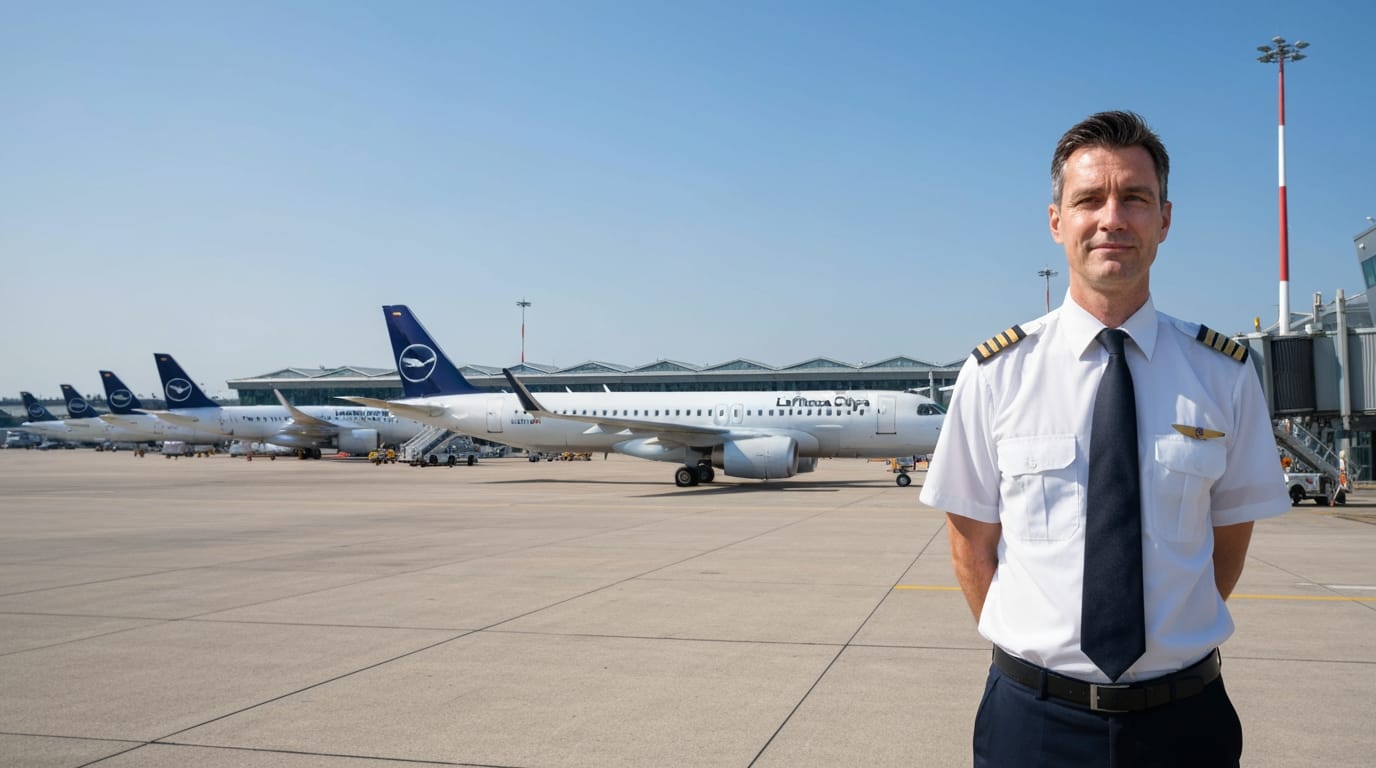
Frankfurt, Germany – Lufthansa Group finds itself at a critical juncture, grappling with significant internal restructuring compounded by external geopolitical pressures. The airline is moving to dismantle its regional subsidiary, CityLine, by year-end, a decision that has ignited widespread labor unrest and led to substantial flight cancellations. Simultaneously, a global surge in jet fuel prices, exacerbated by ongoing conflict in the Middle East, is forcing the German carrier to consider grounding a portion of its older fleet, signaling a turbulent period for one of Europe's largest airlines.
The strategic shift within the Lufthansa Group aims to streamline operations and enhance cost efficiency in an increasingly competitive European aviation market. However, the immediate impact has been a wave of disruption for tens of thousands of travelers and a deepening rift with its workforce.
The CityLine Overhaul and Union Backlash
Lufthansa's plan to phase out CityLine by the close of the year marks a pivotal moment in its operational strategy. The venerable regional carrier, historically responsible for short-haul feeder flights, is slated to be replaced by the newer, more cost-efficient City Airlines, which commenced operations in 2022. This transition, while framed as a necessary measure for long-term viability, has been met with anger and apprehension among CityLine's employees, who fear job losses and uncertain futures.
The proposed closure culminated in a day-long strike on April 10, 2026, orchestrated by the UFO cabin crew union, affecting both mainline Lufthansa and CityLine services across Germany. The industrial action brought significant parts of the national air traffic to a standstill, particularly at major hubs like Frankfurt and Munich. Fraport, the operator of Frankfurt Airport, reported approximately 580 flight cancellations on the day of the strike, impacting an estimated 72,000 passengers. These figures, while encompassing all airlines at the airport, highlighted the considerable fallout from Lufthansa's labor disputes. Jens Ritter, Lufthansa brand chief, publicly condemned the strike as "completely disproportionate," while UFO negotiators asserted that escalating action was unavoidable given the impasse in discussions.
In stark contrast to the unrest at CityLine, Lufthansa's newer subsidiary, City Airlines, recently secured its inaugural collective wage agreement. The deal, brokered by the rival Verdi union after extensive negotiations, promises salary increases of 20 to 35 percent for 500 cockpit and cabin staff over three stages through March 2029. The agreement also includes additional days off, increased vacation time, improved roster planning, and expanded pension support, underscoring a divergent path for the two subsidiaries within the same corporate umbrella. This disparity in labor relations underscores the broader restructuring efforts underway, as Lufthansa seeks to establish a more competitive and flexible operational model for its regional services.
The Headwinds of Rising Fuel Costs
Compounding its internal challenges, Lufthansa is confronting a dramatic increase in jet fuel expenses, largely attributed to the ongoing "Gulf War" and the broader Middle East conflict. Fuel consistently represents a substantial portion of an airline's operating costs, accounting for approximately 22 percent for Lufthansa. The current geopolitical instability has triggered a sharp escalation in kerosene prices, with reports indicating a jump from around $0.50 per liter before the conflict to $1.20 per liter.
This surge in fuel costs is exerting immense financial pressure on the airline. Lufthansa Group CEO Carsten Spohr has acknowledged that the conflict's impact on the aviation market is proving to be "stronger than initially expected," reversing an earlier optimistic outlook. Despite extensive hedging strategies, which cover about 80 percent of its fuel needs, Lufthansa anticipates incurring over €1 billion in additional expenses due to the unhedged portion of its fuel consumption exposed to volatile spot market rates. This financial burden threatens to erode not only passenger operating margins but also profits from its cargo and maintenance divisions.
Strategic Fleet Adjustments in Response to Economic Pressures
In response to the escalating fuel crisis, Lufthansa is actively preparing contingency plans that include the potential grounding of a significant number of aircraft. The airline is considering removing between 20 and 40 older, less fuel-efficient planes from service, primarily Airbus A340 and Boeing 747-400 models. This measure would effectively reduce the group's available seat capacity by 2.5 to 5 percent, allowing it to adjust to diminished demand and the higher cost of operations while minimizing disruption to its core, more efficient fleet. Many of these aircraft were already nearing the end of their operational lifecycles, making their early retirement a strategic choice to mitigate financial losses.
Carsten Spohr informed employees that this proactive fleet reduction is a direct response to record-high kerosene prices and the looming threat of supply shortages. He also indicated that the airline's previously projected capacity growth of 4 percent for 2026 is now "almost certainly unrealistic". This move highlights the airline's commitment to financial prudence in the face of unprecedented economic pressures within the industry.
Geopolitical Instability and Global Supply Chain Vulnerabilities
The "Gulf War" has not only driven up prices but also created significant disruptions within the global jet fuel supply chain. The effective closure of the Strait of Hormuz, a critical maritime chokepoint, has severely impacted European jet fuel imports, which historically receive approximately half of their supply from the Persian Gulf region. This disruption has led Asian refineries to scale back production, further exacerbating the scarcity of kerosene in the global market and threatening the stability of European aviation fuel stocks.
CEO Spohr has warned that kerosene supplies are expected to remain tight and consequently more expensive throughout the year. While Lufthansa has not yet experienced outright fuel shortages that necessitated grounding aircraft, the situation is described as critical at several airports, particularly in Asia, raising concerns about potential future disruptions. This broader geopolitical instability underscores the fragility of global supply chains and their profound impact on industries like aviation, which are heavily reliant on stable and affordable energy resources.
A Future Defined by Adaptation
Lufthansa Group's current trajectory is a microcosm of the broader challenges facing the global aviation industry. The strategic decision to transition from CityLine to City Airlines, while aimed at long-term efficiency, has generated immediate labor discord. Simultaneously, the relentless ascent of jet fuel costs, fueled by geopolitical tensions and supply chain vulnerabilities, is forcing the airline to make difficult operational decisions, including the early retirement of parts of its fleet.
These dual pressures paint a picture of an industry in flux, where airlines must rapidly adapt to both internal restructuring demands and external economic shocks. The outcomes of Lufthansa's current strategies, particularly its ability to navigate labor relations while mitigating the financial impact of soaring fuel prices, will offer crucial insights into the future resilience and adaptability required for survival and success in the evolving landscape of global air travel. The challenges confronting Lufthansa underscore a period of intense transformation, where strategic foresight and operational flexibility will be paramount in securing a sustainable future.


