Landmark Verdict: Jury Declares Live Nation-Ticketmaster a Harmful Monopoly, Reshaping Future of Live Entertainment
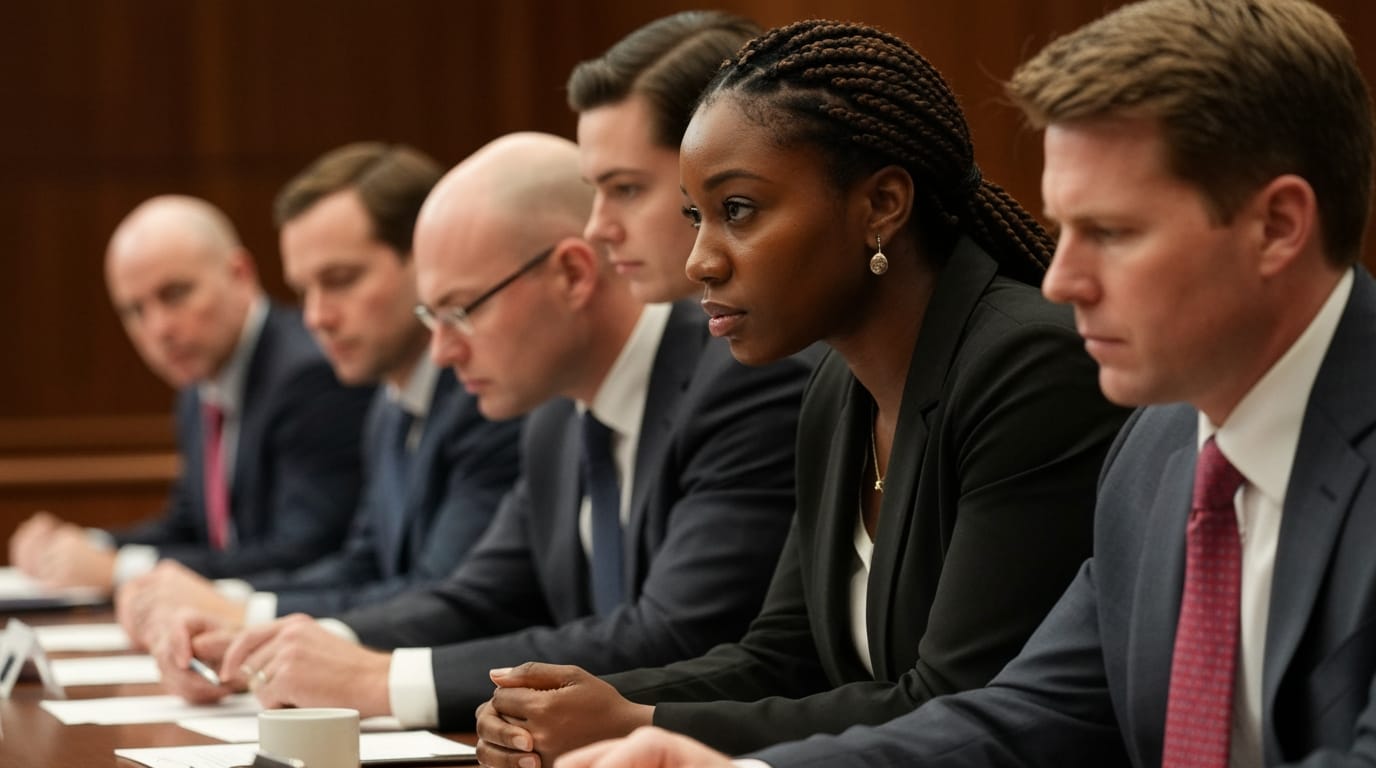
NEW YORK, NY – In a pivotal decision poised to reverberate throughout the live entertainment industry, a Manhattan federal jury on Wednesday found that Live Nation Entertainment and its subsidiary, Ticketmaster, operate as a harmful monopoly over big concert venues, violating longstanding antitrust laws. The verdict, delivered after a four-day deliberation, represents a significant victory for a coalition of over 30 U.S. states that pressed forward with the lawsuit, rejecting an earlier settlement reached by the federal government. This finding marks a potential turning point for consumers, artists, and competitors long critical of the ticketing giant's dominance.
The jury's unanimous decision concluded a five-week trial that laid bare the inner workings of an industry behemoth accused of stifling competition and inflating prices for millions of concertgoers. The verdict could cost Live Nation and Ticketmaster hundreds of millions of dollars, with the jury specifically finding that Ticketmaster overcharged consumers by $1.72 per ticket. This figure applies to tickets sold in 22 states and could be trebled under federal antitrust statutes, though a federal judge will determine the final damages and remedies in a separate proceeding.
A Decades-Long Dominance Under Scrutiny
The roots of this landmark case trace back to the 2010 merger of Live Nation, the world’s largest concert promoter, and Ticketmaster, the dominant force in ticketing. This consolidation created a vertically integrated entity that critics argued wielded unchecked power across nearly every facet of the live event ecosystem: artist management, venue ownership and booking, event promotion, and ticketing services. The Department of Justice (DOJ) initially approved the merger with conditions, which many states and industry observers contended were insufficient to prevent anti-competitive behavior.
For years, allegations have mounted that Live Nation leveraged its expansive network and promotional power to coerce venues into exclusive, long-term ticketing contracts with Ticketmaster. Evidence presented during the trial showcased a pattern of blocking venues from using rival ticket sellers and retaliating against those that sought alternative options. This alleged strategy effectively locked out competitors and limited choices for venues, artists, and ultimately, fans. Live Nation Entertainment currently owns, operates, controls booking for, or holds equity interests in hundreds of venues globally, while Ticketmaster controls approximately 80% of the primary ticket marketplace.
Consumer frustration reached a fever pitch in recent years, notably during the highly publicized 2022 Taylor Swift "Eras Tour" presale debacle, where Ticketmaster's systems buckled under demand, leaving millions of fans unable to secure tickets. While Live Nation attributed that specific incident to a cyberattack, it fueled public and political scrutiny into the company's market practices, drawing increased attention from lawmakers and regulatory bodies.
Inside the Courtroom: Claims and Counterclaims
The trial saw attorneys for the coalition of states paint Live Nation as a "monopolistic bully" that deliberately stifled competition to drive up prices for ticket buyers. They argued that the company’s extensive reach allowed it to dictate terms, forcing venues and artists into disadvantageous agreements. One of the most damaging revelations during the proceedings involved internal messages from a Live Nation executive who, in discussing pricing, referred to customers as "so stupid" and boasted about "robbing them blind, baby." The executive, Benjamin Baker, later offered an apologetic testimony, calling the messages "very immature and unacceptable."
Live Nation, in its defense, maintained that it is not a monopoly and that its substantial market share is a result of superior service, innovation, and diligent effort, rather than anti-competitive tactics. Company lawyers asserted that "success is not against the antitrust laws in the United States," and argued that artists, sports teams, and venues themselves are the primary determinants of ticket prices and ticketing practices. Live Nation CEO Michael Rapino also took the witness stand, addressing various aspects of the company's operations, including the Taylor Swift ticketing controversy.
The states' decision to proceed with the trial came after a significant split with the U.S. Justice Department. In March 2026, just weeks before the jury verdict, the DOJ reached a tentative settlement with Live Nation, which included a $280 million settlement fund for participating states, commitments to cap service fees at certain amphitheaters, and provisions to open parts of its platform to other companies. However, over 30 states, including California and New York, deemed these concessions insufficient and opted to continue their pursuit of the case in court, seeking more comprehensive structural changes.
The Path Forward: Remedies and Industry Reformation
The jury's finding that Live Nation and Ticketmaster unlawfully maintained and abused their monopoly power now shifts the focus to the remedies phase. The presiding federal judge will determine the scope of penalties and, crucially, what measures will be implemented to restore competition to the live entertainment market. Potential outcomes include court orders for Live Nation to divest itself of some of its assets, such as specific venues or even its subsidiary Ticketmaster – a remedy that some attorneys general explicitly called for. Financial compensation for consumers who were overcharged is also on the table.
Attorney General Dave Sunday, representing Pennsylvania, celebrated the verdict as a "huge win for consumers," highlighting that the jury agreed that the companies had a "stranglehold on a multi-billion-dollar industry." Similarly, New York Attorney General Letitia James stated that the jury found what had "long been known to be true: Live Nation and Ticketmaster are breaking the law and costing consumers millions of dollars in the process."
Live Nation has already indicated its intention to appeal the ruling, stating that the "jury's verdict is not the last word on this matter" and expressing confidence that the ultimate outcome will align more closely with the DOJ settlement. This suggests the legal battle is far from over and could extend for several more years.
Nevertheless, the verdict holds profound implications. It sends a strong message about the enforceability of antitrust laws in rapidly evolving digital markets and could empower smaller promoters and ticketing platforms to enter or expand within the industry. For music fans, the hope remains that increased competition will lead to more transparent pricing, lower fees, and a more equitable ticket-buying experience in the years to come. The decision has the potential to fundamentally reshape how live events are organized, promoted, and consumed across the United States.


