Rhineland Carnival Celebrates Amidst Heightened Security Concerns
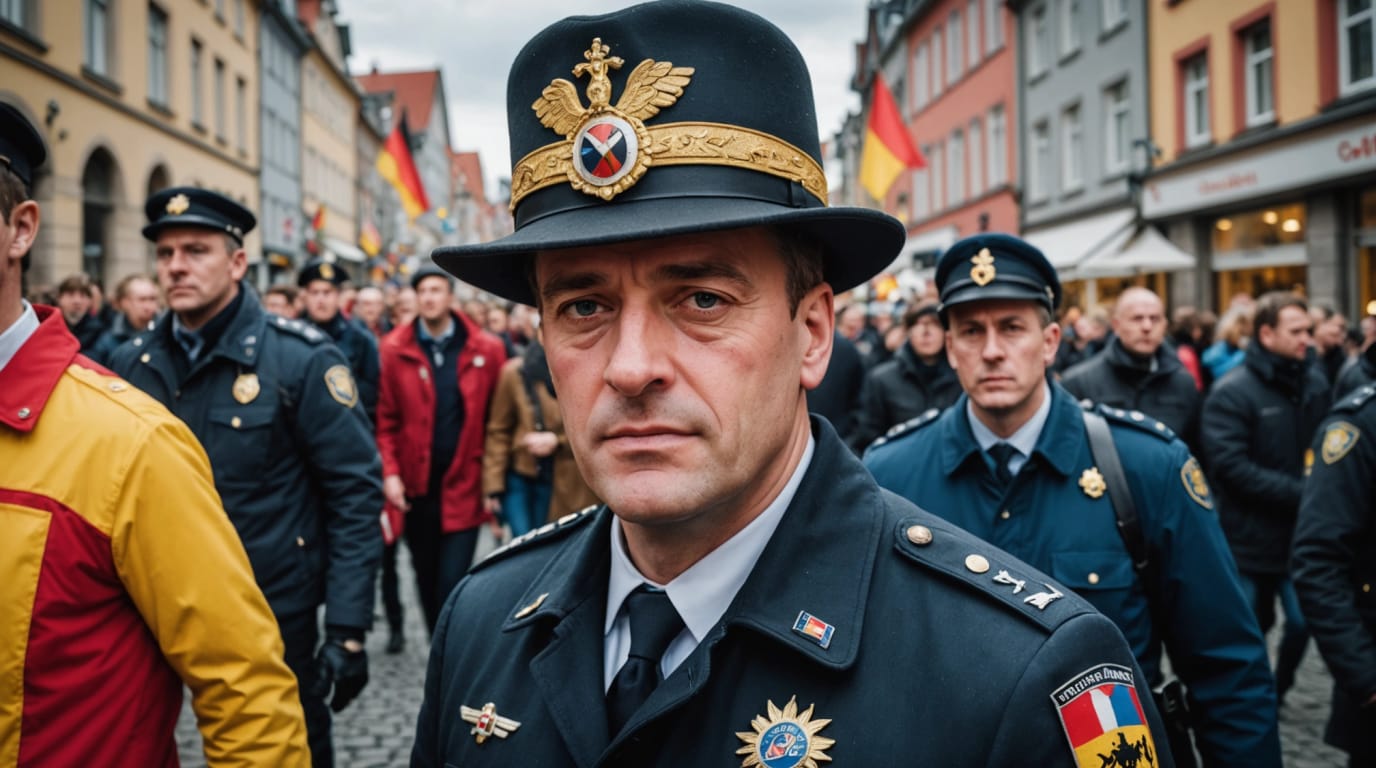
The Rhineland region of Germany erupted in a vibrant explosion of color, music, and revelry as Carnival celebrations kicked off on February 27th, but this year's festivities are unfolding under the watchful eye of increased security measures. Cities like Cologne, Düsseldorf, Bonn and Mainz are seeing a significantly larger police presence as authorities aim to ensure public safety amidst growing concerns.
The annual Carnival, deeply rooted in Rhineland culture, is known as the "fifth season" and traditionally begins on November 11th, reaching its peak in the days leading up to Ash Wednesday. This year, however, recent events have prompted a reassessment of security protocols, leading to a more visible and robust law enforcement presence.
Increased Police Presence and Security Measures
In North Rhine-Westphalia, officials have deployed 9,900 police officers, a substantial increase of 2,500 compared to a typical Thursday. Cologne alone has seen the deployment of 1,500 additional officers, supported by 300 public-order officials and 1,200 private security staff. These personnel are actively patrolling the streets, conducting bag searches, and performing spot checks for prohibited items like knives.
Authorities have also installed barriers in strategic locations to prevent potential vehicle-ramming attacks, a measure implemented in response to evolving security threats. In Düsseldorf, extra mobile barriers have been erected in main public areas and along the parade route. The police are also utilizing drones and other video surveillance tools to monitor the crowds and identify potential risks. Since November, a weapons ban, including knives, has been in place in a large section of Cologne.
Cologne Mayor Henriette Reker urged revelers to celebrate without fear, stating, "Nobody will succeed in intimidating us in Cologne. We will not let terrorists or Islamists take away our joy of life."
Weiberfastnacht: Women Take the Lead
The Carnival season officially ignited with Weiberfastnacht, or Women's Carnival Day, a tradition where women symbolically take power. Celebrations began at 11:11 a.m. on Thursday, February 27th. Women storm city halls, symbolically taking away the keys from the mayors, and playfully cut off men's ties and shoelaces in exchange for kisses. This tradition dates back to 1824, originating in Beuel (now part of Bonn), when washerwomen protested the long working hours they endured while men celebrated Carnival.
In cities across the Rhineland, women, known as "Möhnen," lead the festivities, dancing, singing, and toasting with beer. The streets are filled with colorful costumes, confetti, and the sounds of German brass bands and samba music. Bakeries throughout the region sell vast quantities of jelly donuts, a Carnival staple.
History and Traditions of Rhineland Carnival
The Rhineland Carnival boasts a rich history, evolving from ancient Roman festivals like Saturnalia, where social norms were temporarily suspended. During Saturnalia, masters and slaves swapped roles, and people engaged in revelry, music, and dance. The modern Carnival in the Rhineland emerged in the early 19th century, with the first Rose Monday parade in Cologne in 1823.
Carnival traditions vary from city to city, fostering a sense of local pride and friendly rivalry. In Cologne, the greeting is "Alaaf," while in Düsseldorf and Mainz, it's "Helau." These greetings are more than just words; they represent a deep connection to local Carnival culture. The celebrations also provided an outlet to express anti-Prussian and anti-French sentiments during times of occupation through parody and mockery.
Economic and Social Impact
Carnival is not just a cultural phenomenon; it's also a significant economic driver for the Rhineland region. A 2020 study estimated that the Cologne Carnival generates over €600 million in economic value added. Restaurants, hotels, and retail businesses benefit from the influx of visitors from across Germany and beyond. For the 2024/2025 season, the Institute of the German Economy (IW) expects more than $2.08 billion (€2 billion) in revenue. Restaurants and pubs are expected to profit most with nearly €925 million in revenue, followed by retail (€449 million), transportation (€322 million), and hotel bookings (€240 million).
Beyond the economic benefits, Carnival plays a vital role in fostering social cohesion. It brings together people of different backgrounds and generations, promoting a sense of community and shared identity. The numerous Carnival associations and volunteers demonstrate the high level of civic engagement that the festival inspires.
A Somber Note
On March 3, 2025, a tragic incident occurred in Mannheim, where a vehicle rammed into a crowd during carnival celebrations, resulting in one death and several injuries. This event cast a shadow over the festivities and highlighted the importance of the enhanced security measures in place across the Rhineland.
Looking Ahead
Despite the heightened security and recent tragic event, the Rhineland Carnival continues to be a cherished tradition, a testament to the region's resilience and spirit. The celebrations are expected to continue through Violet Tuesday, with neighborhood parades and the symbolic burning of the "Nubbel," a straw figure that represents the excesses of the Carnival season. As the "fifth season" draws to a close, the Rhineland looks forward to Ash Wednesday and the start of Lent, carrying with it the memories of a vibrant and spirited Carnival, celebrated with both joy and caution.


