Rights Groups Demand Investigation into Burkina Faso Massacres
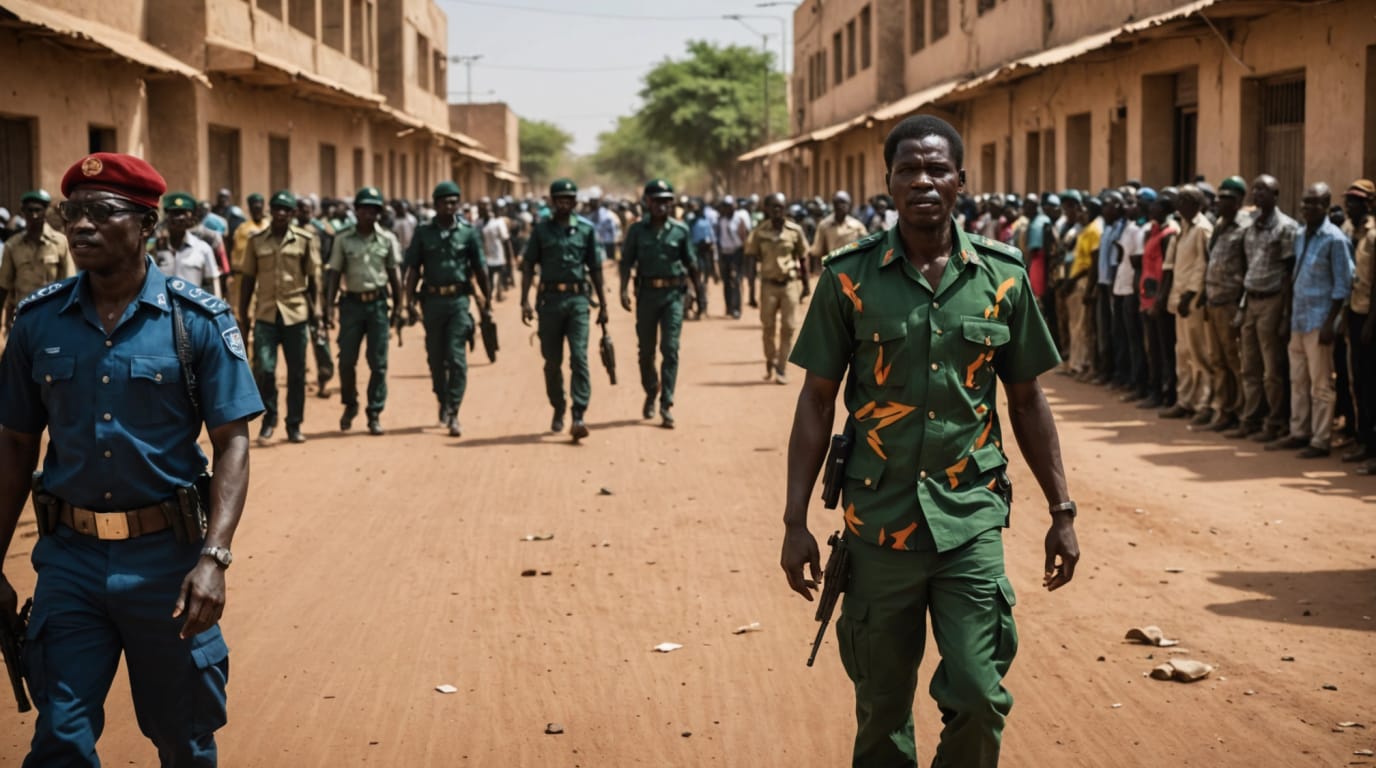
A surge of violence in Burkina Faso has prompted human rights organizations to call for immediate and thorough investigations into alleged massacres of civilians. Recent reports detail a series of incidents involving both government forces and Islamist armed groups, raising concerns about the protection of civilians in the conflict-ridden nation.
The calls for investigations come amid escalating violence in the country, where the government is battling various Islamist armed groups. The situation has created a complex and dangerous environment for civilians, who are often caught in the crossfire or targeted by one side or the other.
Allegations Against Pro-Government Militias
Human Rights Watch (HRW) recently released a report implicating pro-government militias in the massacre of dozens of civilians in and around the western city of Solenzo on March 10 and 11, 2025. The organization cited video footage circulating on social media showing the bodies of men, women, and children, as well as injured individuals with their hands and feet bound. HRW has called on authorities to impartially investigate and prosecute those responsible for these crimes. According to HRW, most of the victims appeared to be ethnic Fulani. HRW has documented that Burkinabè armed forces and Volunteers for Homeland Defense (VDPs) have committed widespread abuses during counterinsurgency operations across the country, including unlawful killings of Fulani civilians whom they accuse of supporting Islamist fighters.
JNIM Claim Responsibility for August Attack
In August 2024, an Al-Qaeda-linked group, Jama'at Nusrat al-Islam wal-Muslimin (JNIM), claimed responsibility for an attack in Barsalogho, during which at least 133 people were killed, including dozens of children, and at least 200 more were injured. Human Rights Watch confirmed through video analysis and witness accounts that least 133 people were killed, including dozens of children. The victims were largely civilians forced to build a trench to protect the town with a military base. JNIM claimed that its forces killed 300 members of the Burkinabè military and affiliated militias.
Past Atrocities and Impunity
These recent incidents are not isolated. In April 2024, Human Rights Watch reported that Burkina Faso's military forces "summarily executed" 223 civilians, including at least 56 children, in two villages in February. The mass killings allegedly took place on February 25 in the northern villages of Nondin and Soro. HRW stated that the massacres appeared to be part of a widespread military campaign against civilians accused of collaborating with armed groups.
The United Kingdom and the United States issued a joint statement in April 2024 expressing grave concern over the reports of massacres of civilians by Burkinabe military forces. They called on the Transition Authorities to thoroughly investigate these massacres and hold those responsible to account.
Impact on Civilians and Humanitarian Crisis
The ongoing violence has had a devastating impact on civilians, leading to mass displacement, food insecurity, and a breakdown of essential services. The targeting of civilians by both state and non-state actors has created a climate of fear and mistrust, making it difficult for communities to rebuild and recover.
The humanitarian crisis in Burkina Faso is further exacerbated by restrictions on media outlets and human rights organizations, which limit the ability to monitor and report on the situation. The UK and the US have strongly opposed the suspensions of media outlets, including Voice Of America (VOA) and the BBC, the blocking of Human Rights Watch's website and restrictions placed on all media from reporting on their articles.
Calls for Accountability and Protection
Human rights groups are urging the Burkinabe government to take immediate steps to protect civilians, investigate alleged abuses, and hold perpetrators accountable. They also call on the international community to provide support for these efforts and to ensure that humanitarian aid reaches those in need.
The need for accountability extends to all actors involved in the conflict, including government forces, pro-government militias, and Islamist armed groups. Without accountability, the cycle of violence is likely to continue, and civilians will continue to bear the brunt of the conflict.
The escalating violence and the alleged massacres underscore the urgent need for a comprehensive approach to address the crisis in Burkina Faso. This approach must include not only military measures but also efforts to promote good governance, respect for human rights, and social cohesion. The international community has a critical role to play in supporting these efforts and ensuring that the people of Burkina Faso can live in peace and security.


