Rohingya Refugees in Bangladesh Face Increased Hardship as Food Rations Plummet
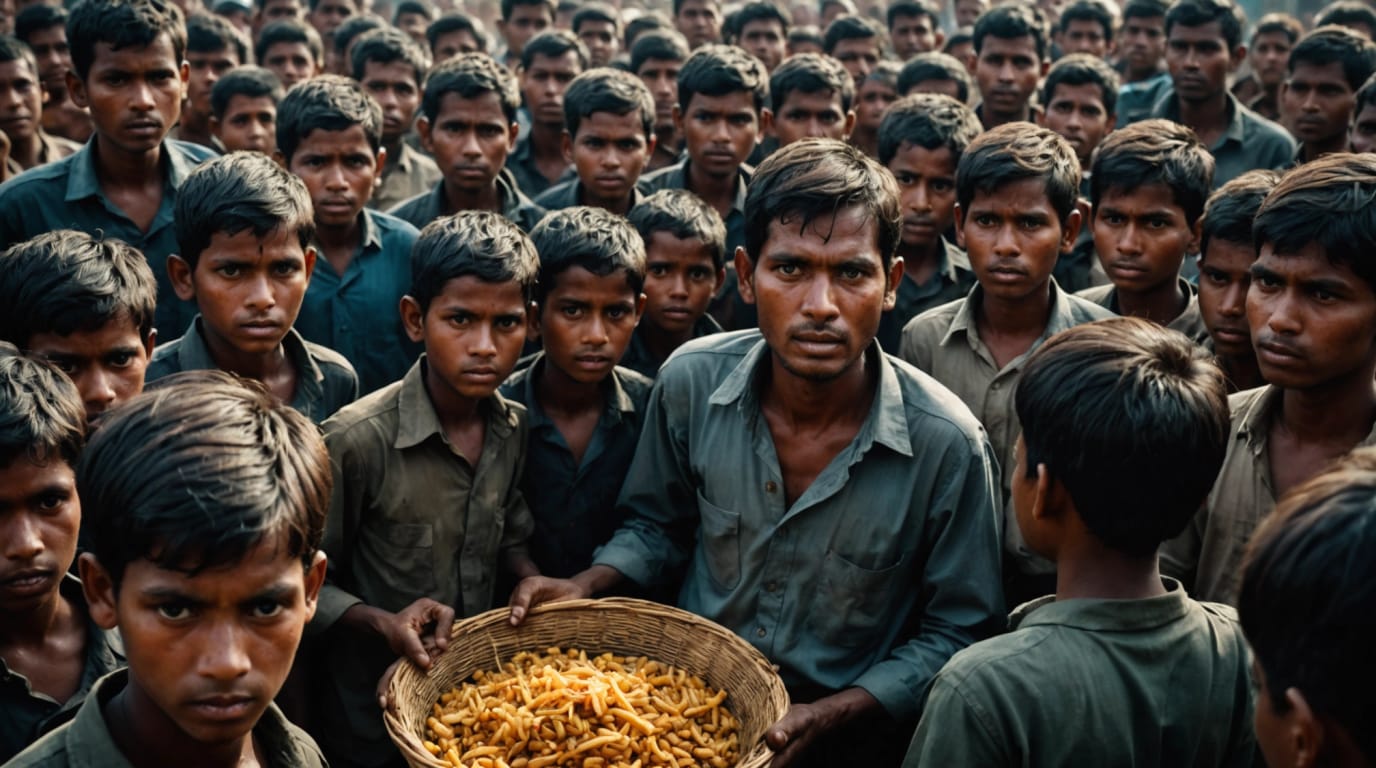
Cox's Bazar, Bangladesh – Hundreds of thousands of Rohingya refugees residing in camps in southeastern Bangladesh are bracing for a dire situation as the United Nations World Food Programme (WFP) slashes food rations due to critical funding shortfalls. The cuts, which will reduce monthly assistance by more than half, are raising alarms about potential increases in hunger, malnutrition, crime, and desperation within the already vulnerable community.
The WFP confirmed it would reduce the monthly food ration from $12.50 to a mere $6 per person starting in April. This drastic reduction is expected to have severe consequences for the refugees, who are almost entirely dependent on humanitarian aid for survival. The Rohingya, a predominantly Muslim ethnic group, fled Myanmar following a brutal military crackdown in 2017 and have since been living in overcrowded camps in the Cox's Bazar district of Bangladesh.
The implications of the ration cuts are far-reaching. With limited opportunities for employment and movement outside the camps, the refugees rely on these rations to meet their basic nutritional needs. A daily allowance of approximately 24 Bangladesh taka (USD 0.22) is insufficient to purchase essential food items. For context, an egg costs 13-14 taka and a banana costs 10-12 taka.
Rising Concerns Over Malnutrition and Health
Aid organizations and refugee advocates are warning of a potential humanitarian catastrophe. The reduced rations are expected to lead to a sharp increase in malnutrition, particularly among children and pregnant women. Healthcare providers in the camps fear a surge in cases of acute malnutrition, which could overwhelm existing medical facilities.
Dr. Zahid Hassan Zihad, who helps run clinics for malnourished children in the camps, stated in 2023 that even before the most recent cuts, the malnutrition rate was at 12%, which he considers an emergency. He fears the situation will worsen significantly. Compromised immune systems due to malnutrition will also make the refugees more susceptible to infectious diseases, further straining the already fragile healthcare system within the camps.
Increased Risk of Crime and Violence
Beyond the immediate health concerns, the ration cuts are expected to exacerbate social tensions within the camps. As families struggle to feed themselves, desperation may drive some to engage in criminal activities to secure food. This could lead to an increase in theft, violence, and other forms of crime, further destabilizing the already precarious environment in the camps.
Wendy McCance, the Norwegian Refugee Council's (NRC) country director in Bangladesh, warned in 2023 that when rations go down, tensions increase as people do what they can to survive, potentially leading to increased crime and violence.
Desperate Measures and Dangerous Journeys
The lack of adequate food and opportunities is also pushing some Rohingya refugees to take desperate measures, including attempting to leave Bangladesh through irregular and dangerous routes. Many are risking their lives by boarding overcrowded boats in search of better opportunities in other countries. These journeys are fraught with peril, and many have fallen victim to human trafficking or have died at sea.
One Rohingya refugee mother told NRC staff that her 13-year-old son was planning to leave the country by sea because they hardly had any food. She expressed her fear, knowing the deadly nature of these journeys.
International Response and Funding Shortfalls
The WFP has attributed the ration cuts to severe funding shortfalls. The United States, historically the largest donor to the Rohingya refugee response, has significantly reduced its aid contributions. This reduction, coupled with decreased funding from other international donors, has left the WFP with insufficient resources to maintain previous levels of assistance.
Some have attributed the funding shortfall to decisions made during the Trump administration, which abruptly ended many lifesaving care programs for Rohingya refugees. However, the WFP maintains that the decision is due to a broad shortfall in donations.
Calls for Increased Support
Aid organizations and refugee advocates are urging the international community to step up its support for the Rohingya refugees in Bangladesh. They are calling on donor countries to increase their financial contributions to the WFP and other humanitarian agencies working in the camps. They also emphasize the need for Bangladesh to ease restrictions on refugees' ability to work and earn a living, which would reduce their dependence on aid.
The Rohingya Rights Advocacy Network (RRAN) has described the ration cuts as a "slow death sentence" for the refugees, who are already struggling to survive. They are urging the international community to take action to prevent a humanitarian catastrophe.
The situation in the Rohingya refugee camps is becoming increasingly desperate. Without a significant increase in international support, the refugees face a grim future marked by hunger, malnutrition, and increased vulnerability. The international community must act swiftly to avert a humanitarian disaster and ensure the protection and well-being of this vulnerable population.


