Russia and Iran: An Alliance Forged in Necessity, Tempered by Distrust
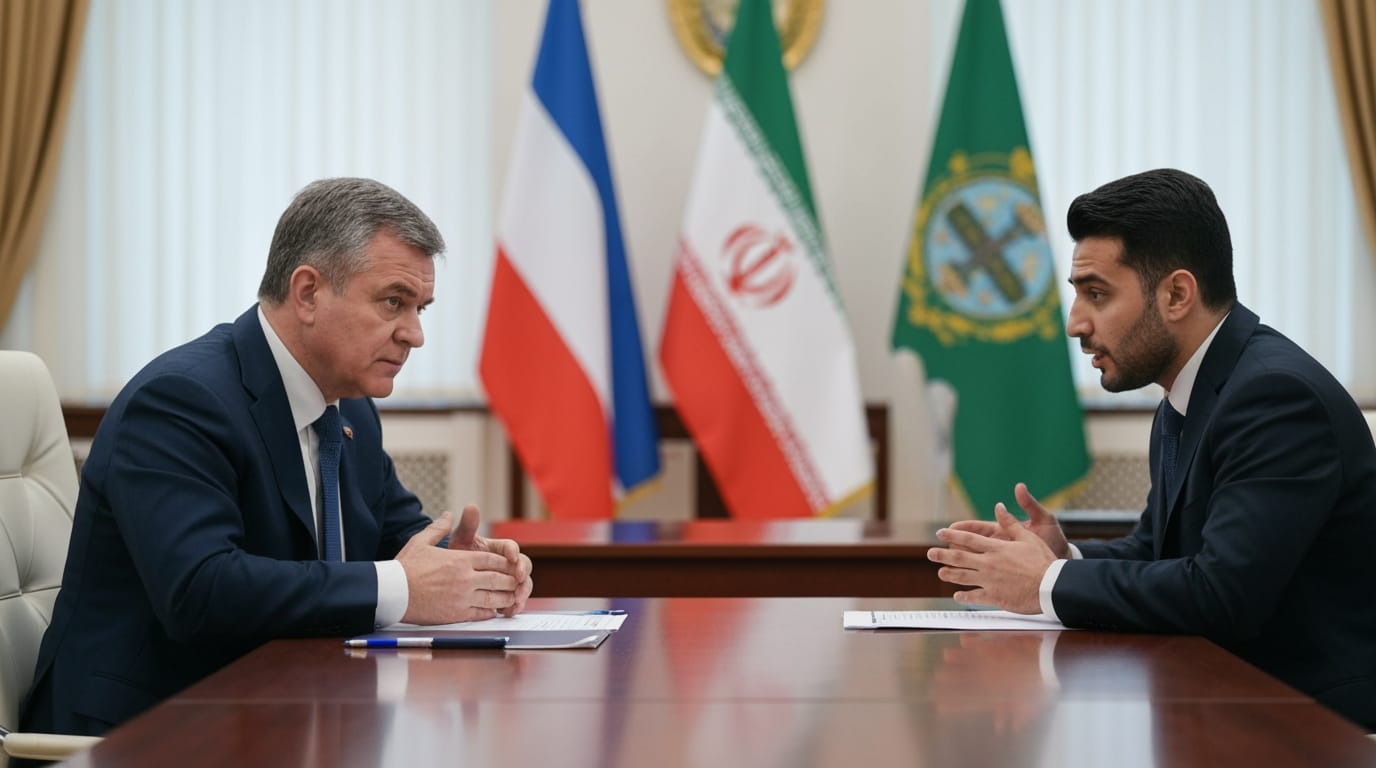
The deepening ties between Russia and Iran represent a strategic alignment born primarily out of shared geopolitical isolation and a mutual adversary in the West. This evolving partnership, solidified by a recently signed 20-year comprehensive strategic partnership treaty, has profound implications for global security and regional dynamics. While often framed as a robust axis challenging the established international order, the relationship remains fundamentally transactional, carefully navigating centuries of historical mistrust and underlying competitive interests. Its fragility persists beneath a veneer of cooperation, driven by immediate necessities rather than deep ideological unity.
Foundations of Necessity: A Shared Adversary
At the core of the burgeoning Russia-Iran partnership is a common experience of extensive Western sanctions and diplomatic isolation. Russia has faced severe economic penalties since its full-scale invasion of Ukraine in 2022, while Iran has endured decades of restrictions over its nuclear program and regional activities. These external pressures have compelled both nations to seek alternative avenues for trade, military cooperation, and political leverage, finding common ground in a shared desire to challenge what they perceive as a Western-dominated global order and diminish American influence. The Comprehensive Strategic Partnership Treaty, signed in January 2025, underscores this intention, aiming to strengthen bilateral relations across political, economic, and military sectors over the next two decades. This agreement signals a shift towards a more enduring alignment, moving beyond purely opportunistic transactions, yet still subject to significant structural constraints.
Military and Strategic Convergence on the Battlefield and Beyond
The military dimension of the Russia-Iran partnership has been particularly pronounced, notably in their joint efforts to support the Assad regime in Syria since 2015. Both countries provided crucial military backing, with Russia offering decisive air power and Iran supplying ground forces, intelligence, and logistical support through the Islamic Revolutionary Guard Corps and affiliated militias. This cooperation established crucial bureaucratic channels and command structures, facilitating joint military operations. More recently, Iran has supplied Russia with a significant number of drones, including Shahed-131/136 and Mohajer-6 series, for use in the Ukraine conflict, elevating the bilateral military relationship to a new level. In return, there is potential for Russia to provide Iran with advanced military technology, such as Su-35 fighter jets, Mi-28 attack helicopters, and the S-400 air defense system, though some promised deliveries have been delayed or failed to materialize. Beyond conventional arms, cooperation extends to intelligence sharing and joint military exercises, formalizing aspects of their security alignment. In the civilian nuclear sphere, Russia has also been a key partner, constructing and operating the Bushehr Nuclear Power Plant, further cementing their strategic ties.
Economic Interdependencies and Persistent Challenges
Economically, the imposition of Western sanctions has driven Russia and Iran closer, transforming Russia into a critical trading partner and investor for Iran. Bilateral trade intensified following Russia's invasion of Ukraine, reaching record levels before experiencing a slight decline in 2023. Efforts to circumvent Western financial systems include linking their payment systems to bypass the Society for Worldwide Interbank Financial Telecommunication (SWIFT). Infrastructure projects like the North-South Transport Corridor are being prioritized to foster trade and establish alternative economic lifelines. Despite these collaborative endeavors, the economic relationship faces inherent challenges. Both nations are major global producers of oil and gas, leading to natural competition for market share. Russia's entry into certain Asian markets with discounted oil has reportedly captured a portion of Iran's traditional customers, impacting Iranian revenues. Furthermore, Iran's energy sector struggles with underinvestment, aging infrastructure, and technological constraints exacerbated by sanctions, contributing to a reliance on imported gas despite possessing vast reserves. These economic incompatibilities, alongside internal political and currency devaluation issues, pose significant barriers to the long-term sustainability and full potential of their partnership.
The Fragile Underbelly: Limits of a Conditional Alliance
Despite the outward appearance of a united front, the Russia-Iran partnership is underpinned by centuries of historical animosity and strategic mistrust. Past Russian expansionism, interventions in Iranian territory, and Moscow's votes in favor of United Nations sanctions against Iran's nuclear program have left a lasting legacy of suspicion in Tehran. This historical context means Iran views Russia through a pragmatic lens, aware that Moscow consistently pursues self-serving policies.
A key indicator of this fragility is Russia's continued pragmatic foreign policy, which includes maintaining robust relations with Iran's regional adversaries, particularly Israel and several Gulf states. Moscow’s reluctance to jeopardize these ties has manifested in its restrained support for Iran during critical moments. For instance, during the Israel-Iran conflict in June 2025, Russia offered rhetorical support but refrained from concrete military assistance, much to Tehran's disappointment. The 2025 strategic partnership treaty, while comprehensive, pointedly does not include provisions for a mutual military alliance or defense obligations, indicating Russia's unwillingness to be drawn into Iran's conflicts. Even in Syria, where their cooperation has been most visible, instances of "competitive cooperation" have emerged, with differing agendas and occasional friction between Russian and Iranian-backed forces. This dynamic suggests Russia seeks Iran as a useful, but dependent, partner, rather than a fully empowered ally. Delays in finalizing broader cooperation agreements have also been attributed to "problems on the Iranian side" and Russian concerns about alienating other regional players.
A Partnership of Convenience with Enduring Questions
The Russia-Iran partnership is a complex, evolving phenomenon driven by a confluence of shared geopolitical challenges and strategic opportunities. While Western sanctions and a mutual desire to counter American influence have undoubtedly pushed the two nations closer, their alliance remains one of convenience rather than deep-seated ideological unity. Decades of historical mistrust, divergent long-term ambitions, and Russia's pragmatic balancing act with other regional actors continually test the limits of this cooperation. The signing of the comprehensive strategic partnership treaty marks a significant step towards formalizing their alignment, yet its inherent fragility suggests that its durability will ultimately depend on the persistence of shared external threats and their ability to manage profound internal tensions. As global geopolitics continue to shift, the transactional nature of this relationship will likely remain its defining characteristic, leaving open questions about its long-term resilience and impact on the international stage.


