Russia and North Korea Cement Long-Term Military Alliance, Igniting Global Concern
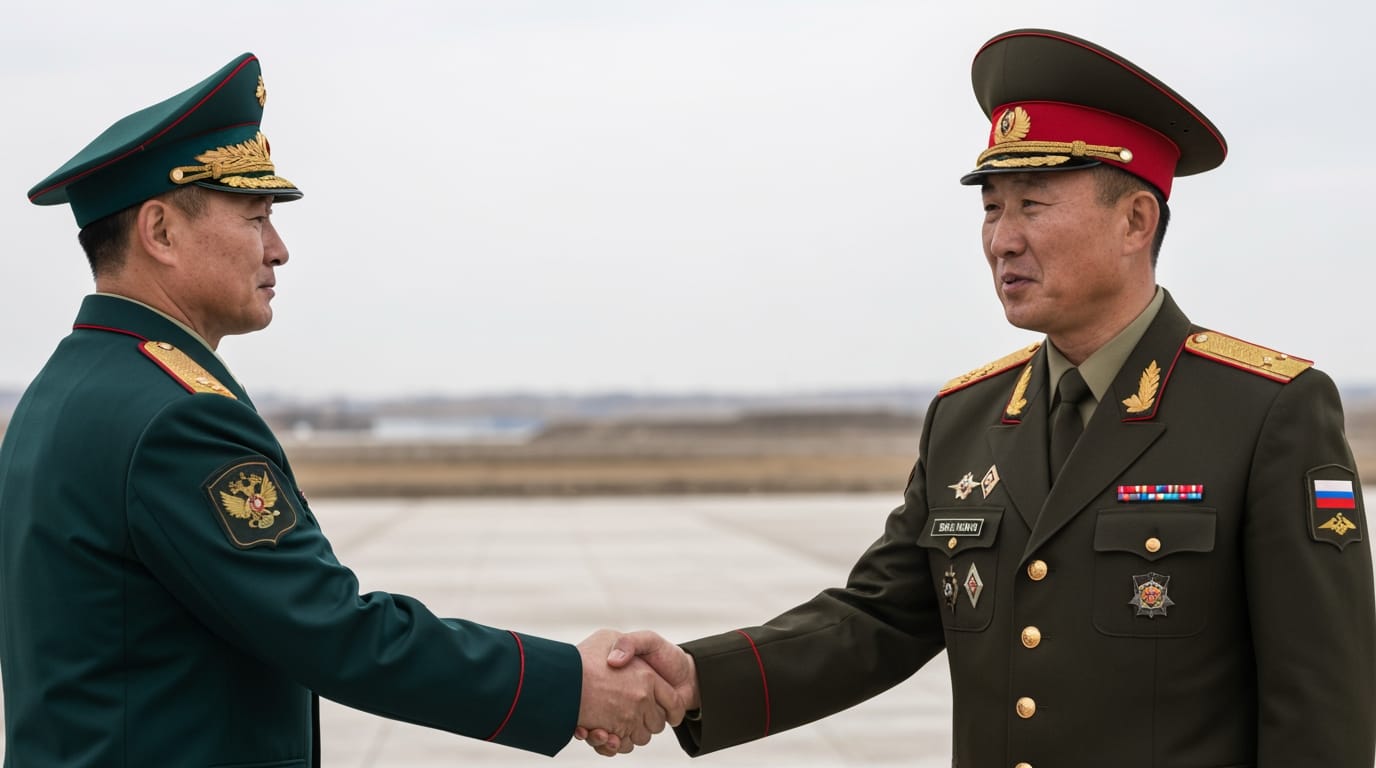
Pyongyang, Democratic People's Republic of Korea – Russia and North Korea have formally committed to a "long-term" military cooperation, announcing plans for a 2027-2031 framework and solidifying a strategic partnership that includes a mutual defense clause. This deepening alliance, underscored by a Comprehensive Strategic Partnership Agreement signed in June 2024, has raised alarms across the globe, particularly in Washington, Seoul, and Tokyo, as it reshapes geopolitical dynamics and challenges international security norms.
The recent confirmation by Russia's Ministry of Defense on Sunday signals a significant escalation in ties between the two nations, which have found common ground in their opposition to Western influence and their shared need for military resources. This move follows a series of high-level engagements, including a visit by Russian President Vladimir Putin to Pyongyang in June 2024, during which the foundational treaty was established. The pact obliges both countries to provide immediate military and other assistance if either faces armed aggression, a provision drawing parallels to Cold War-era alliances.
A Partnership Forged in Conflict and Necessity
The burgeoning military cooperation between Moscow and Pyongyang is largely driven by Russia's ongoing war in Ukraine and North Korea's persistent pursuit of military modernization amidst international sanctions. North Korea has reportedly supplied Russia with thousands of artillery shells, missiles, and other war materials, significantly aiding Moscow's military efforts. In exchange, analysts suggest North Korea is receiving crucial economic aid, including food and energy, alongside advanced military technology. This reciprocal arrangement offers Pyongyang a means to circumvent stringent international sanctions and bolster its own defense industrial base.
Moreover, reports have emerged of North Korean soldiers participating directly in the conflict in Ukraine, particularly in Russia's Kursk region. This involvement is providing the Korean People's Army with invaluable combat experience, which Pyongyang is keen to integrate into its military doctrine, including advancements in drone warfare and other modern battlefield tactics. Russian officials have openly praised North Korean soldiers, with Vyacheslav Volodin, the speaker of the Russian parliament, stating that "Korean soldiers fought shoulder to shoulder with our soldiers and officers and liberated Russian land from Ukrainian Nazis."
Undermining Global Non-Proliferation Efforts
A significant concern arising from this strengthened alliance is Russia's increasingly active role in undermining the international sanctions regime against North Korea. Moscow has demonstrated a clear intent to dismantle the UN sanctions framework, culminating in its March 2024 veto of a resolution to renew the mandate of the UN Panel of Experts, which monitored North Korea's compliance with sanctions. This move effectively abolished the independent monitoring mechanism, leaving a critical gap in international oversight of Pyongyang's illicit activities.
Experts and international bodies worry that Russia's disregard for non-proliferation norms could embolden North Korea to further advance its nuclear and missile programs. The Comprehensive Strategic Partnership Agreement reportedly opens avenues for Russian assistance to North Korea's nuclear energy and space programs. There are concerns about the potential transfer of advanced Russian technology, including those related to nuclear submarines, ballistic missiles, and satellite capabilities, which could significantly enhance North Korea's ability to develop a sophisticated nuclear arsenal capable of reaching distant targets.
Regional and International Repercussions
The deepening military cooperation between Russia and North Korea has drawn strong condemnation and concern from the international community. The United States, South Korea, and Japan have issued joint statements expressing grave concern over the implications for regional and global stability. South Korean President Yoon Suk Yeol condemned the deployment of North Korean troops to Russia as a "provocation that threatens global security," and Seoul has indicated it may reconsider its policy of not directly arming Ukraine.
Japan has also voiced significant apprehension, highlighting that such collaboration could adversely affect the security environment in Asia. NATO Secretary General Mark Rutte has warned that increased military cooperation between North Korea and Russia destabilizes the war in Ukraine and endangers security in both the Indo-Pacific and Euro-Atlantic areas.
While the alliance is presented by Moscow and Pyongyang as "peaceful and defensive" in nature, critics view it as a challenge to the existing world order and an attempt to form a united front against the United States and its allies. China, a traditional ally of North Korea, has also shown signs of unease, with its foreign minister attending a ceremony in Moscow to unveil a plaque commemorating Kim Il Sung's first visit to the Soviet Union in 1949, reflecting a nuanced position amidst the shifting geopolitical landscape.
North Korea's Modernization Drive
The military exchange provides North Korea with an unprecedented opportunity to accelerate its military modernization efforts. Beyond direct military aid, North Korea is leveraging this partnership to enhance its domestic defense industry, including the production of munitions, shipbuilding, and the development of advanced technologies like AI-powered drones and satellite launching capabilities. The country's leader, Kim Jong Un, has reportedly tasked North Korean shipbuilders with delivering guided missile destroyers and is actively expanding facilities for uranium enrichment, indicating a sustained effort to build a modern, formidable military.
Conclusion: A New Era of Geopolitical Alignment
The formalization of long-term military cooperation between Russia and North Korea marks a pivotal moment in international relations. It signifies a profound recalibration of alliances, driven by strategic necessities and a shared defiance of Western-led global governance. While offering immediate benefits to both nations in their respective geopolitical struggles, this strengthened partnership poses considerable risks to regional stability and global non-proliferation efforts. The international community faces the daunting task of navigating this new era of alignment, with profound implications for the future of security in both Europe and Asia. The agreed-upon cooperation plan for 2027-2031 ensures that this strategic bond will endure, necessitating a robust and coordinated international response to mitigate its destabilizing effects.


