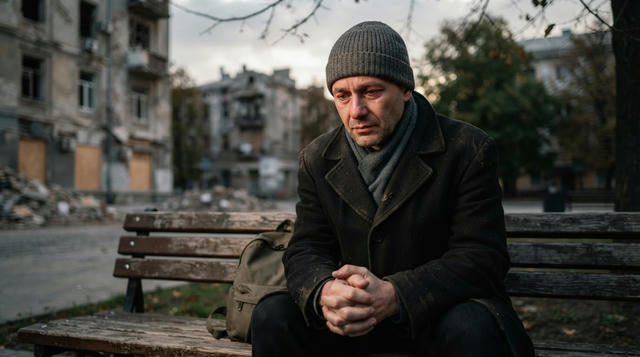
Russia Constructs New Settlements in Occupied Ukraine, Fueling Demographic Shift
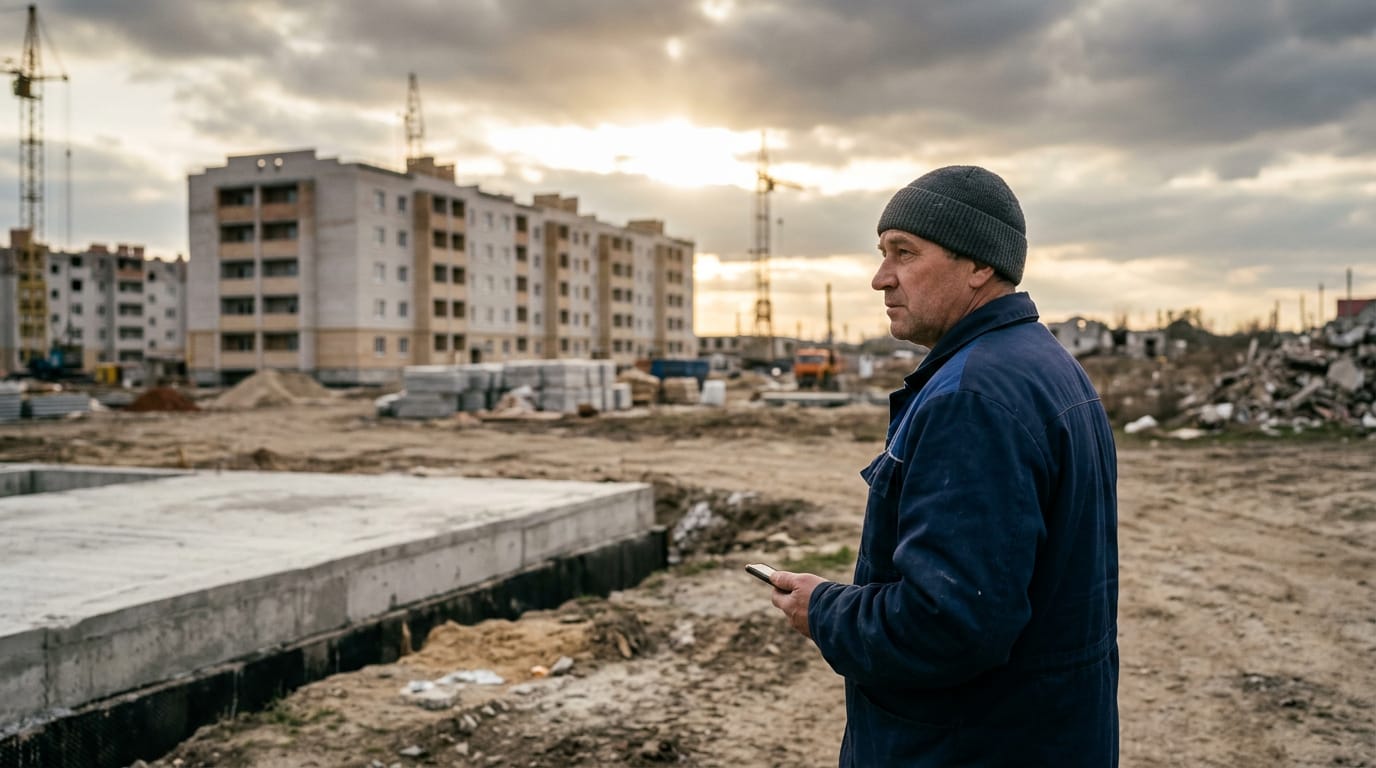
MARIUPOL, Ukraine – In the war-torn regions of eastern and southern Ukraine, where cities like Mariupol bear the deep scars of conflict, Russia is actively engaged in large-scale construction projects, erecting new residential complexes and simultaneously incentivizing its own citizens to relocate to these occupied territories. This policy, widely condemned by Ukraine and international bodies, is perceived as a deliberate strategy to alter the demographic composition of the occupied regions, effectively erasing Ukrainian presence and supplanting it with a Russian population. The rapid development is occurring in areas that witnessed immense destruction and loss of life, turning former Ukrainian communities into sites for new Russian settlements.
The Rebuilding of Devastation: New Foundations on War's Ruins
Following the intense siege of Mariupol in 2022, which left an estimated 90% of its buildings damaged or destroyed and resulted in tens of thousands of civilian deaths, the city has become a focal point for Russian "reconstruction" efforts. New apartment buildings are rapidly emerging from the rubble, often on the very foundations of homes obliterated by Russian bombardment. These developments extend beyond Mariupol, reaching across occupied parts of the Donetsk, Luhansk, Zaporizhzhia, and Kherson oblasts. While Russian authorities present these projects as humanitarian rebuilding, Ukrainian officials and international observers view them as a calculated attempt at demographic engineering.
The scale of destruction in cities like Mariupol is immense, with human rights organizations documenting thousands of excess deaths and Ukrainian officials estimating significantly higher tolls during the 86-day siege. The subsequent construction by Russia on these devastated sites highlights a stark contrast between the displaced Ukrainian population, who often lack housing, and the new Russian residents moving into the freshly built apartments.
Incentivizing Relocation: A Policy of Demographic Change
Russia is employing a multi-faceted approach to attract its citizens to these newly built or seized properties in occupied Ukrainian territories. Key incentives include heavily subsidized mortgages, often unavailable in Russia proper, which make homeownership in these areas particularly attractive. For Russian state employees and military personnel, the benefits are even more significant, including high salaries (up to eight times the average Russian salary for officials), housing rental compensation, and various job opportunities tied to the so-called "reconstruction" efforts.
This policy aims to fill the demographic void created by the war and the forced displacement or death of hundreds of thousands of Ukrainians. Ukrainian intelligence reports indicate a significant decline in the population of the Donbas region, with projections suggesting a decrease of nearly a third. Russian authorities reportedly plan to resettle nearly 114,000 Russians in occupied Ukrainian territories over the next two decades, with an estimated 200,000 to 300,000 ethnic Russians already residing in occupied Crimea and Sevastopol. This systematic campaign is described by Ukrainian intelligence as "ethnocide," aimed at erasing Ukrainian identity and replacing it with a Russian presence.
The Displaced and Dispossessed: Ukrainians Left Homeless
While new Russian residents are encouraged to settle, the original Ukrainian inhabitants of these occupied regions face a dramatically different reality. Many have been forcibly deported to Russia or other separatist-controlled territories, or have fled the conflict, becoming internally displaced persons or refugees. Their homes, often damaged or destroyed, are then subjected to Russian appropriation. Russian authorities frequently invoke "laws" on "abandoned property" or stringent re-registration requirements under Russian rules to seize Ukrainian homes, effectively nationalizing them.
For example, in the occupied Kherson region, invaders have prepared to "nationalize" over a thousand residential buildings under the pretext that owners failed to re-register their property according to Russian mandates. This systematic seizure of private property constitutes a large-scale illegal appropriation and may amount to war crimes, as emphasized by the Ukrainian Commissioner for Human Rights. Former Mariupol residents, many of whom are now homeless, report not receiving promised housing and are forced to rent, while the new apartments are purchased by Russian citizens.
International Condemnation and Legal Ramifications
The establishment of new Russian settlements and the associated demographic changes in occupied Ukrainian territories are widely viewed by the international community as flagrant violations of international law. Specifically, these actions contravene the Fourth Geneva Convention, which prohibits an occupying power from transferring parts of its own civilian population into the territory it occupies. Such transfers are recognized as war crimes under the Rome Statute of the International Criminal Court.
International organizations and numerous countries have condemned Russia's annexation of Ukrainian territories, underscoring that these illegal acts do not alter the territories' status under international law. The deliberate alteration of a city's population as an instrument of political control has historical parallels, such as the Soviet resettlement policies in Narva, Estonia, after World War II, a strategy that demonstrably reshaped the demographic landscape for decades. The ongoing actions in Ukraine represent a continuation of this pattern, seeking to embed Russian control through demographic means.
A Future of Contested Land and Identity
The systematic resettlement of Russian citizens into occupied Ukrainian territories creates a complex and enduring challenge for any future resolution of the conflict. By intentionally altering the demographic landscape, Russia aims to solidify its control and make any reintegration of these territories into Ukraine significantly more difficult. These actions not only represent a profound violation of national sovereignty and international law but also inflict deep and lasting wounds on the cultural and social fabric of Ukraine. The new settlements, built atop the remnants of Ukrainian lives and communities, symbolize a contested future where the very identity of the land remains fiercely disputed.