Russia Seeks Lengthy Prison Terms for Journalists Accused of Navalny Ties
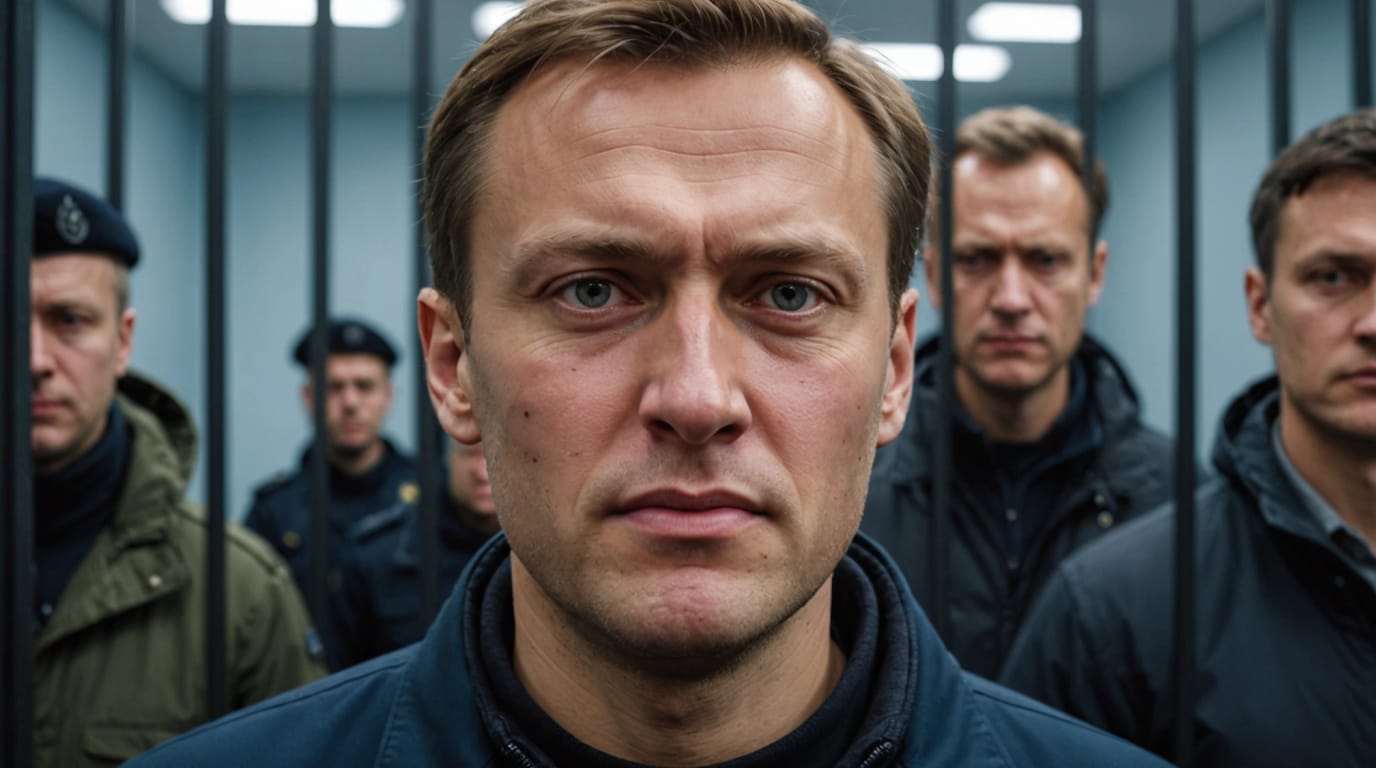
Moscow – Russian prosecutors are seeking prison sentences of nearly six years for four journalists accused of extremism for their alleged ties to the late opposition leader Alexei Navalny. The move is the latest in a series of actions against independent media and perceived critics of the Kremlin, particularly since the start of the war in Ukraine.
The journalists, Antonina Favorskaya, Konstantin Gabov, Sergei Karelin, and Artyom Kriger, were detained in the spring and summer of 2024 and charged with “participating in an extremist community.” The charges stem from their alleged work with Navalny’s Anti-Corruption Foundation (FBK) and the NavalnyLIVE YouTube channel, both of which have been banned in Russia as extremist organizations since 2021.
The prosecution's request, reported by the independent news website Mediazona on Thursday, calls for each journalist to be sentenced to five years and 11 months in prison. The maximum punishment for the charge is six years. Their trial, which opened in October, is being held behind closed doors at the request of prosecutors.
Accusations and Denials
The journalists are accused of collecting material, preparing, and editing videos for Navalny's organizations. However, their employers and colleagues have vehemently denied these accusations. SOTAvision, the independent news outlet where Favorskaya and Kriger worked, has repeatedly stated that neither journalist ever worked for Navalny's organizations. The journalists themselves deny the charges, maintaining that they were simply reporting on Navalny's activities independently.
Favorskaya, a photographer, had been covering Navalny's court hearings for two years and filmed the last known video of the Kremlin critic before his death in an Arctic penal colony in February 2024. Gabov has worked for several news agencies including Reuters and the German state broadcaster Deutsche Welle (DW). Karelin has worked with the Associated Press (AP).
Silencing Dissent
The case against the journalists is widely seen as part of a broader crackdown on dissent and independent media in Russia. Since the start of the war in Ukraine, the Russian government has intensified its efforts to control the flow of information and suppress any criticism of its actions. This has included the banning of independent news outlets, the labeling of journalists and activists as "foreign agents," and the prosecution of individuals for spreading "false information" about the Russian military.
Navalny, who was President Vladimir Putin's most prominent political opponent, died in prison in unclear circumstances while serving a 19-year sentence on extremism charges. His death sparked widespread condemnation from Western governments and human rights organizations, who accused the Russian government of being responsible.
International Condemnation
The detention and prosecution of the journalists have drawn strong condemnation from international media organizations and human rights groups. They argue that the charges are politically motivated and that the journalists are being targeted for their independent reporting.
Reporters Without Borders has called for the immediate release of the journalists and has condemned the Russian government's crackdown on media freedom. The Committee to Protect Journalists has also expressed concern about the case and has urged the Russian authorities to ensure that the journalists are treated fairly and that their rights are respected.
A Chilling Effect
The case is likely to have a chilling effect on independent journalism in Russia, further limiting the space for critical reporting and dissenting voices. Many journalists have already left the country, fearing for their safety and security. Those who remain face increasing pressure and risk of prosecution.
The closed-door trial and the severity of the requested sentences send a clear message that the Russian government is determined to silence any criticism and to control the narrative surrounding its actions. The outcome of the trial will be a key indicator of the state of media freedom and human rights in Russia.


